Pergamon (modern-day Bergama)
Pergamon is somewhere I’ve been wanting to go since I went to the Pergamon Museum in Berlin a few years back and because it is one of the seven churches in the Book of Revelations. I was really surprised that there were very few visitors.
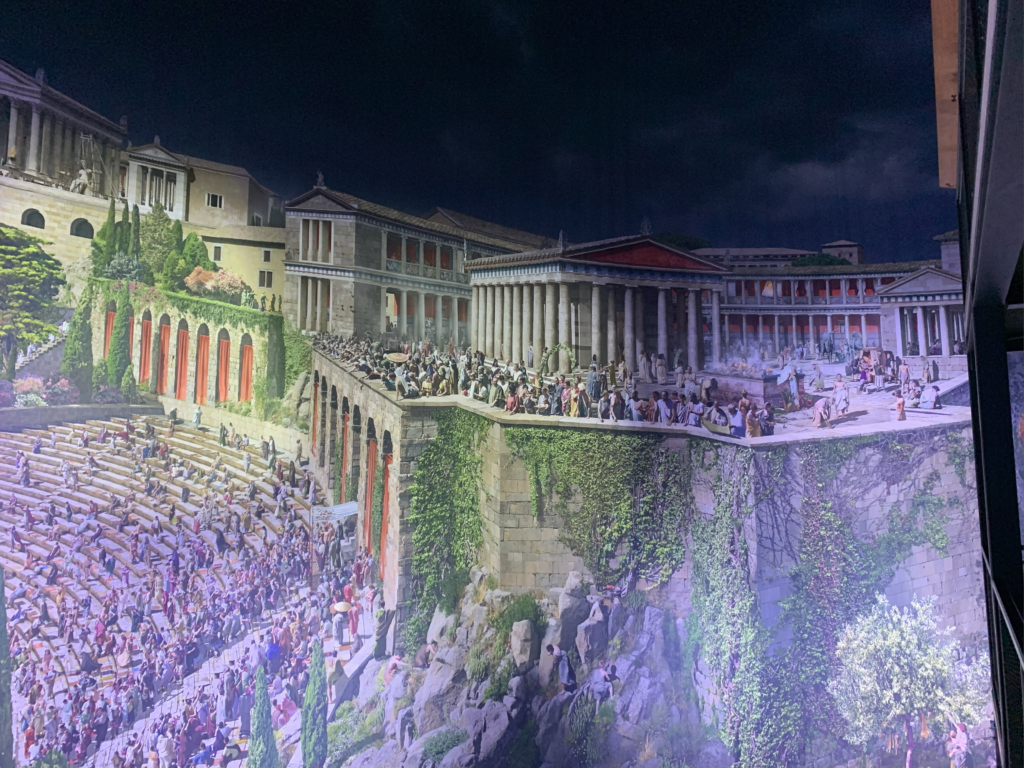
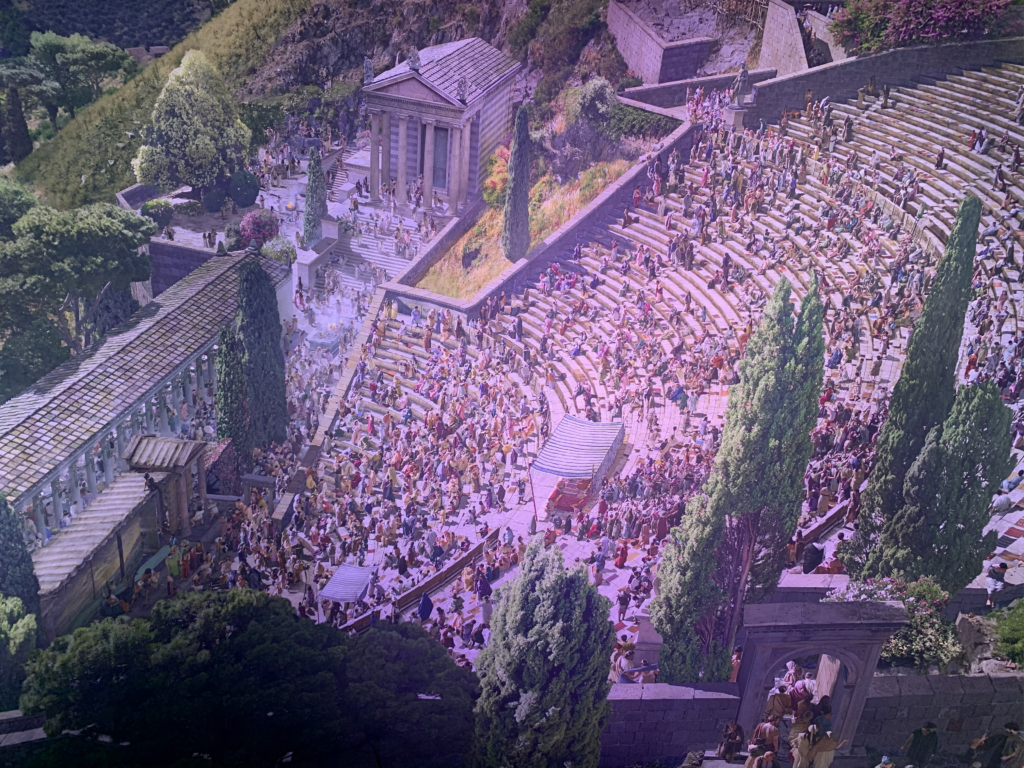
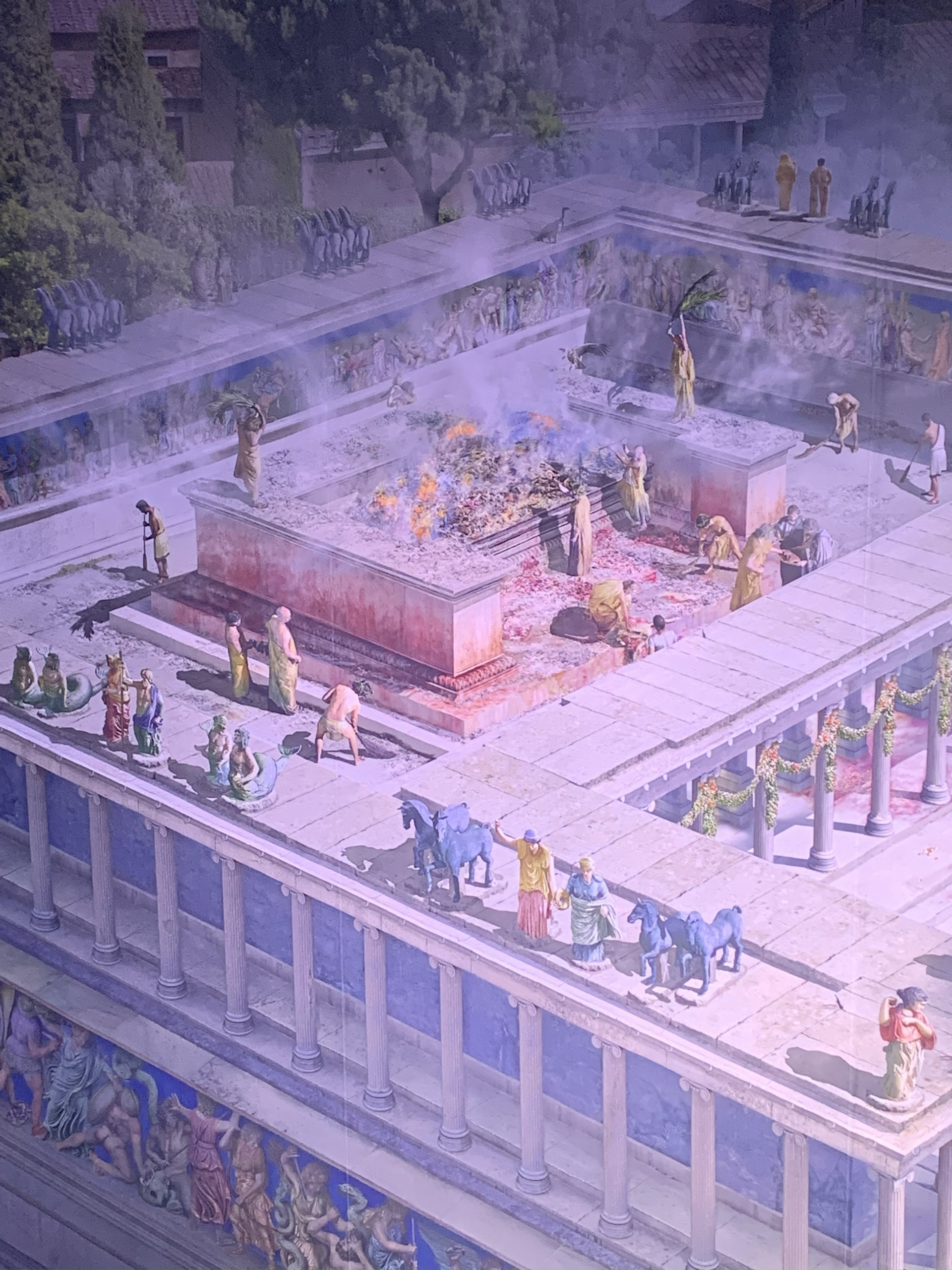
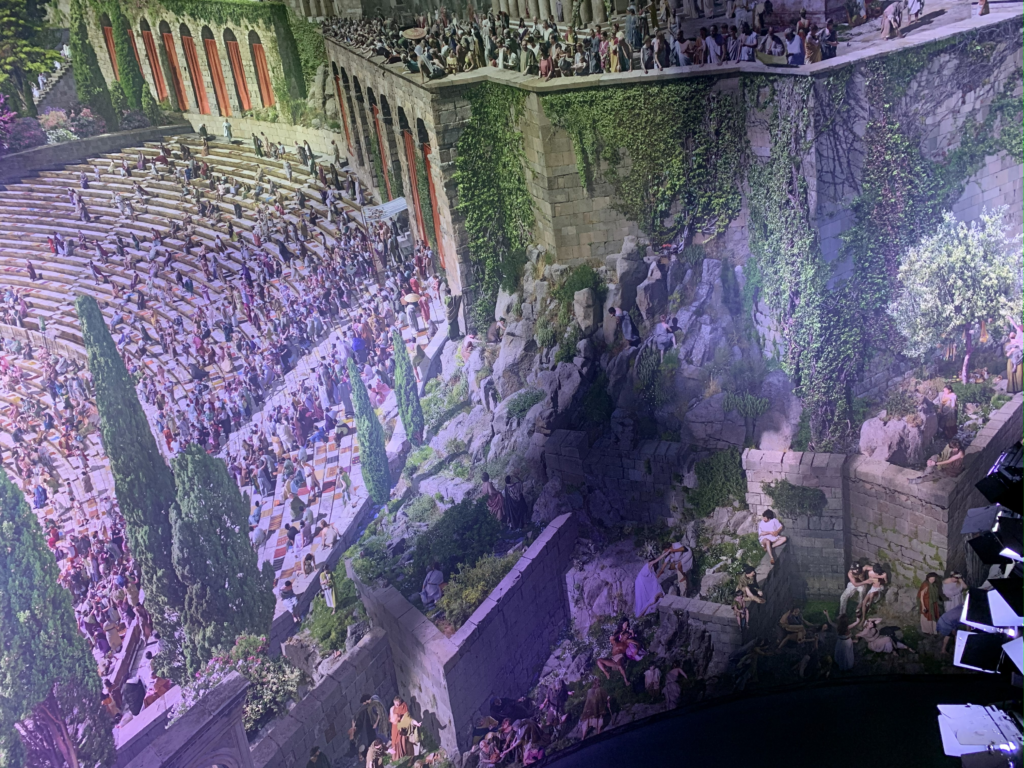
I have a couple of pictures from the museum that I’m going to include also – you’ll know them when you see them. But I was so excited because the pictures in the museum (from a video presented “in the round”, about 30′ tall) depicted Pergamon exactly as it is – the terrain and all.
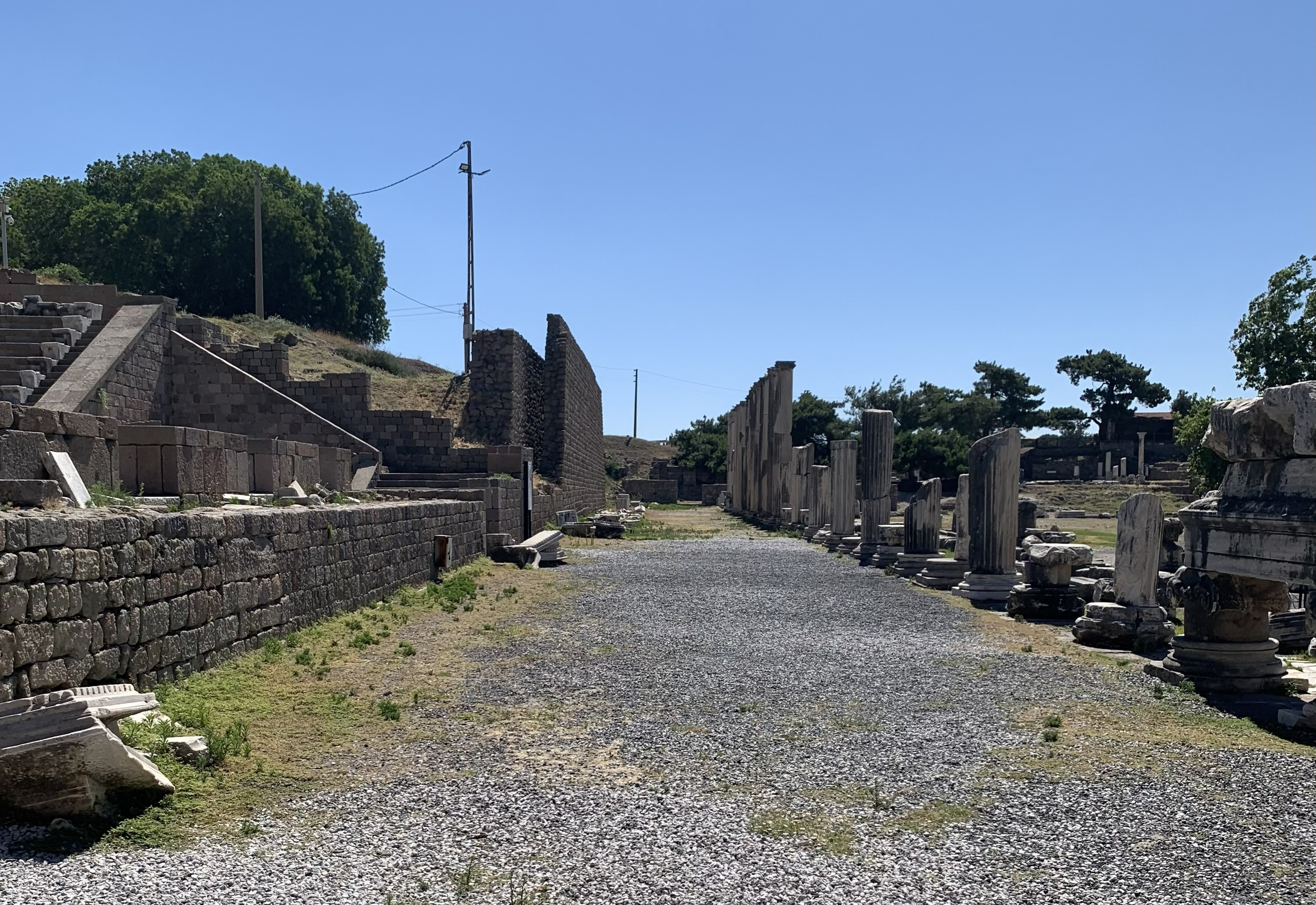
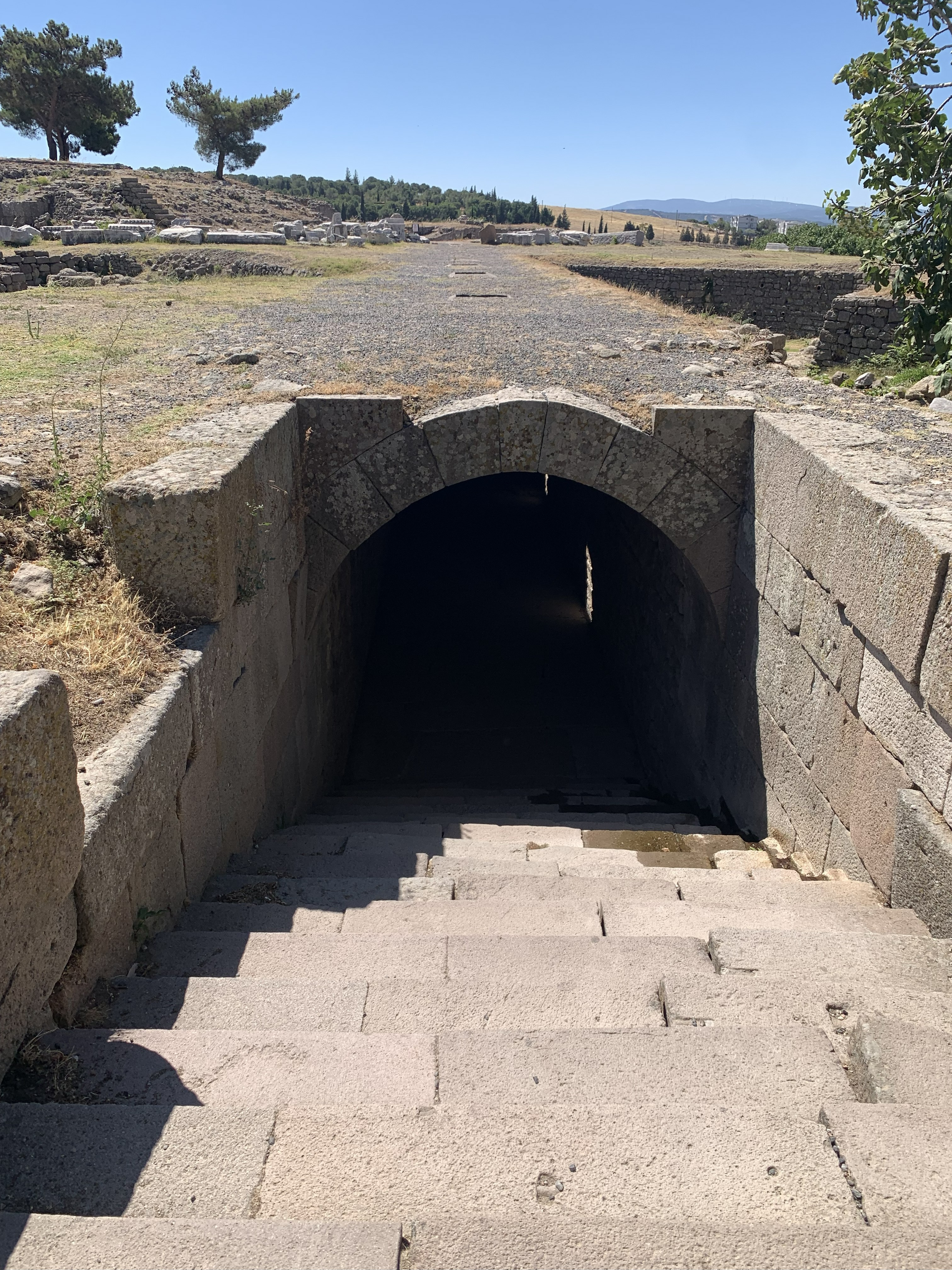
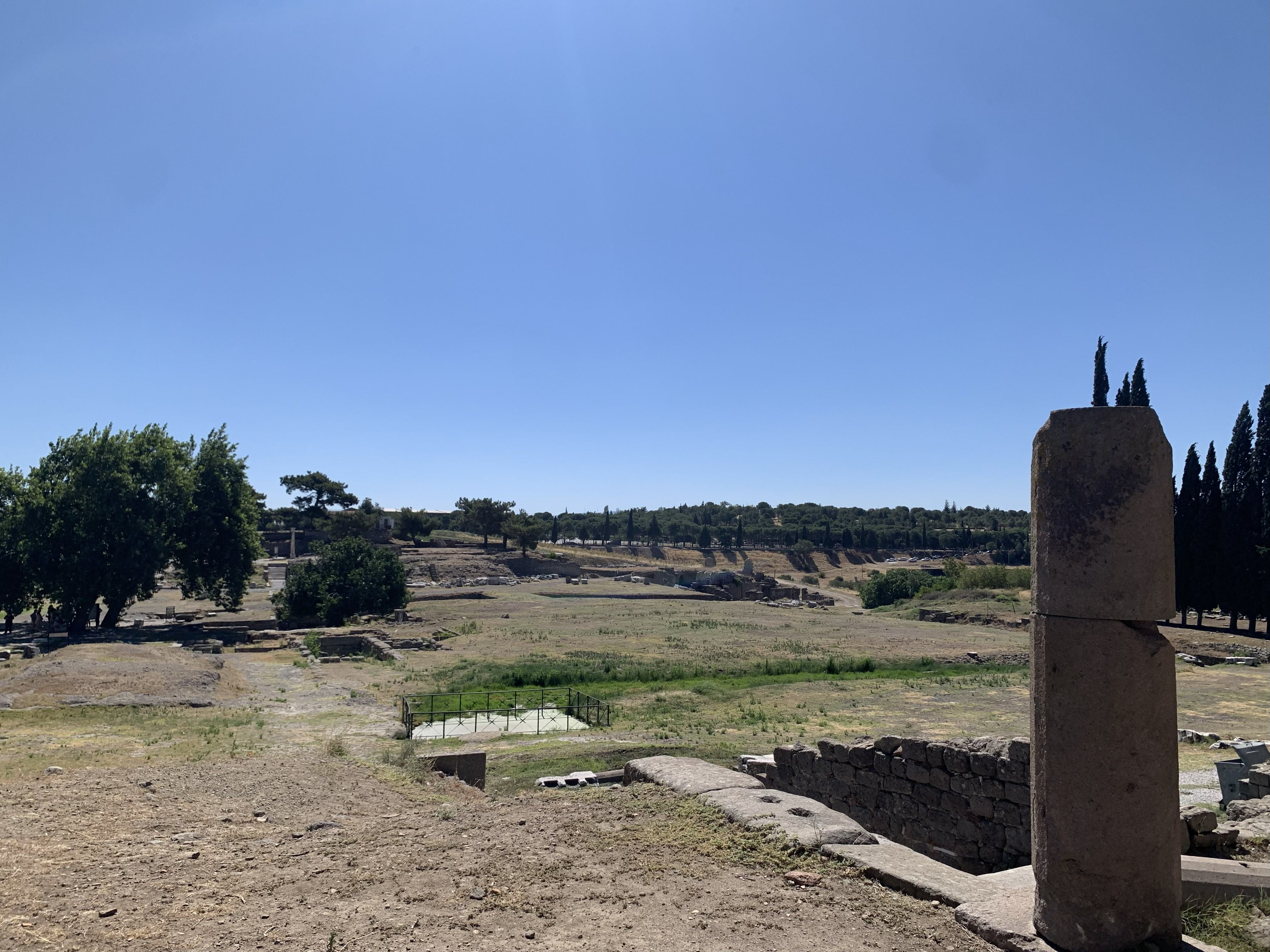
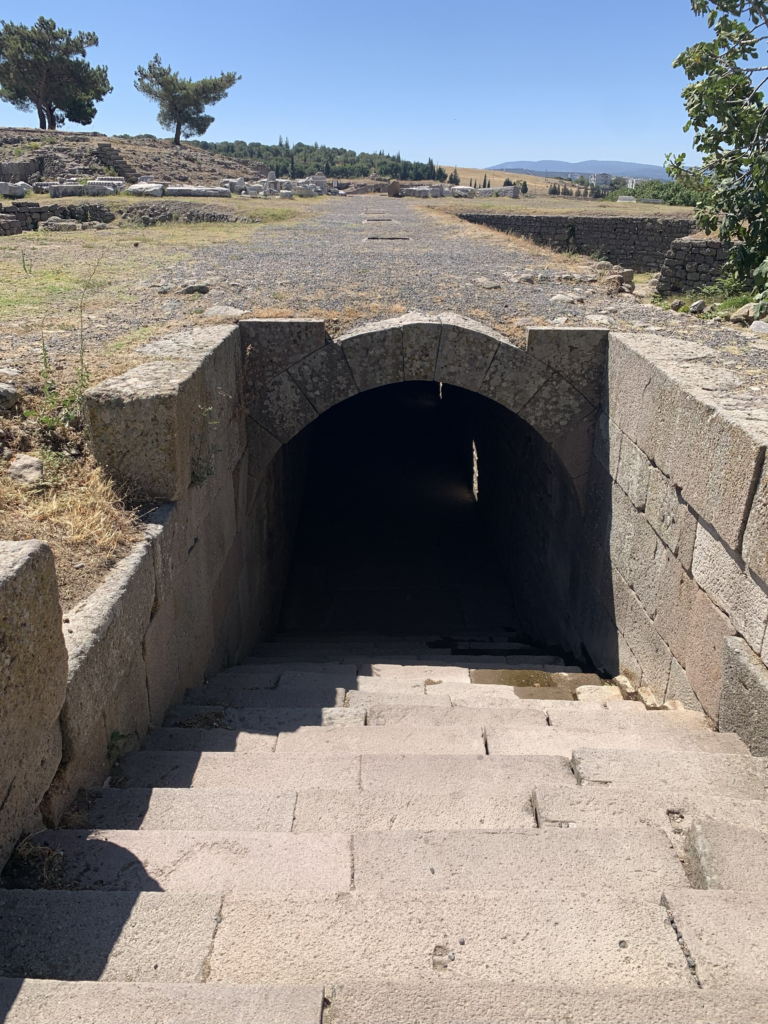
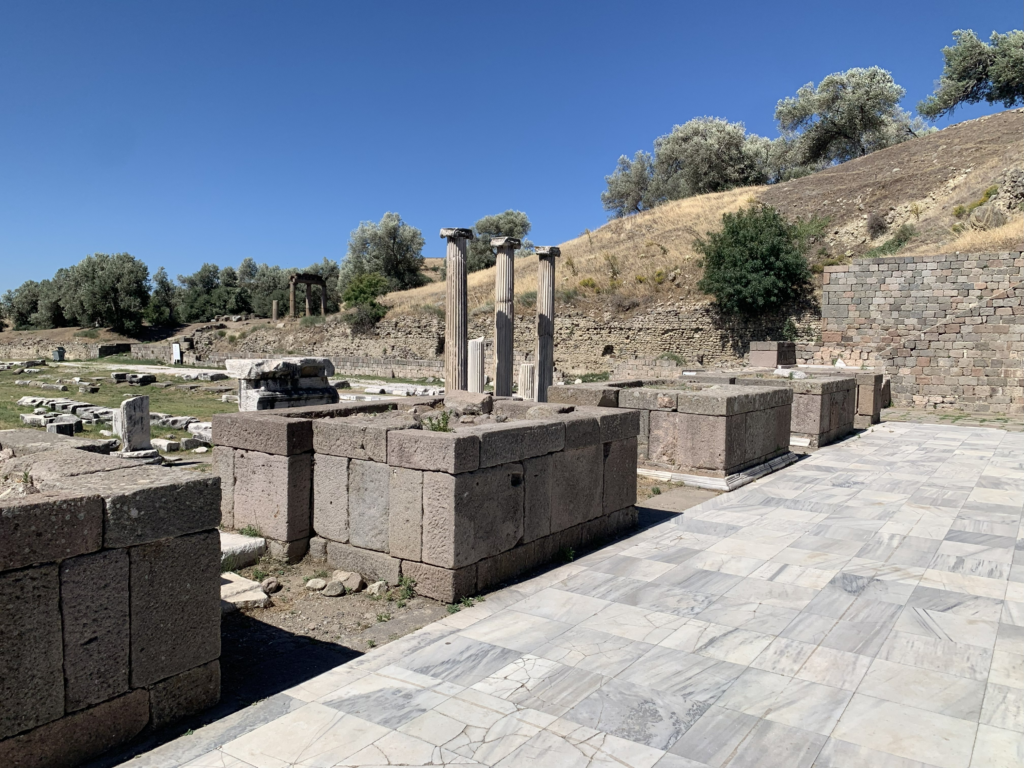
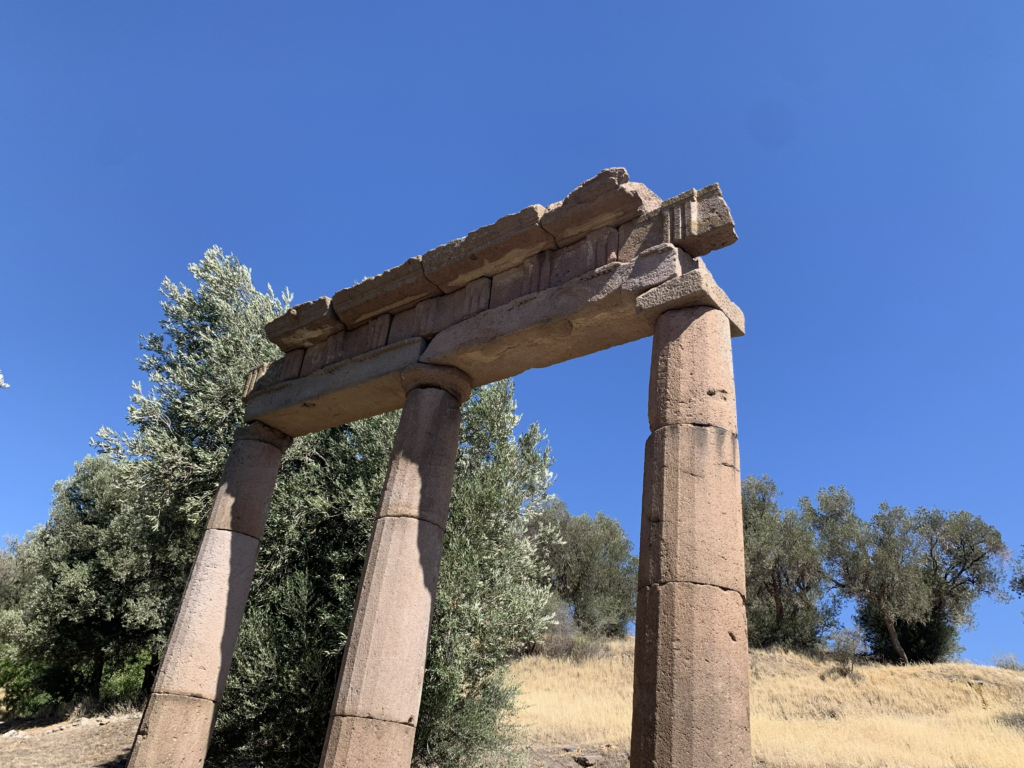
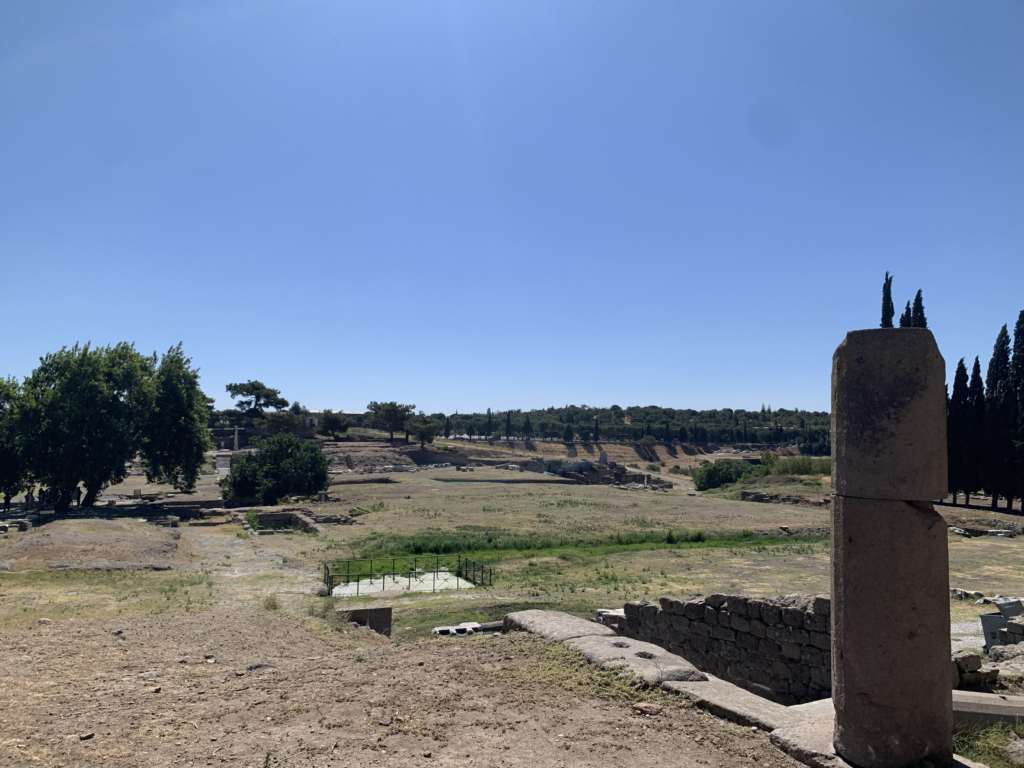
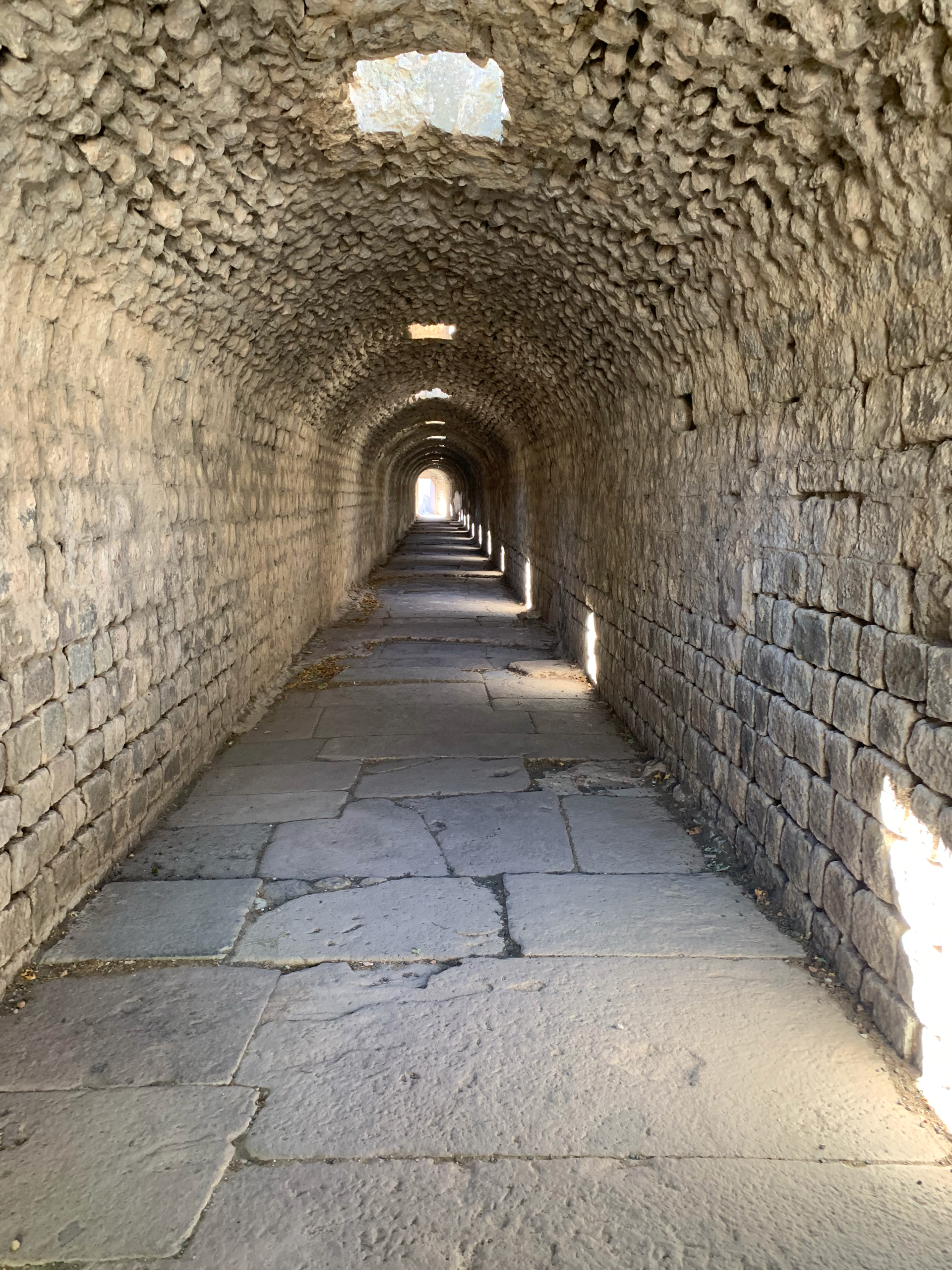
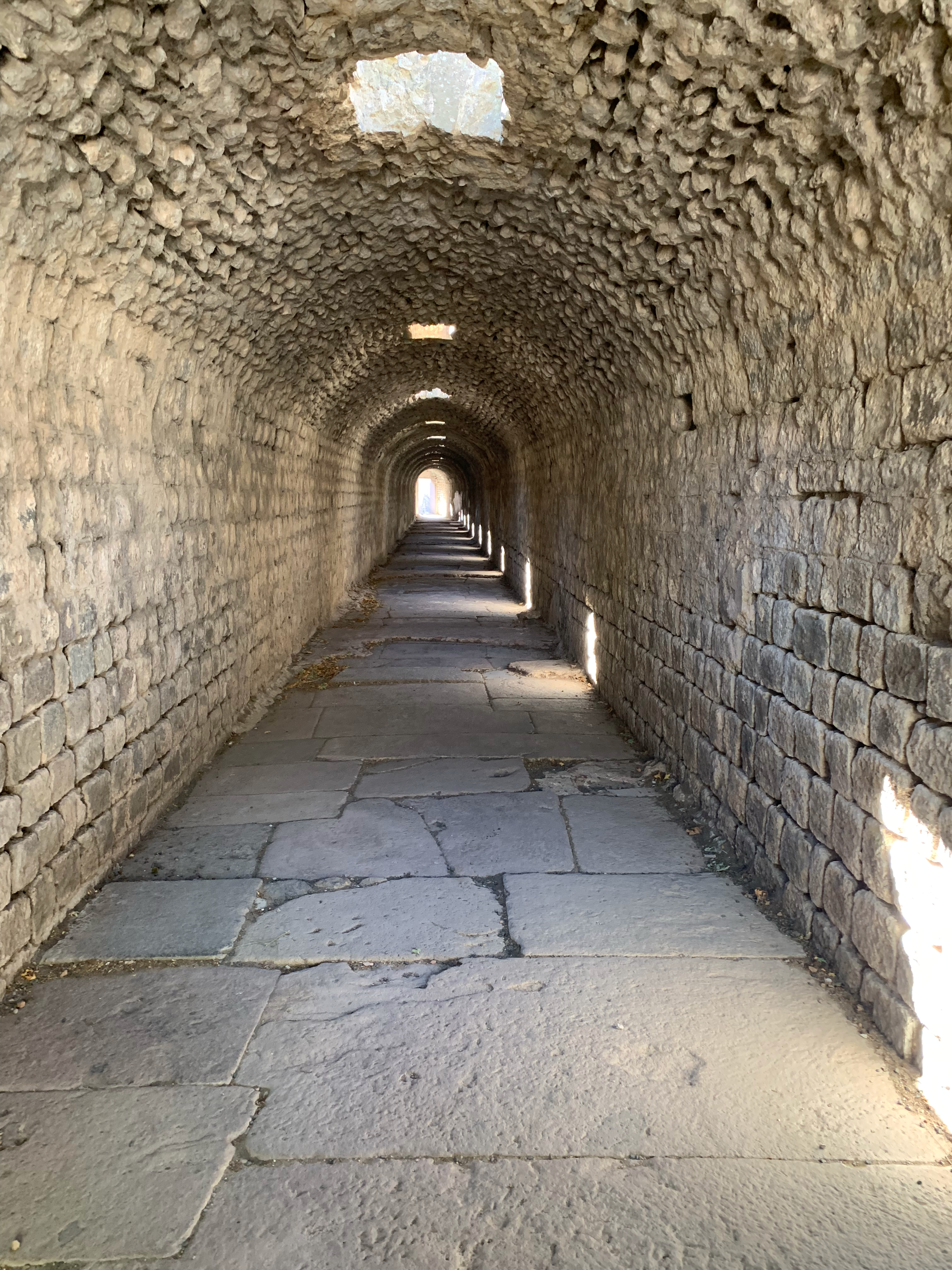
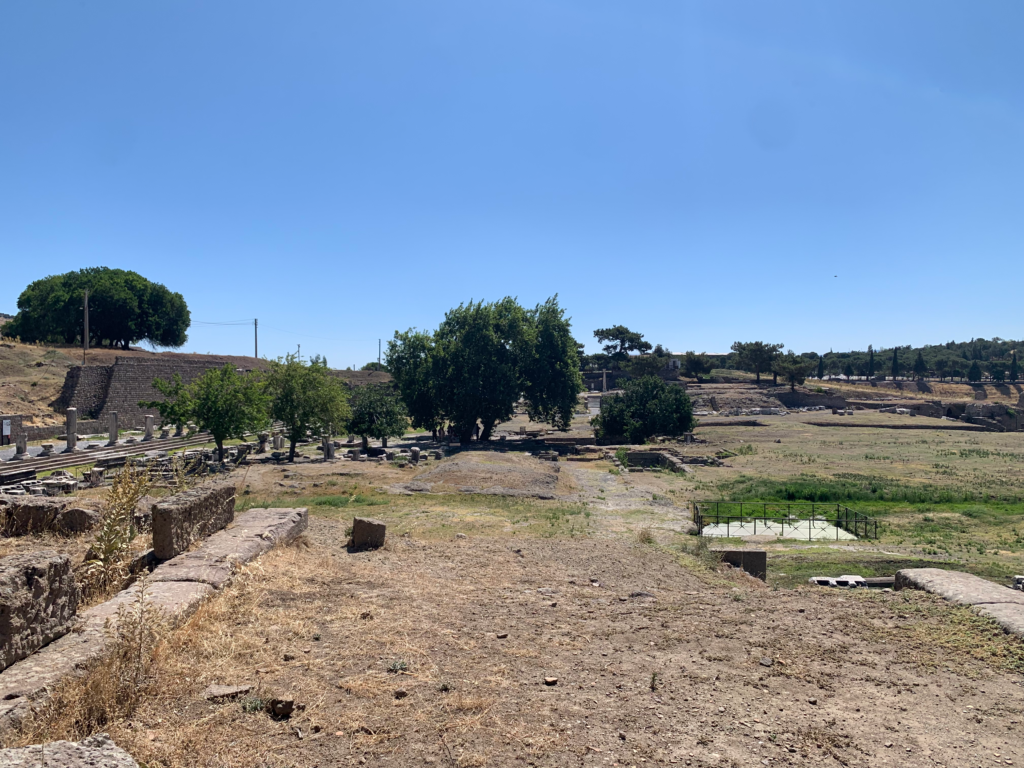
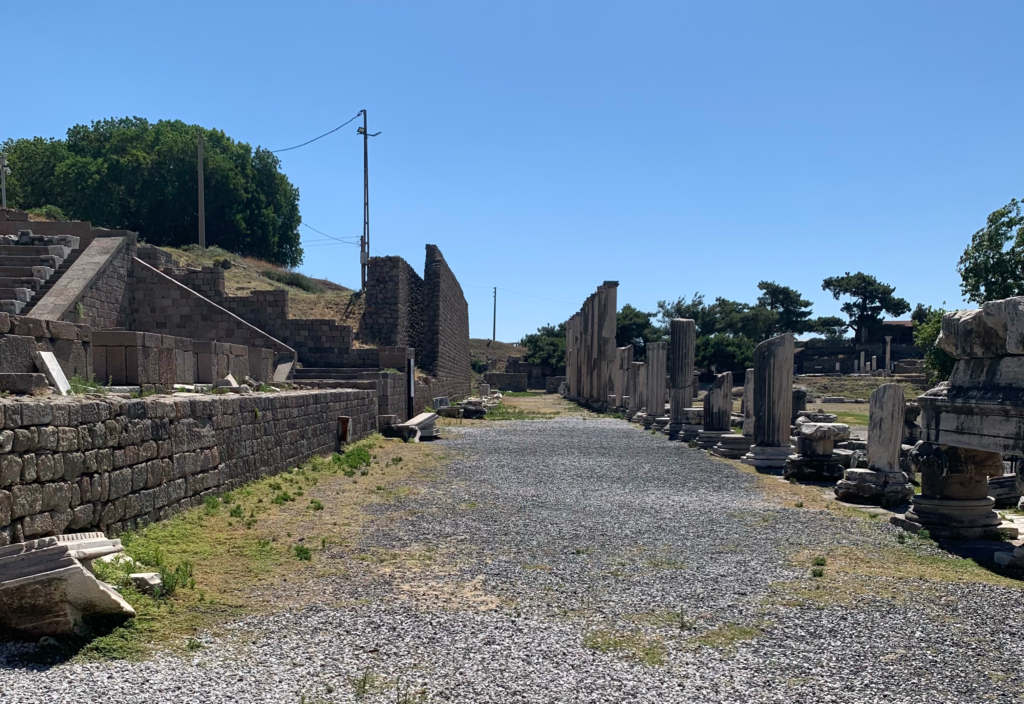
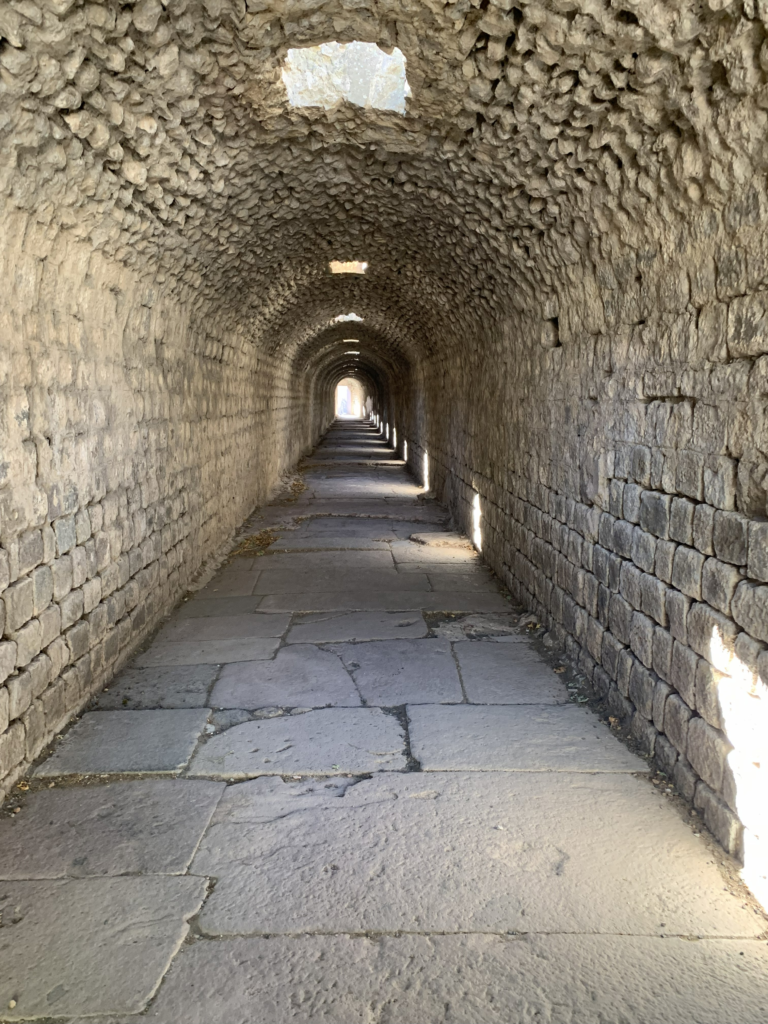
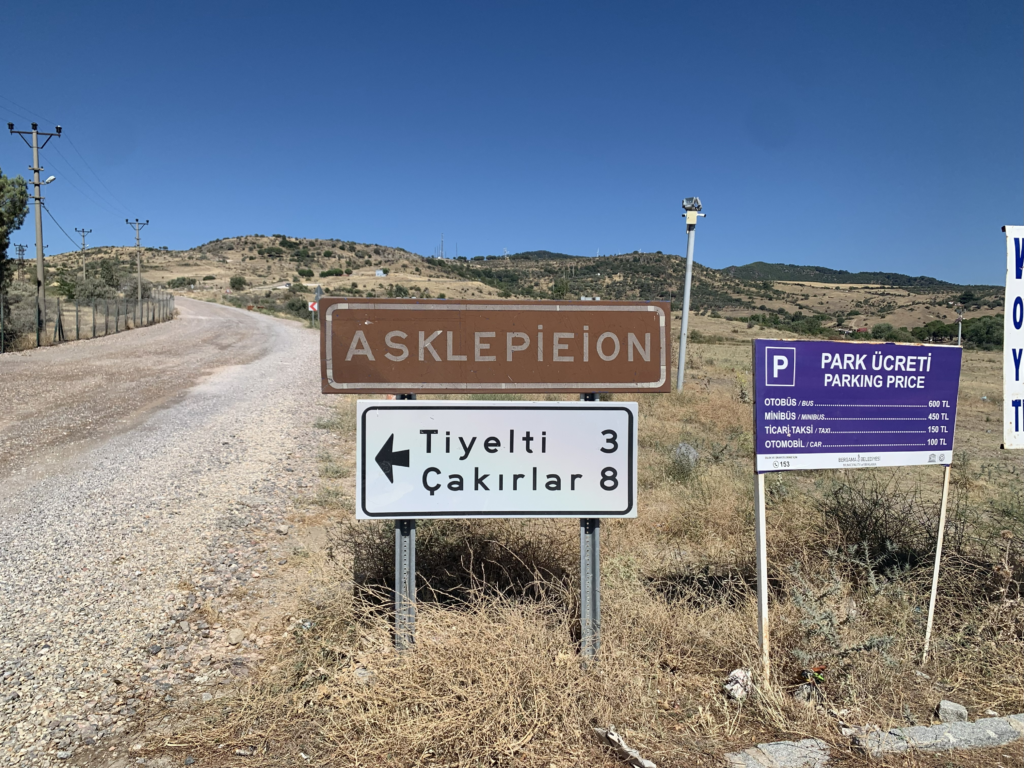
Before getting up to the hill in Pergamon, we visited Asklepion, an ancient healing unit that used psychotherapy to heal people. The people who needed to be healed would be washed with herbs, then washed again, then they’d be given a hallucinatory drug, and they’d go to sleep for the night. But staff would wake them up in the wee hours of the morning and walk them through a tunnel filled with smoke of incense and / or other herbs. As they were walking through the tunnel, the doctors would talk from on top, through the skylights, and tell them they were doing great and they were going to heal just fine. At the end of the tunnel was the dormitory where they would go back to sleep. In the morning, doctors or nurses would talk to them about their sleep from the night before. It healed a lot of people.
This was another outstanding tour provided by GetYourGuide. I recommend them highly. The tour guides have gone to college to be a tour guide. They’re up on history, archaeology, extra languages, and other background that makes them super guides!! And they’re passionate about showing you their country. Try them out! You won’t be disappointed.
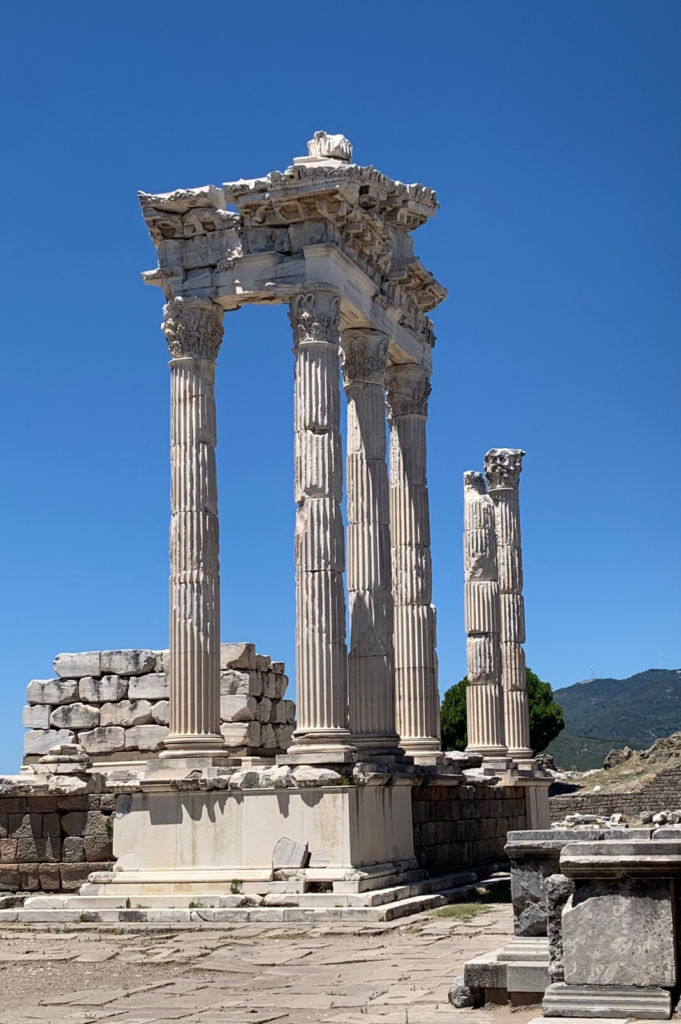
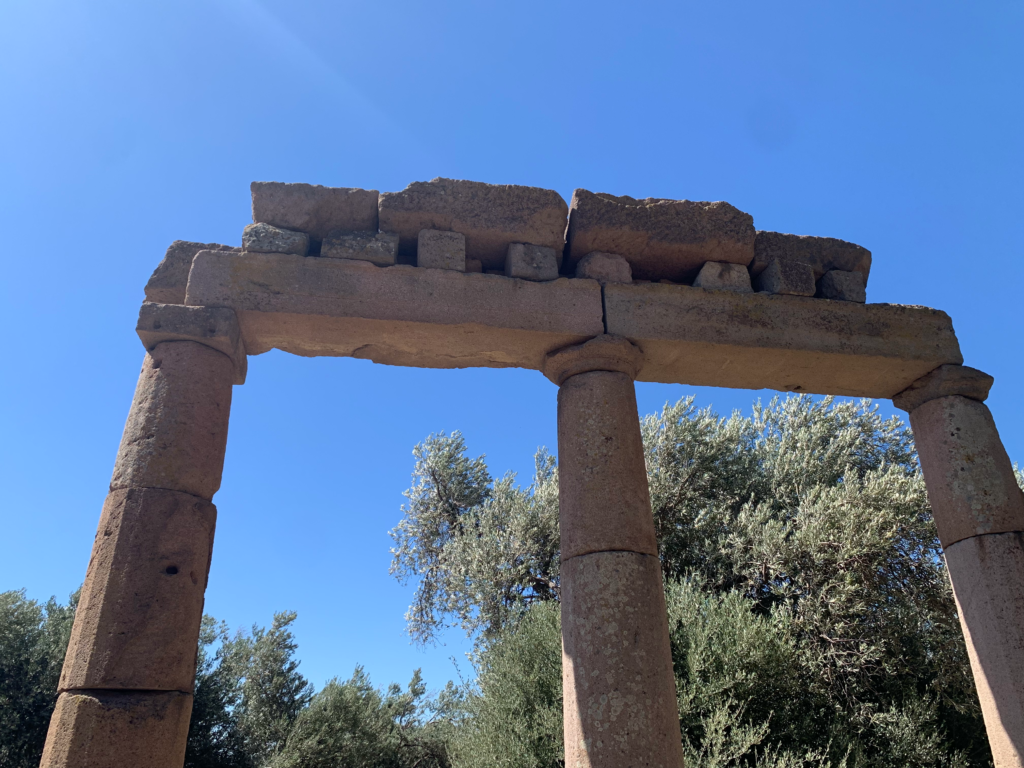
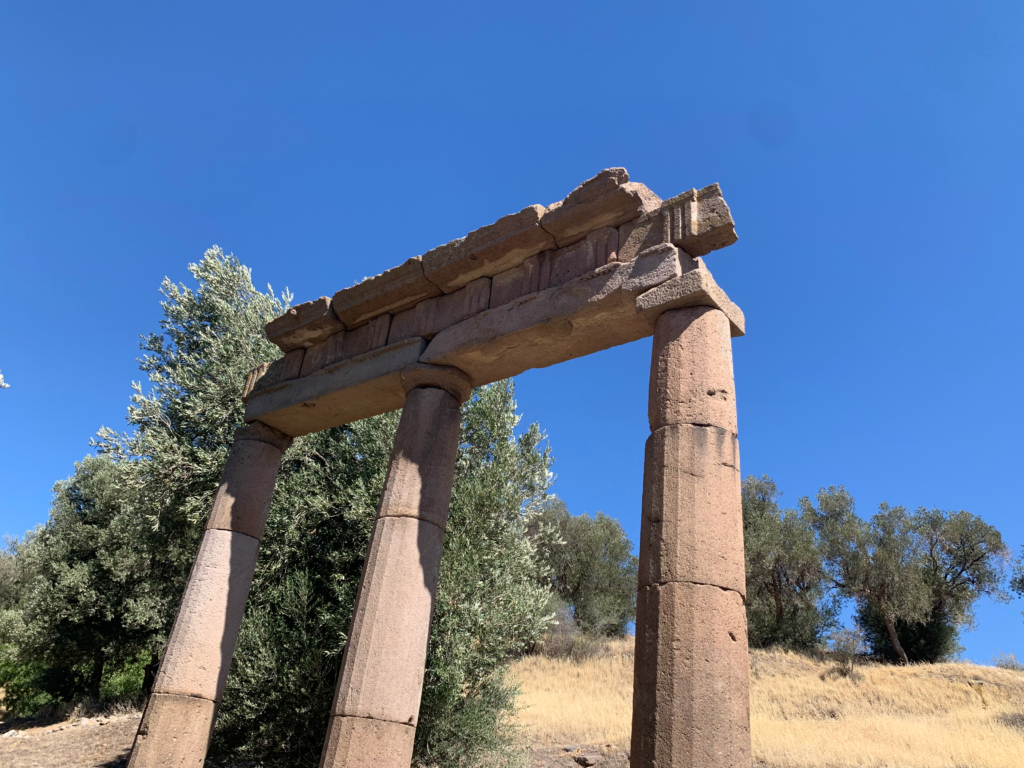
Check out my photos of Pergamon and Asklepion (more captions coming soon!!)
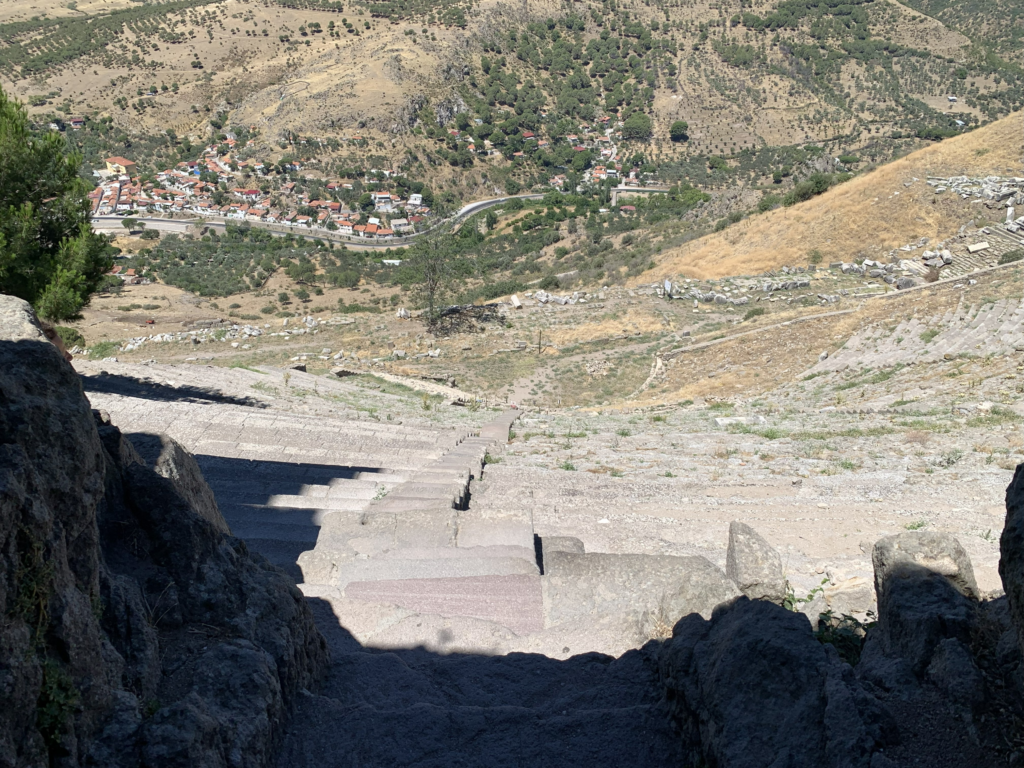
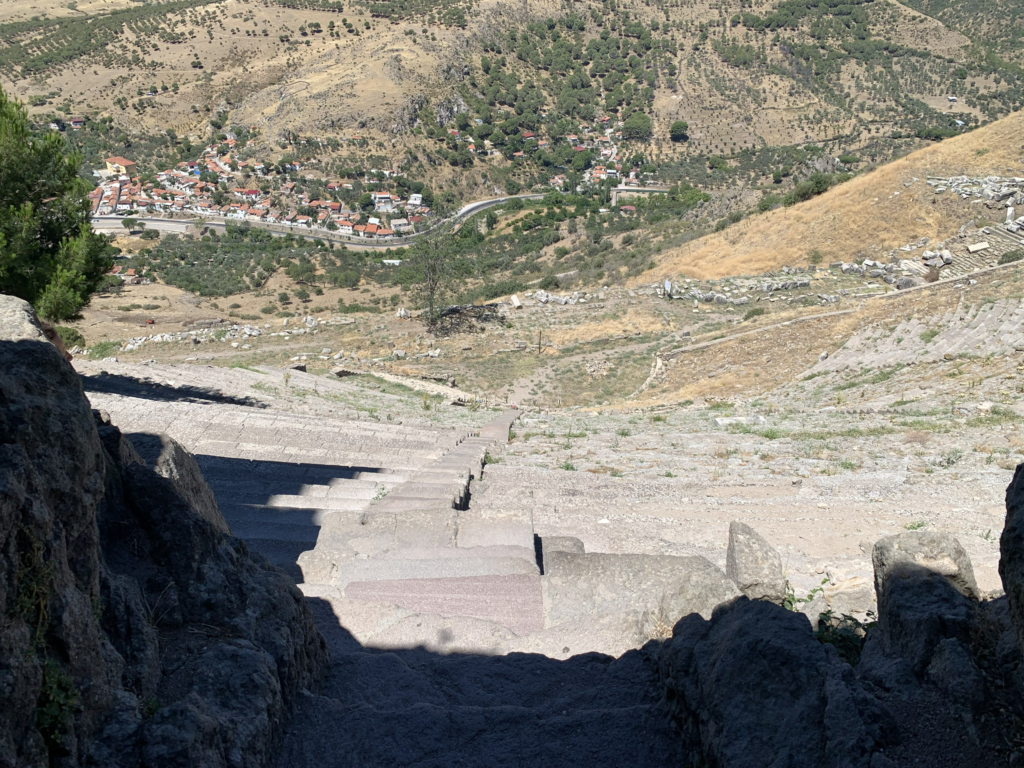
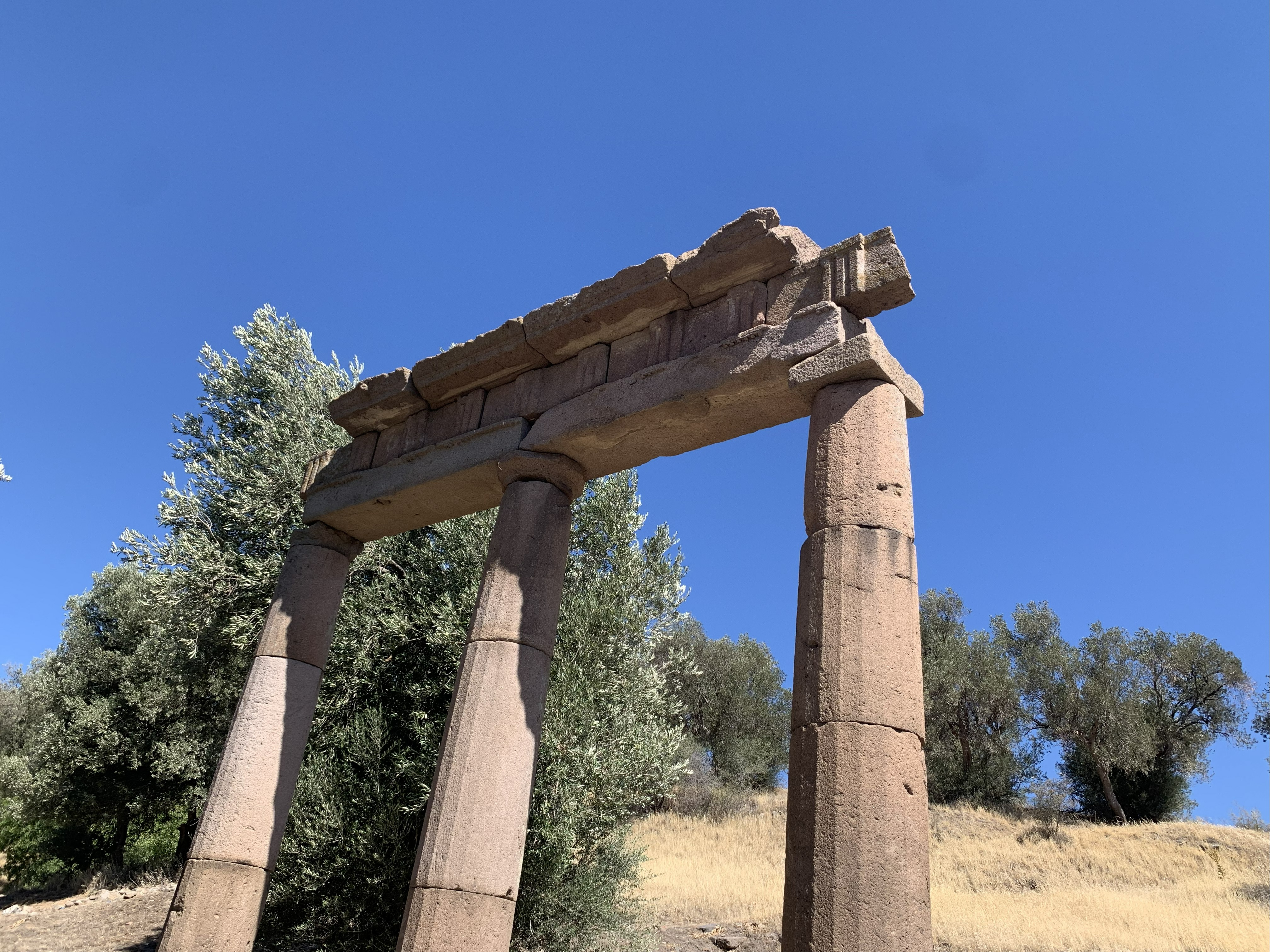
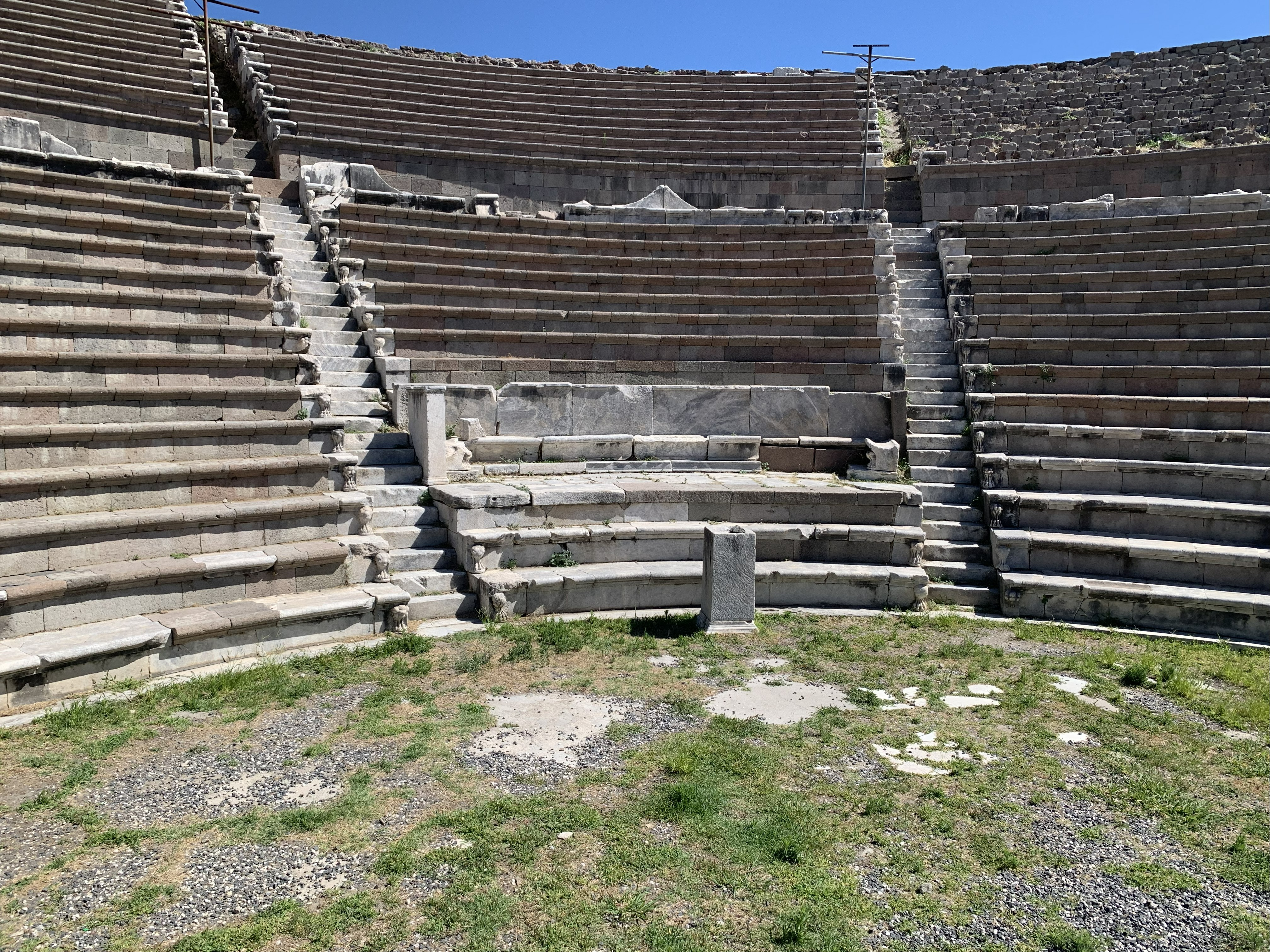
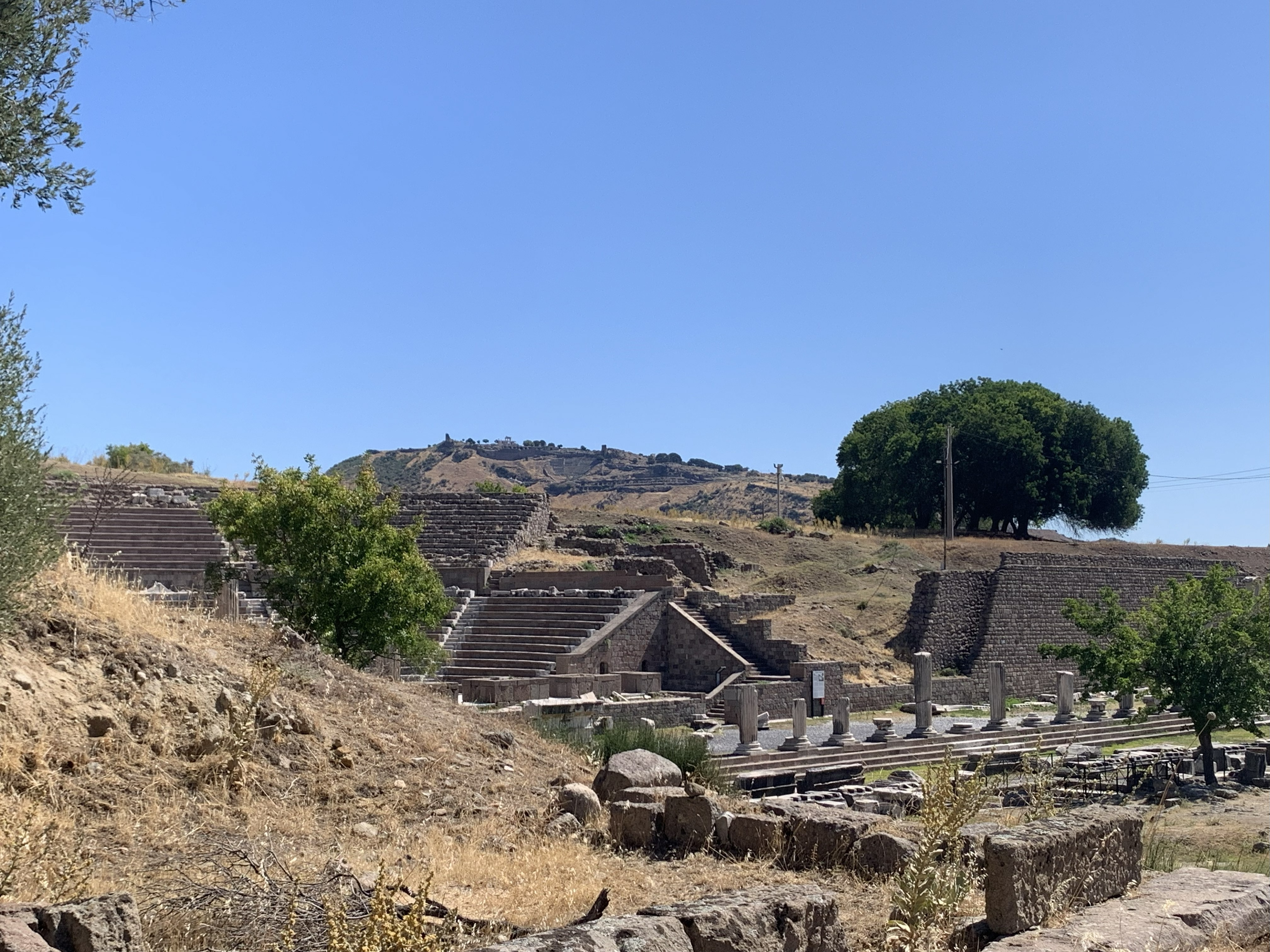
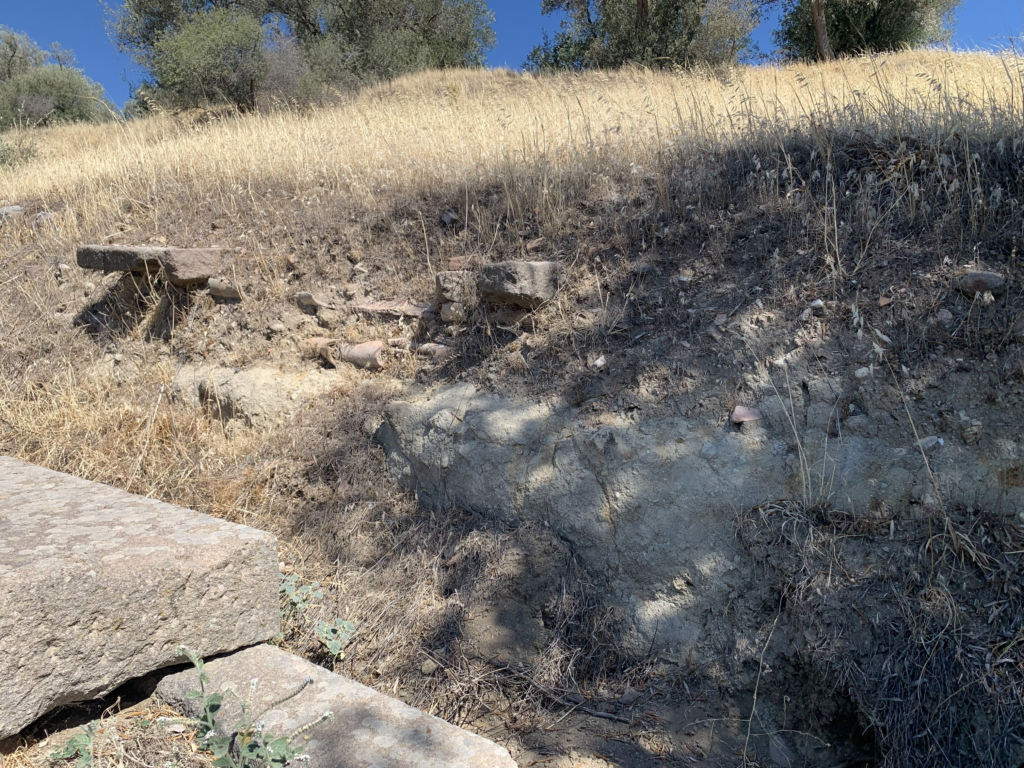
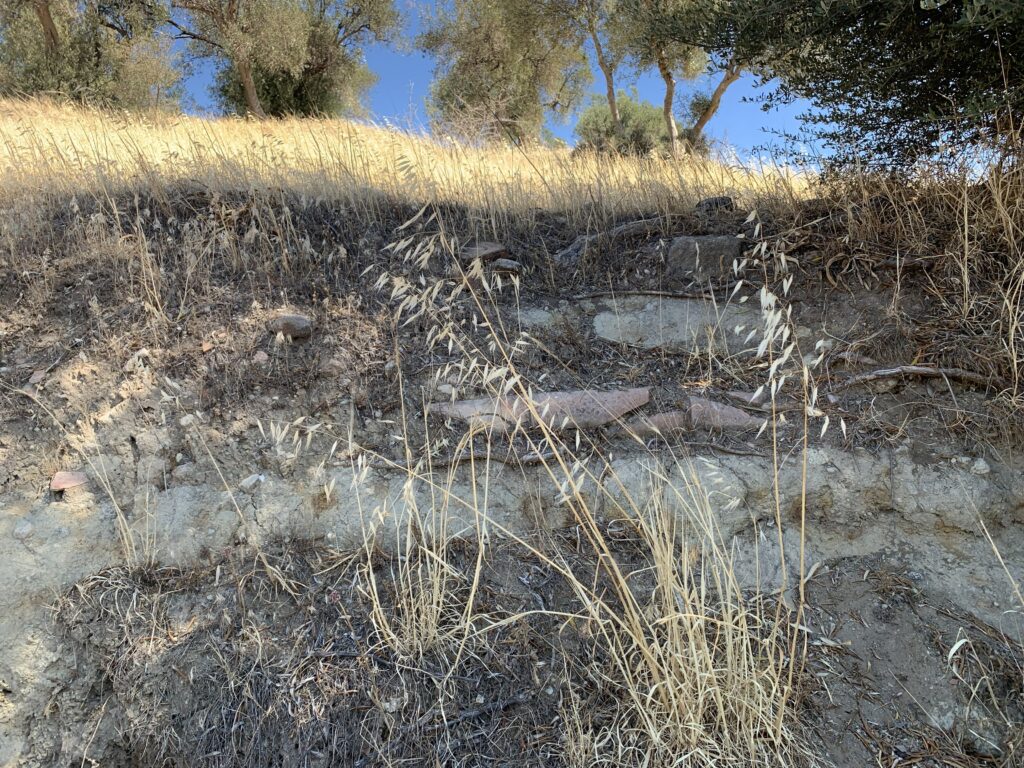
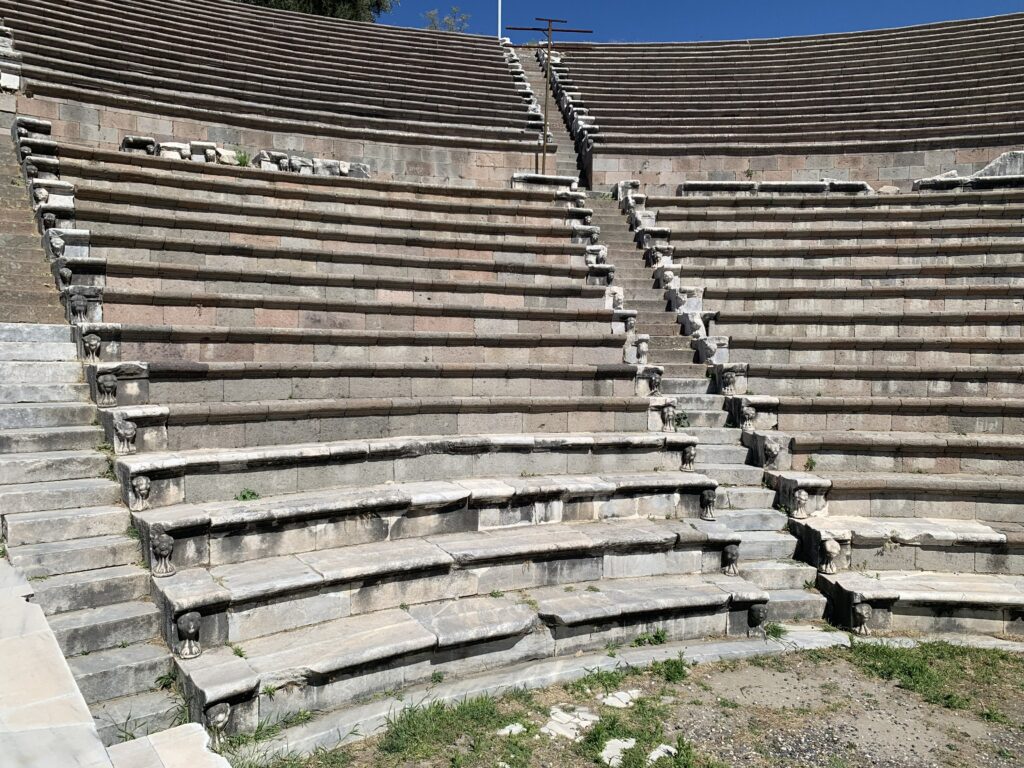
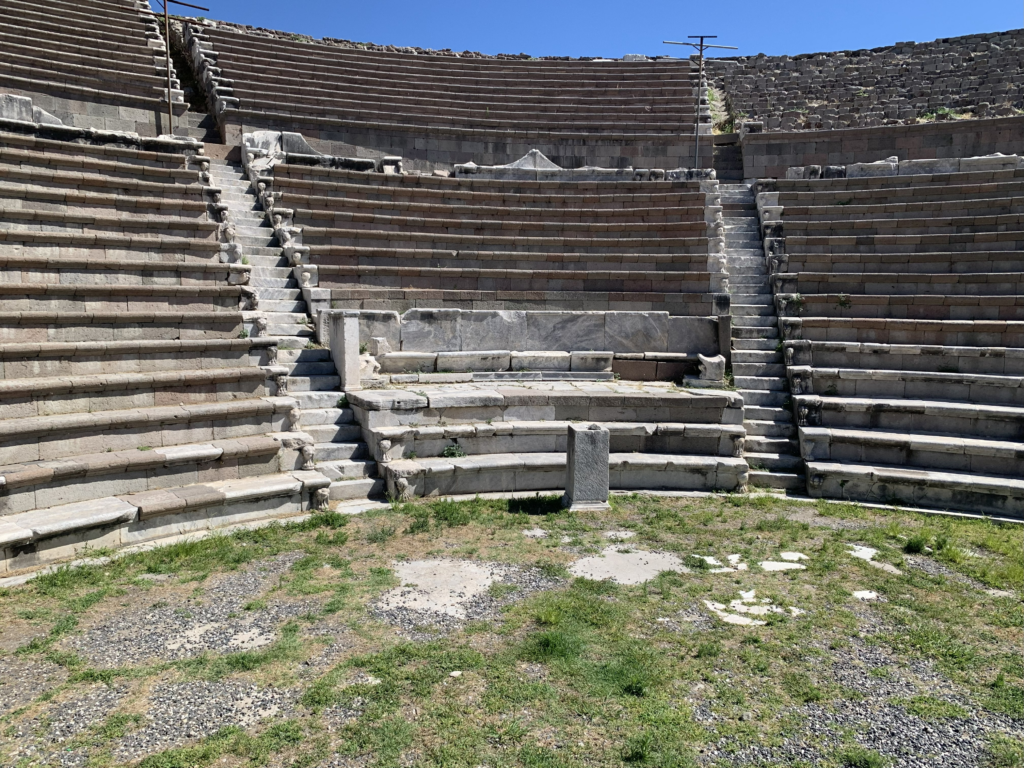
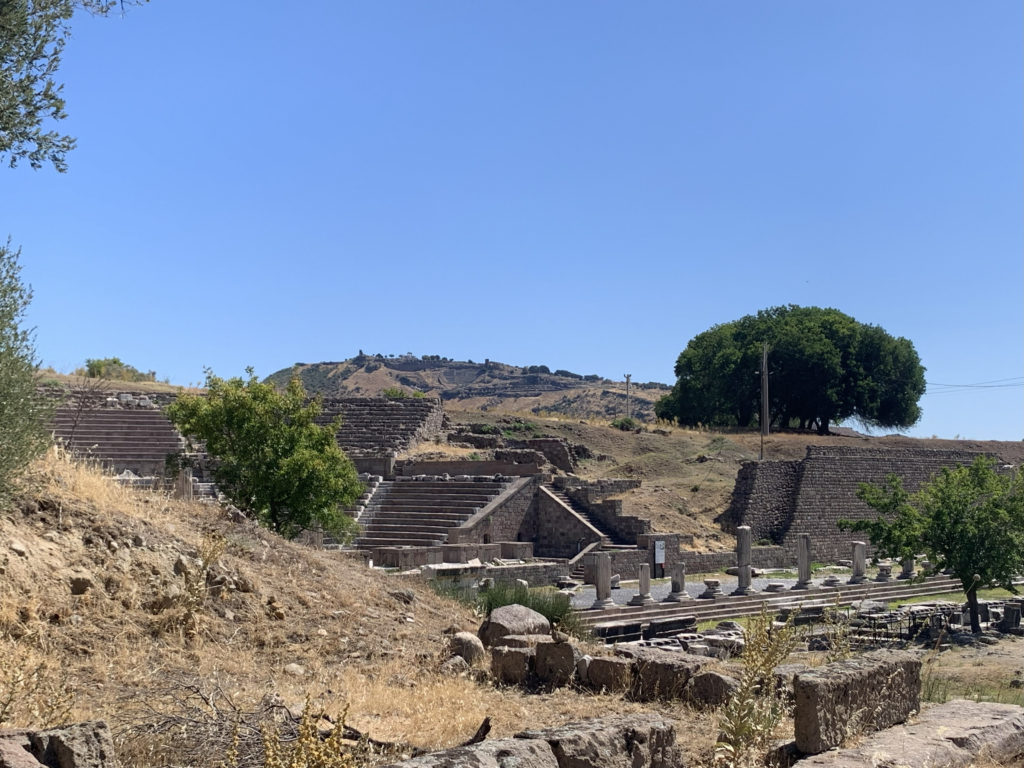
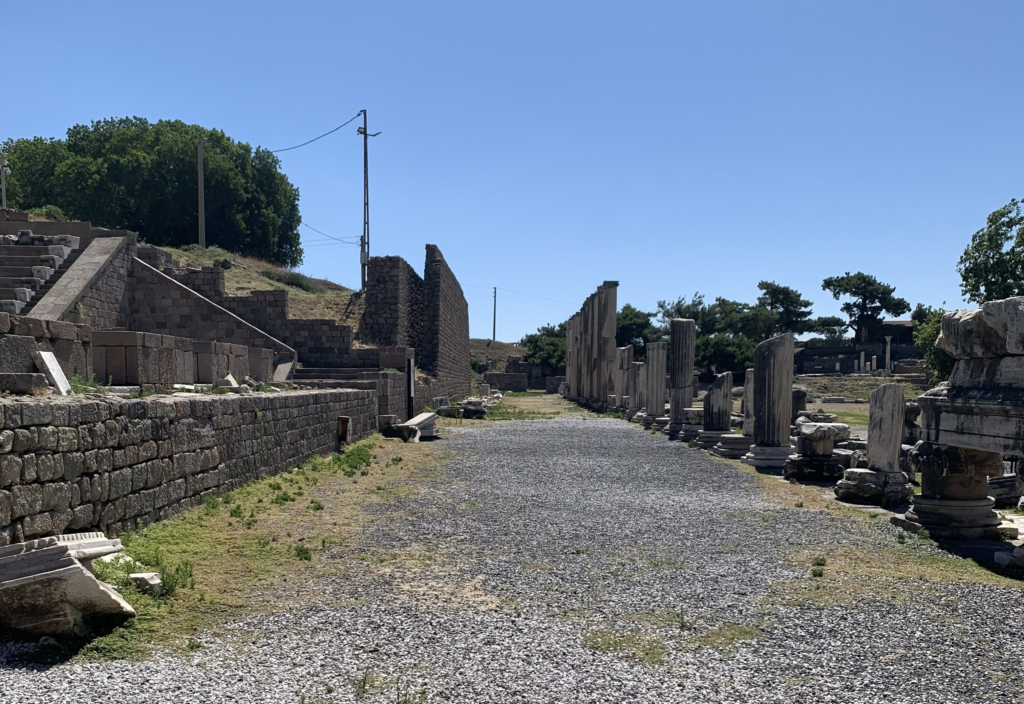
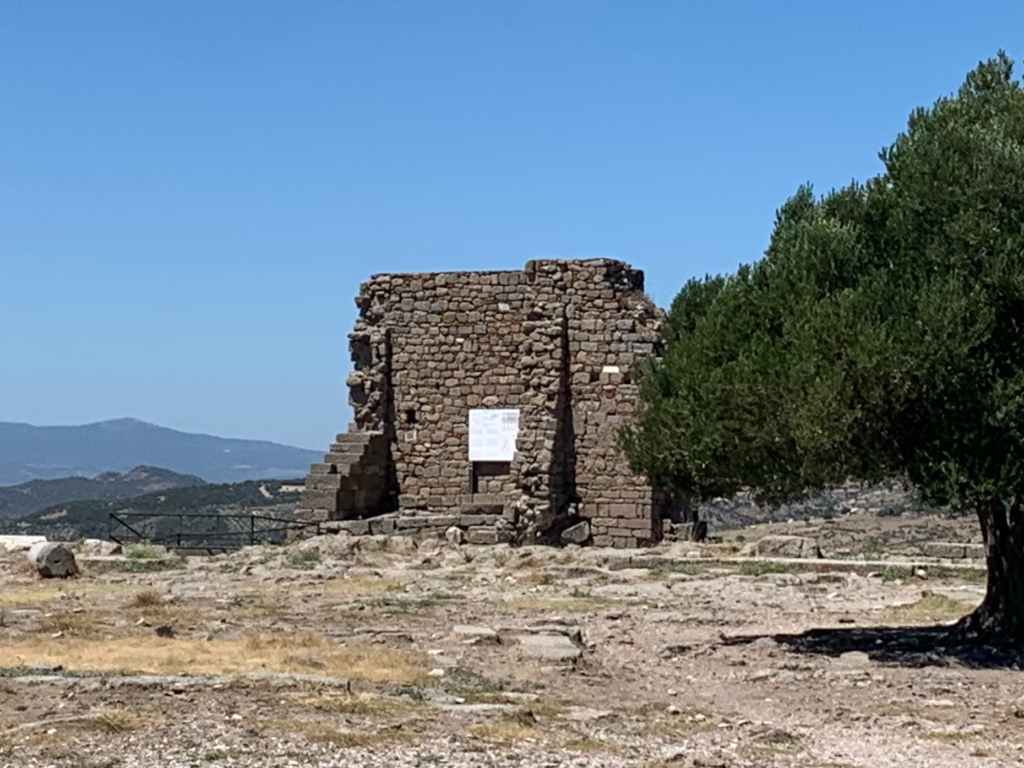
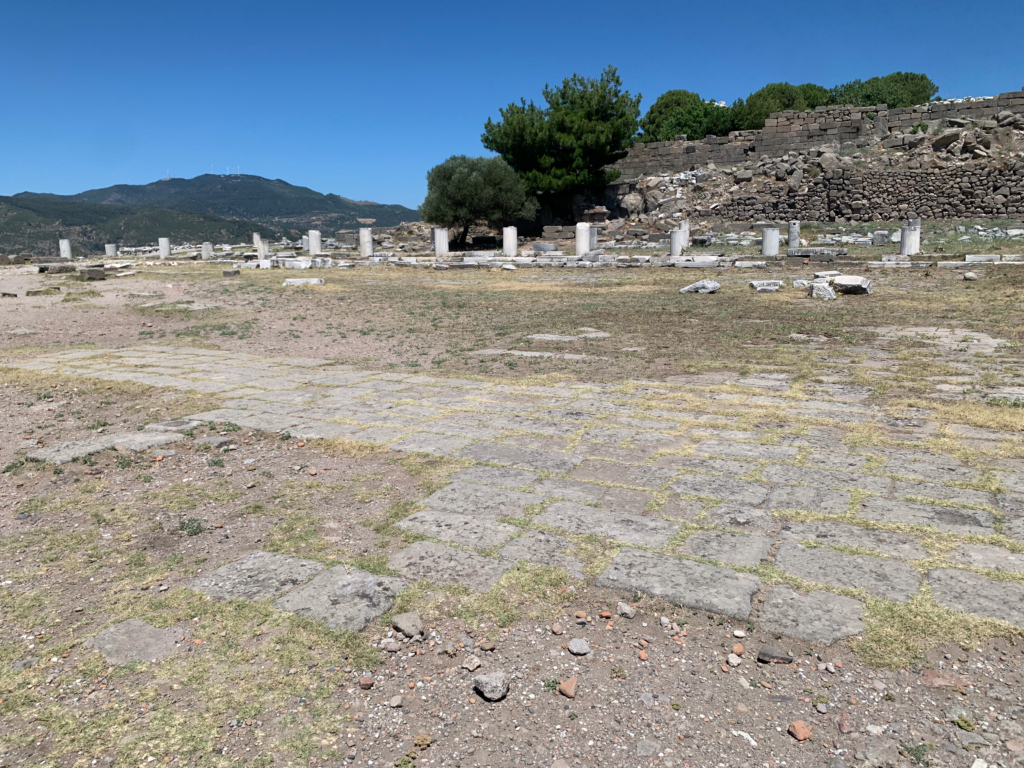
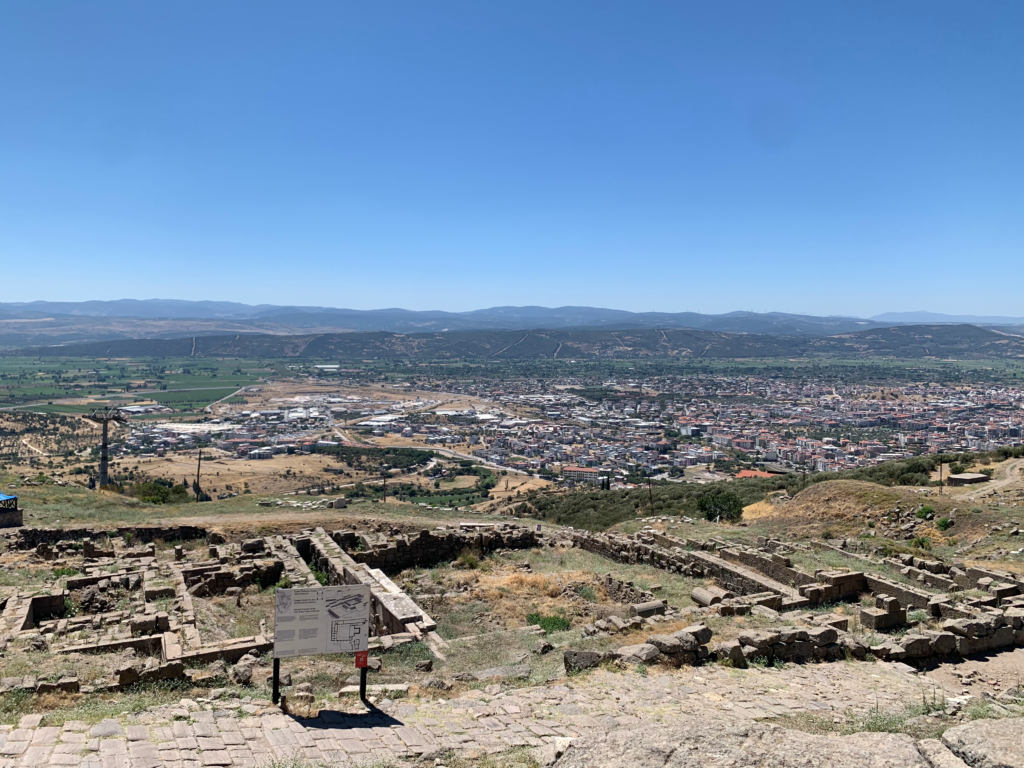
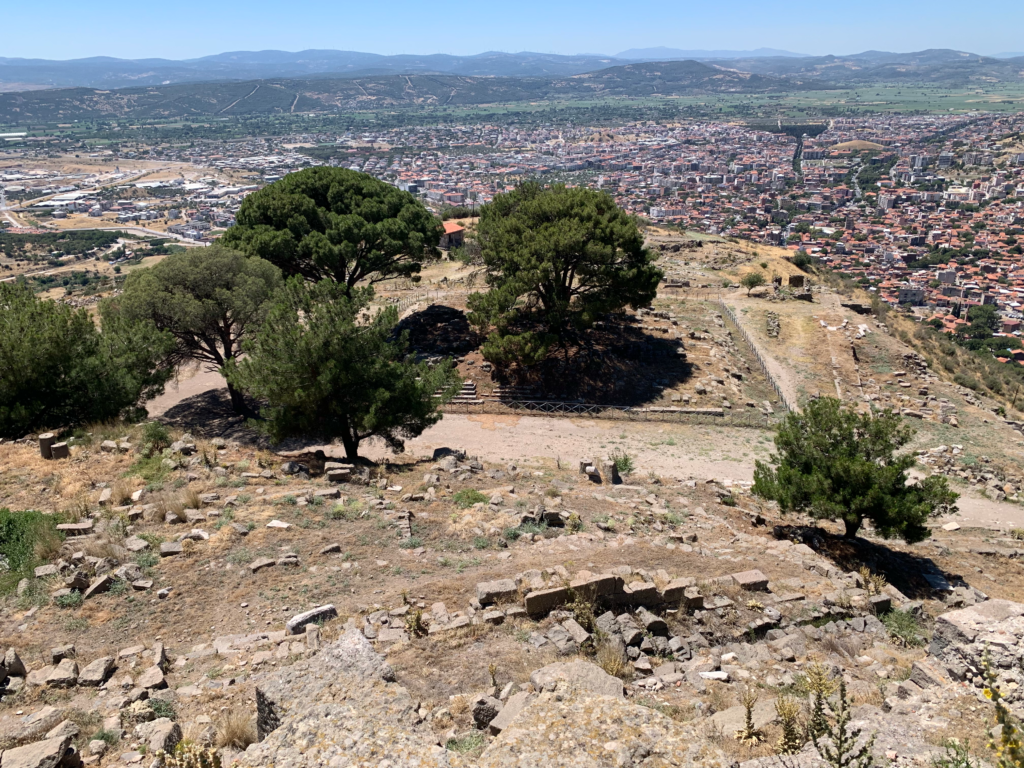
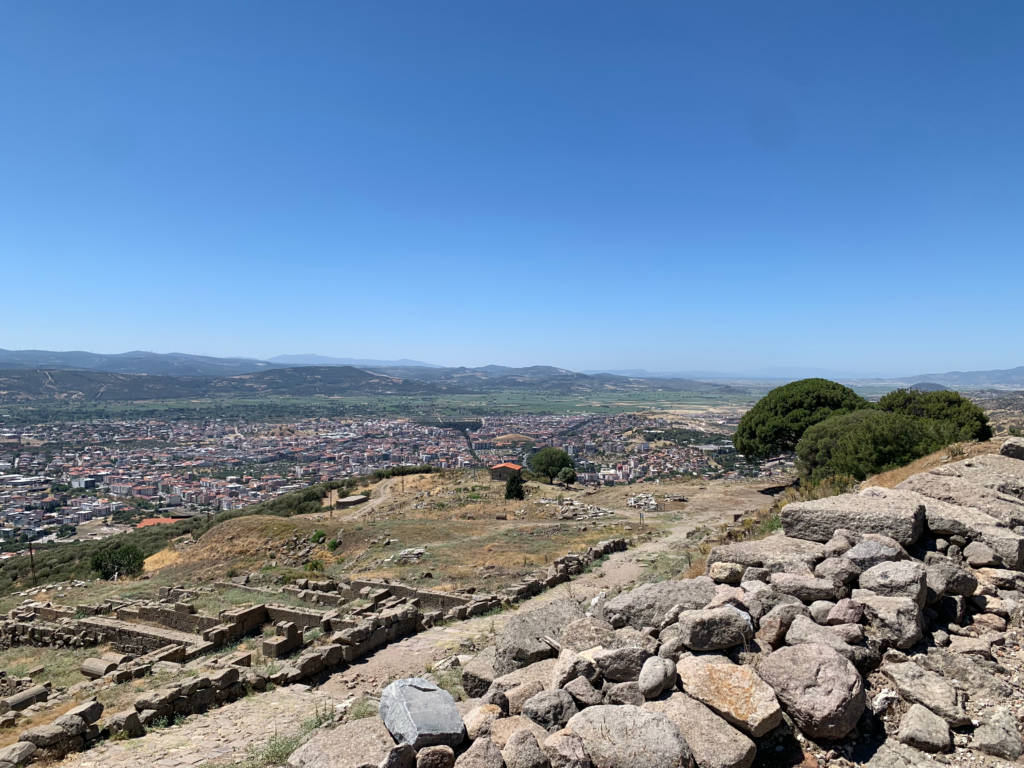
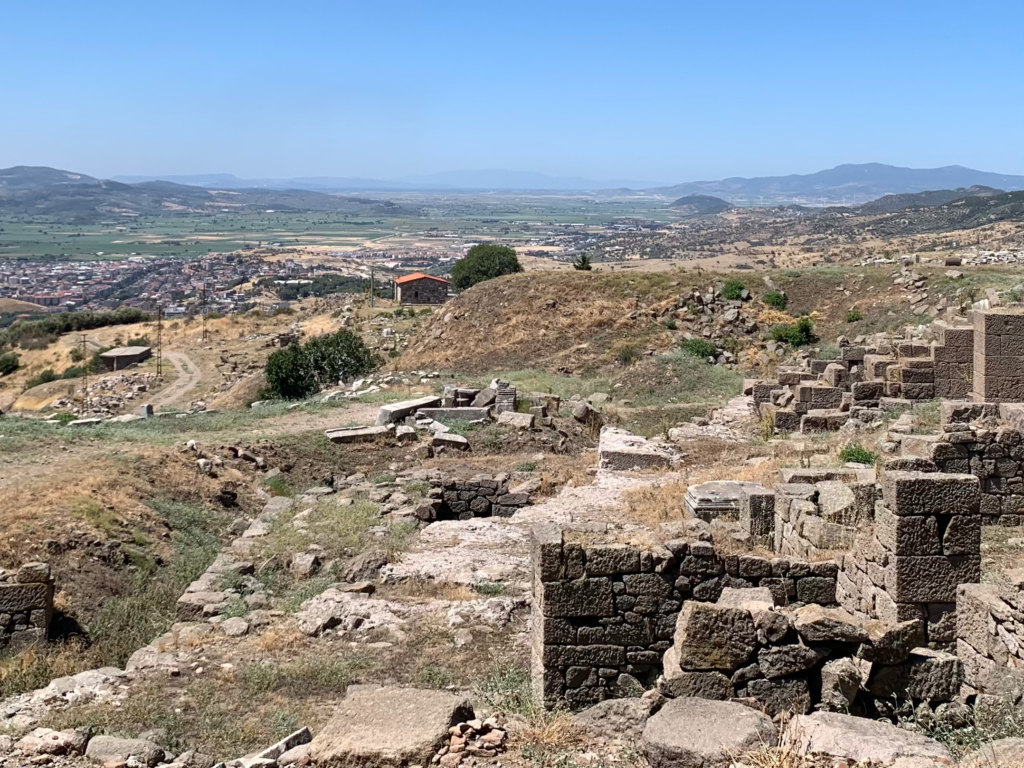
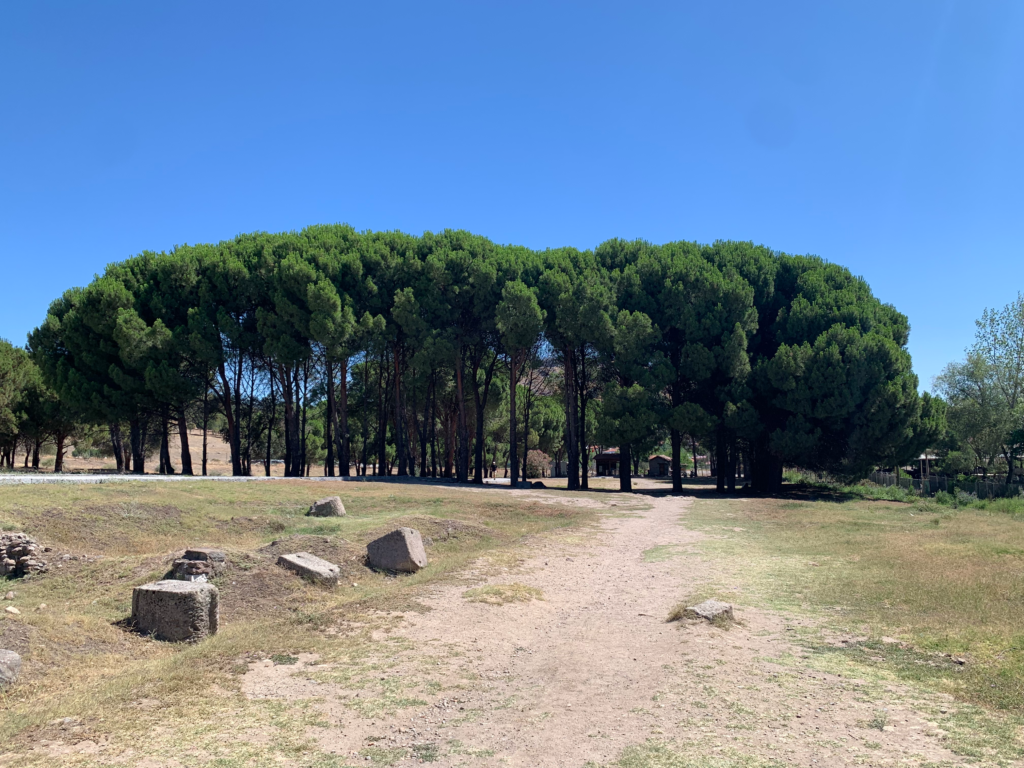
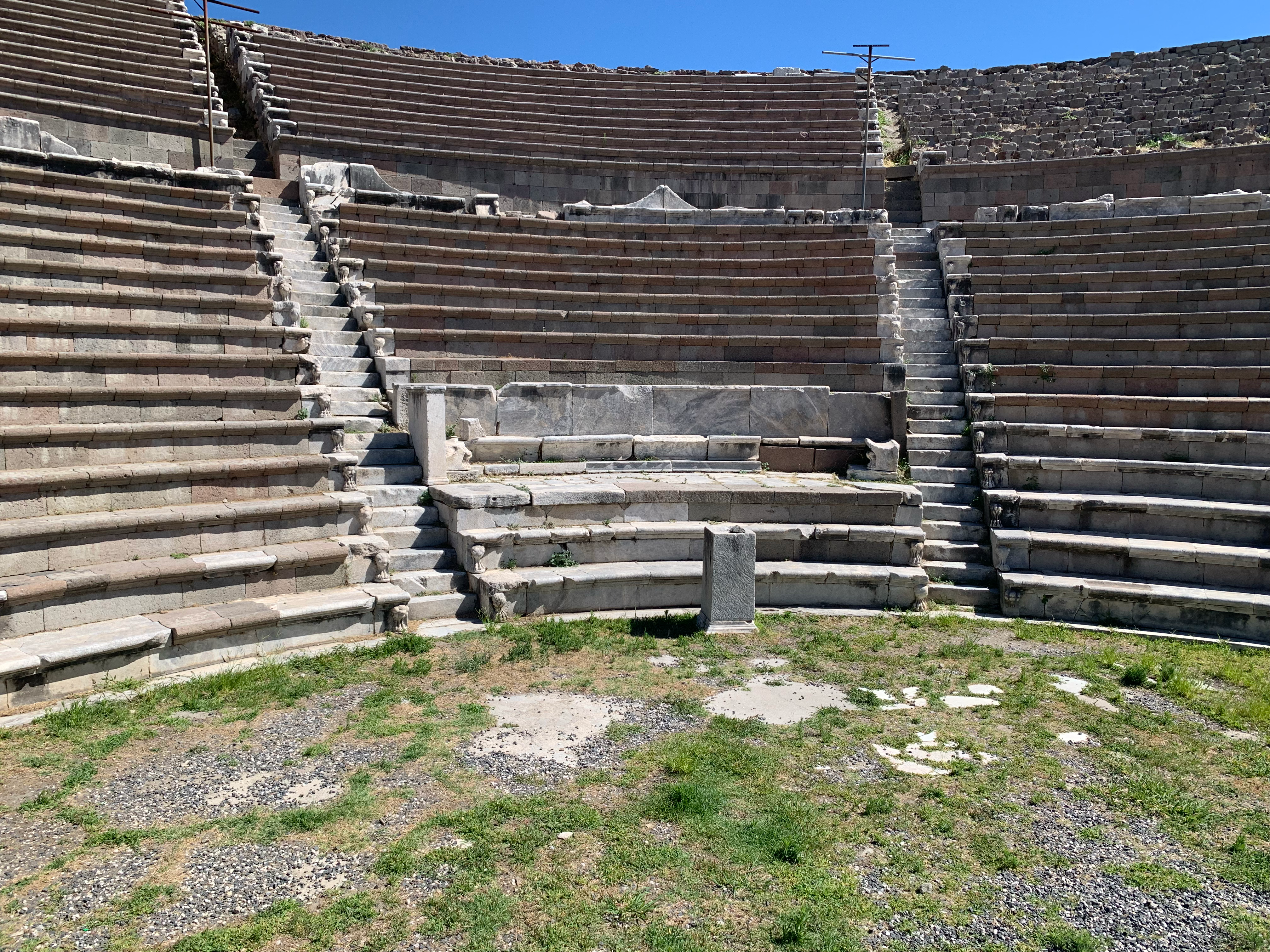
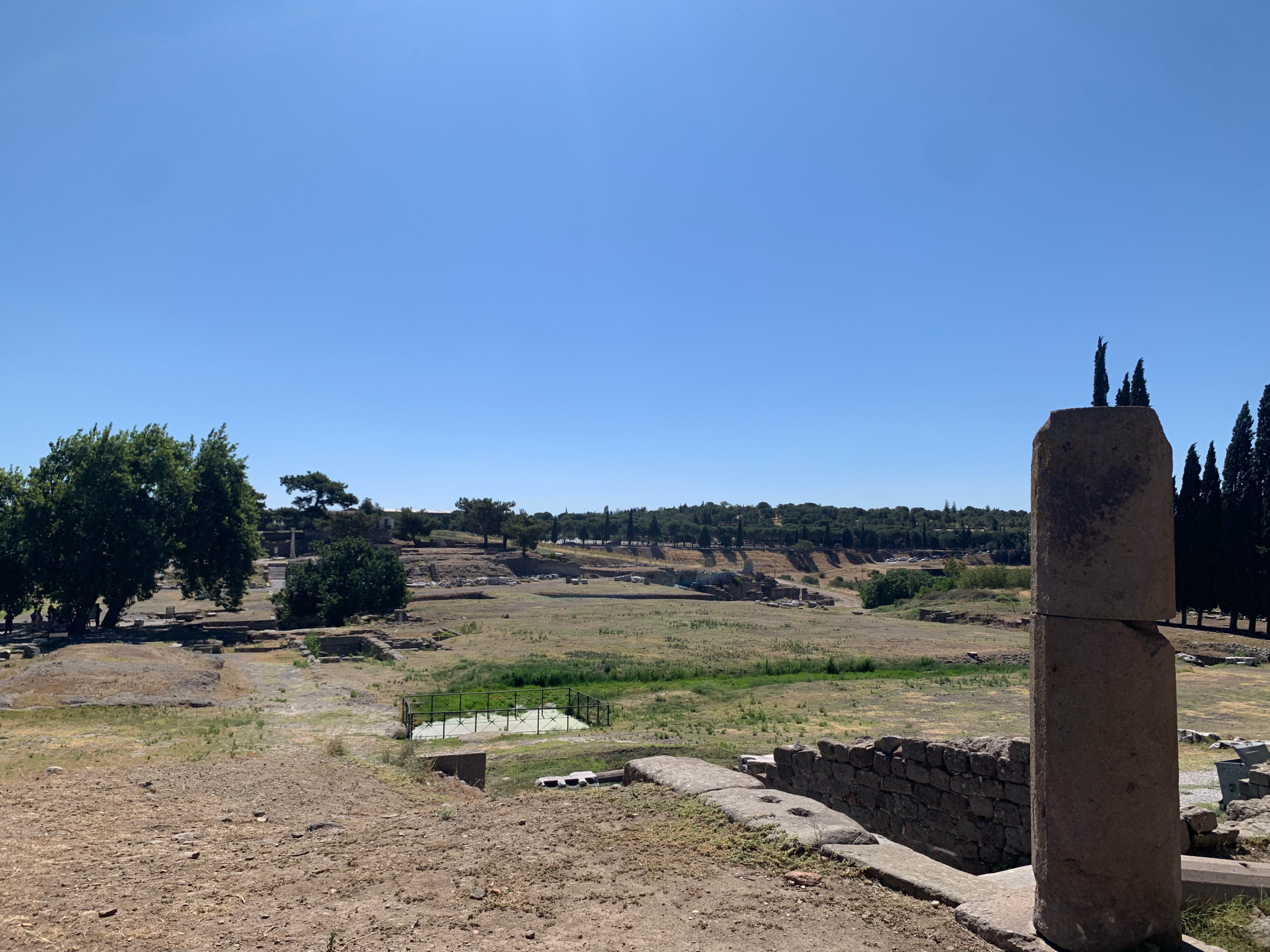
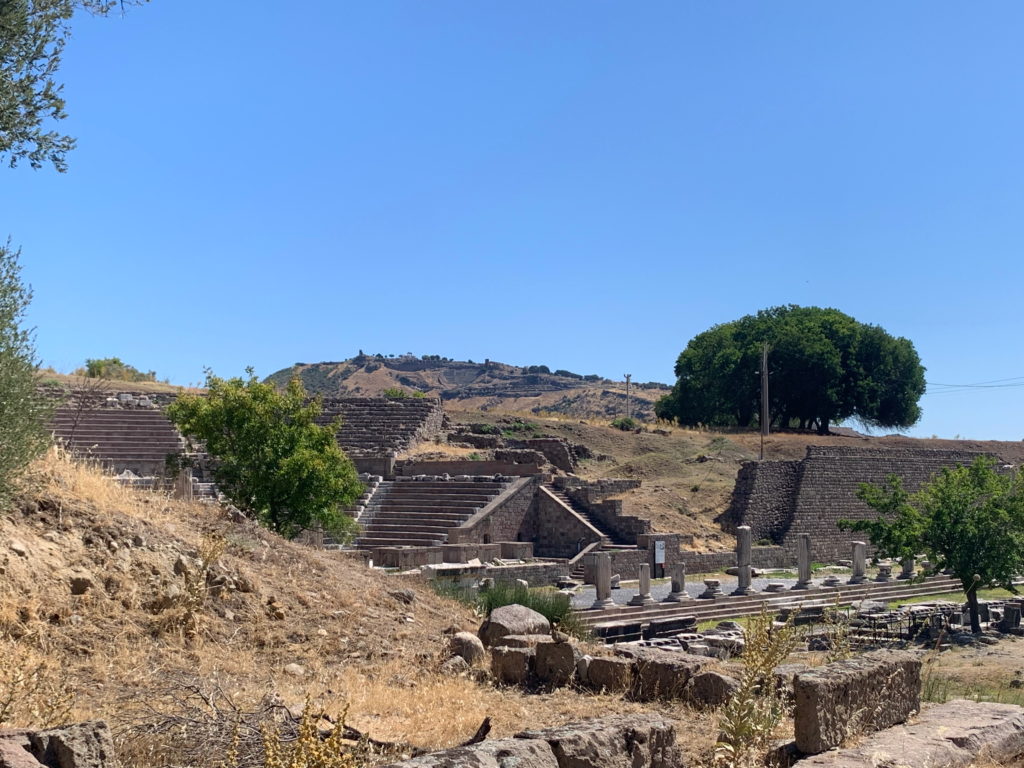
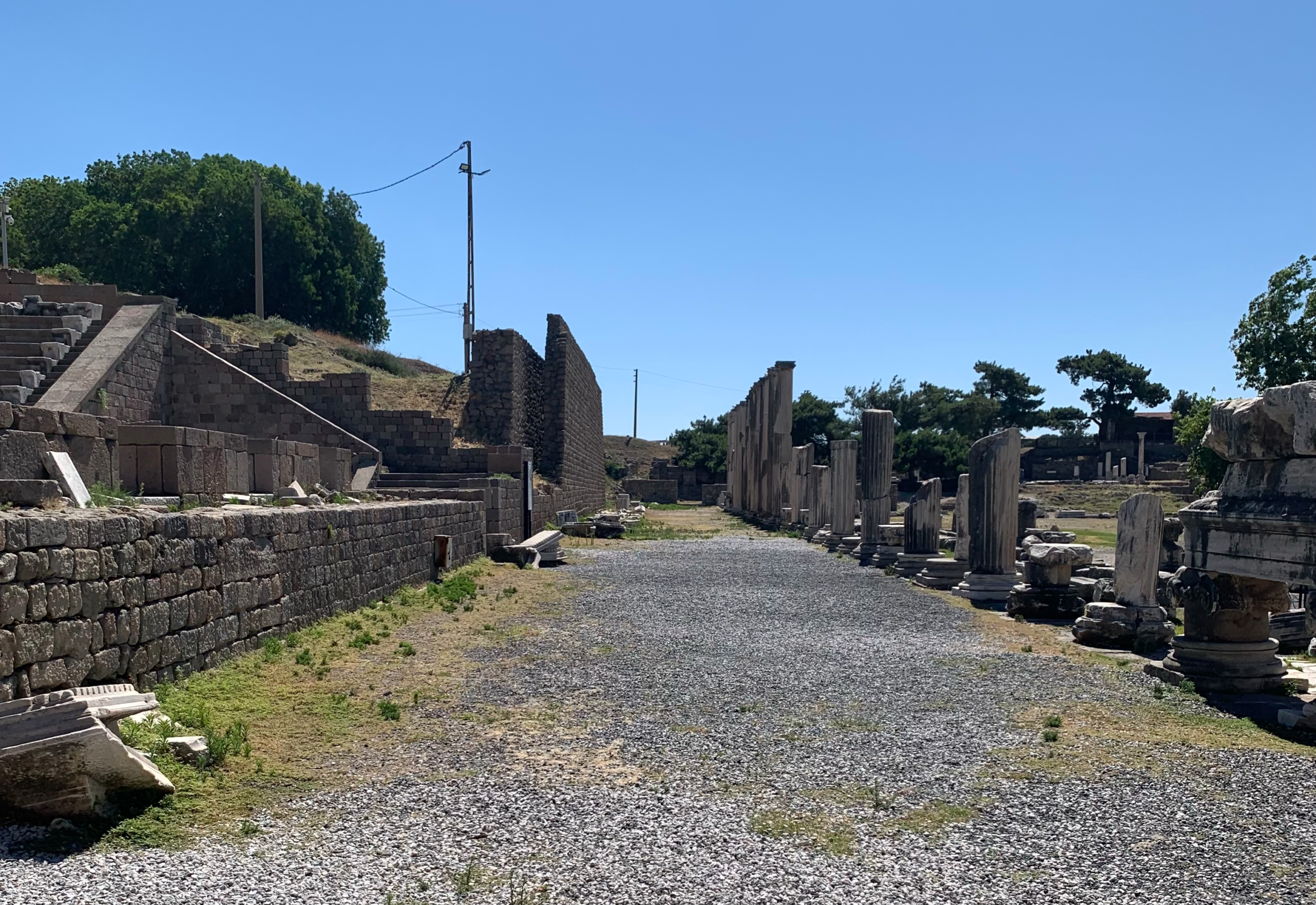
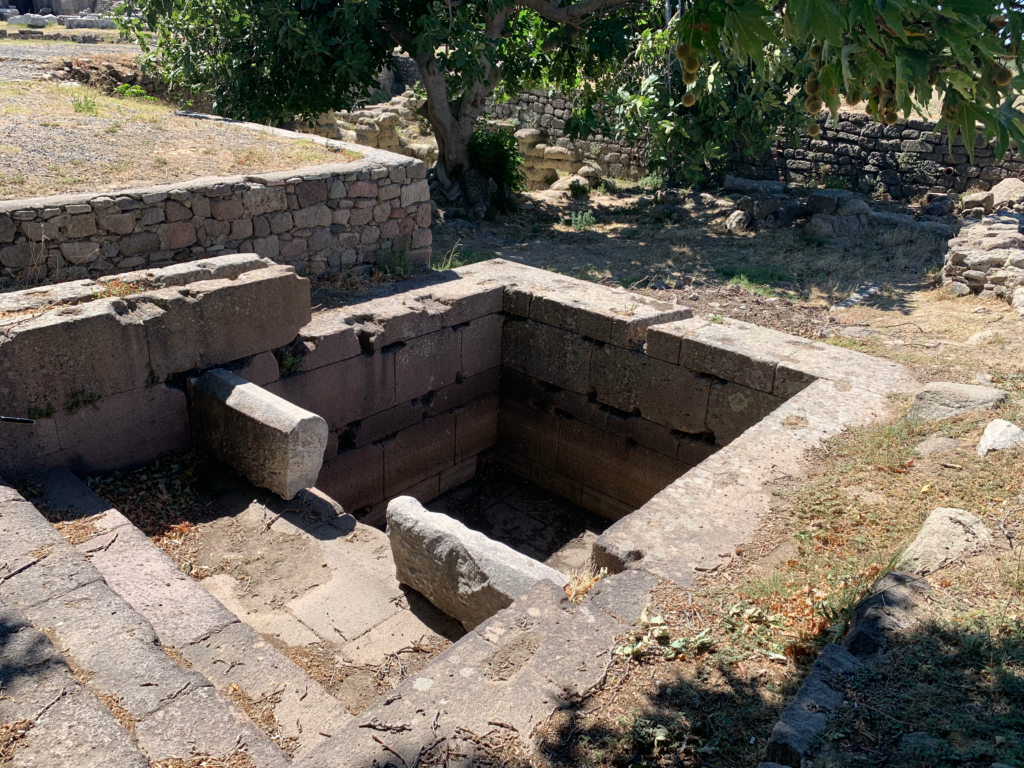
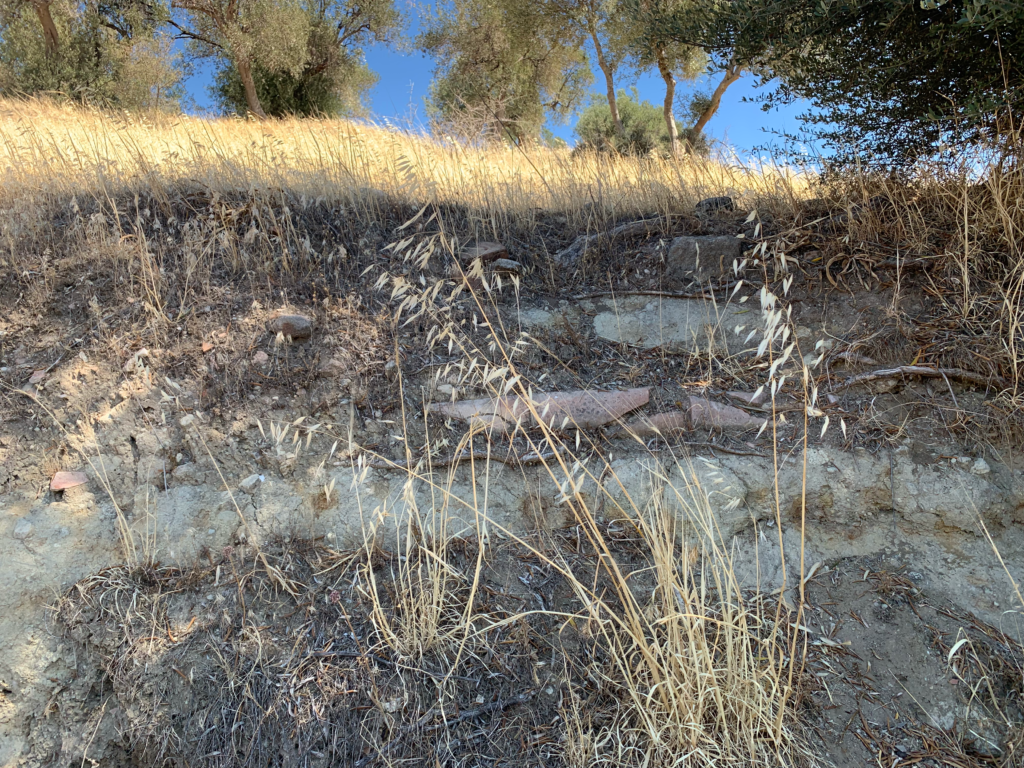
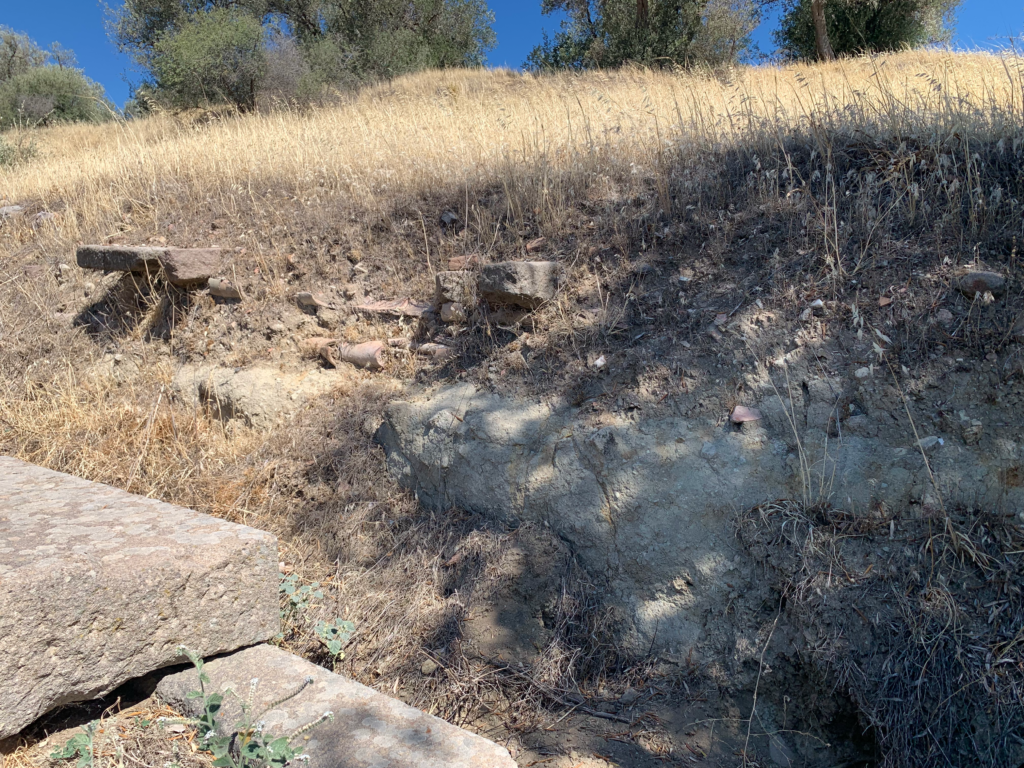
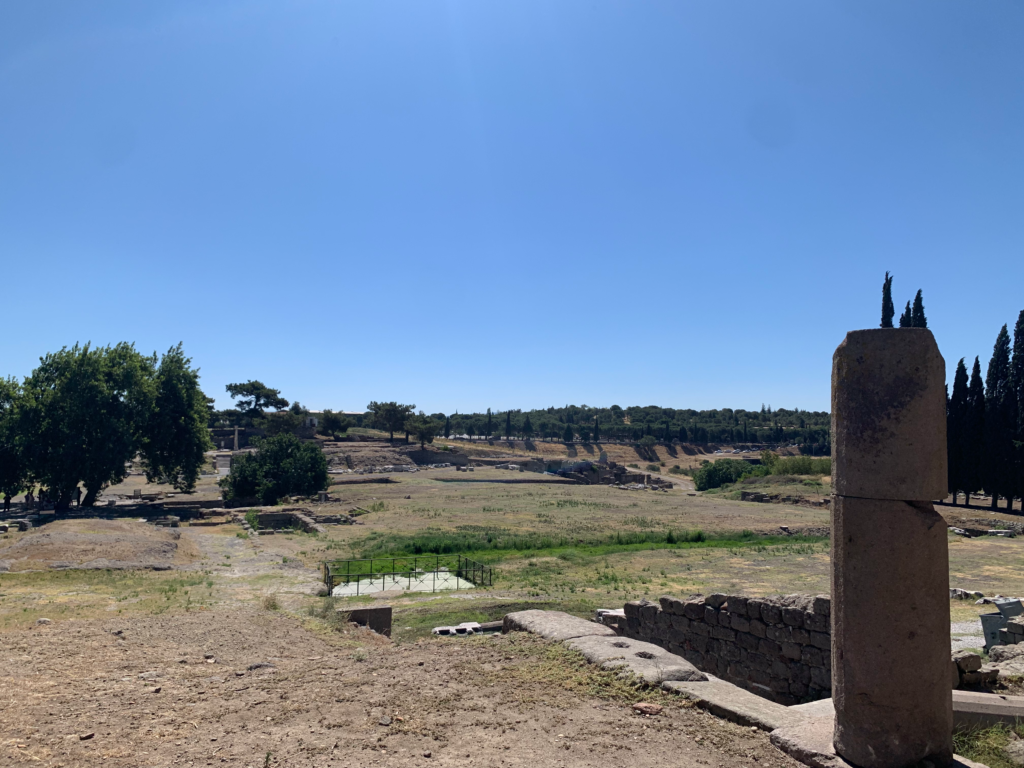
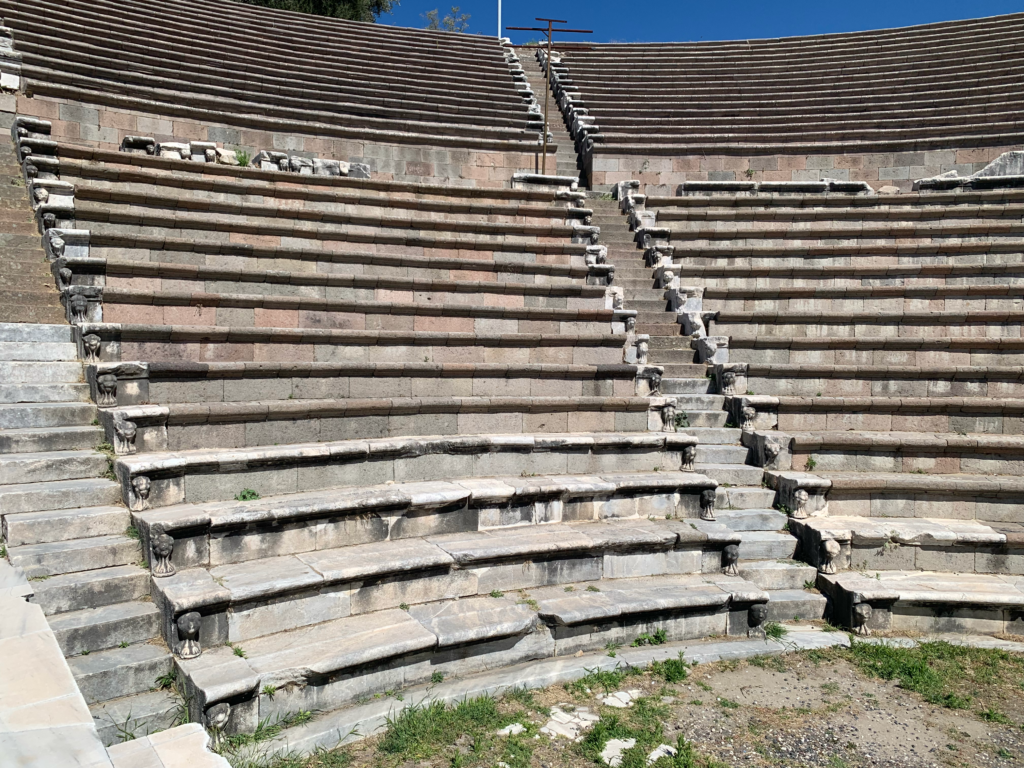
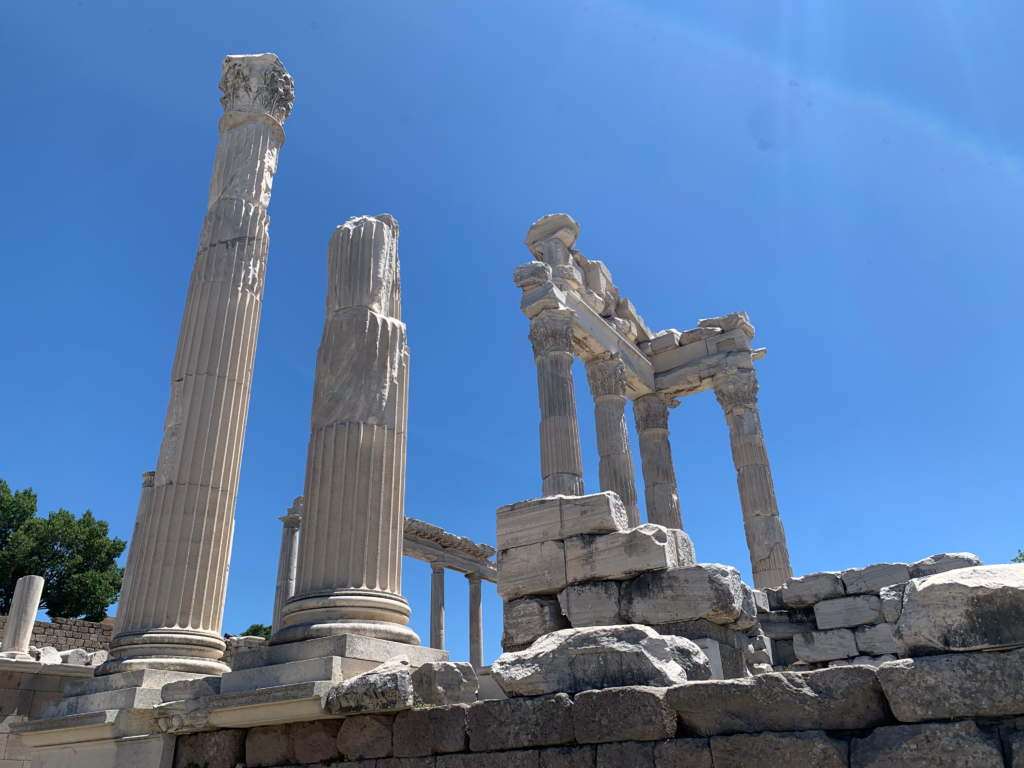
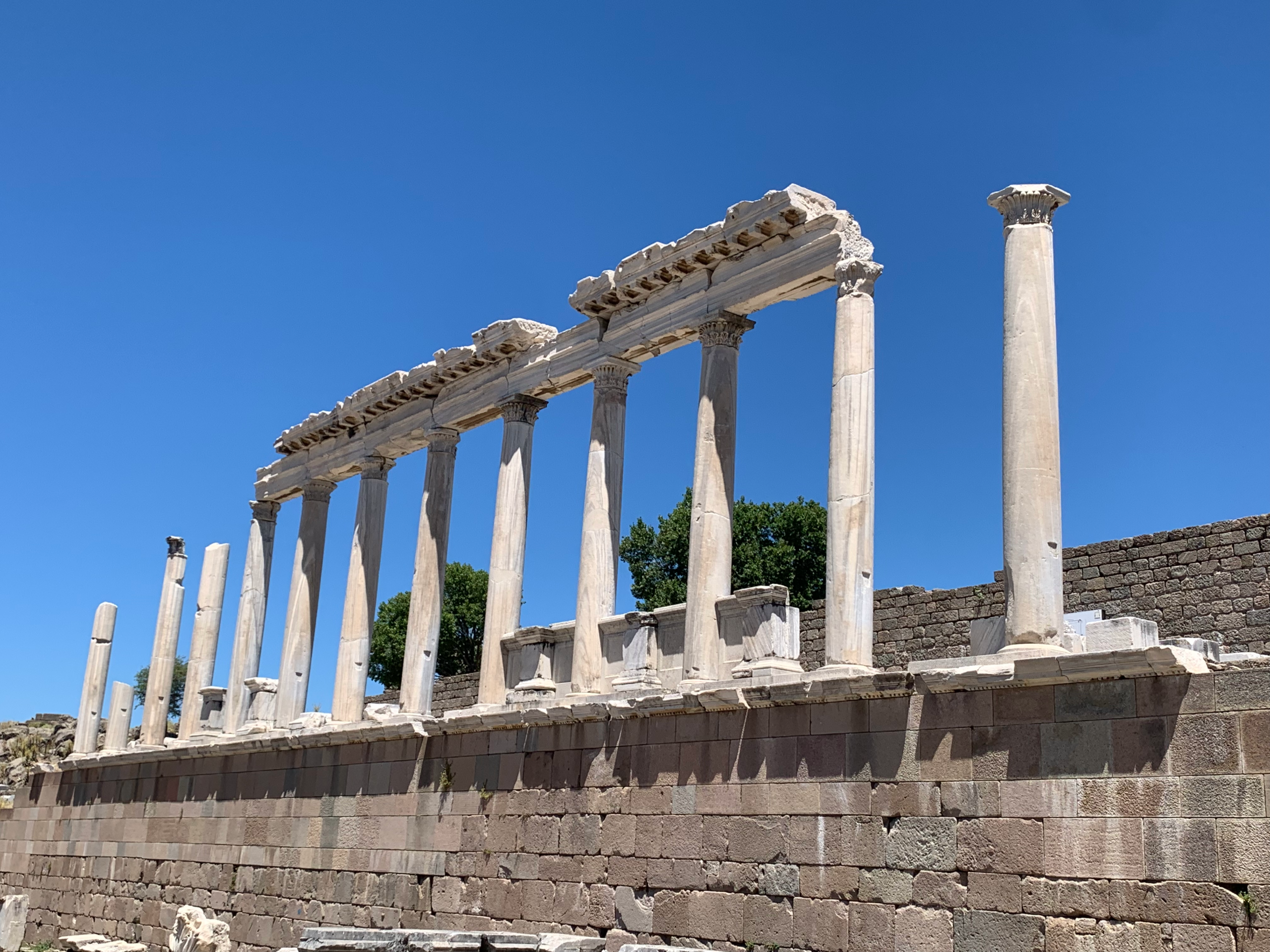
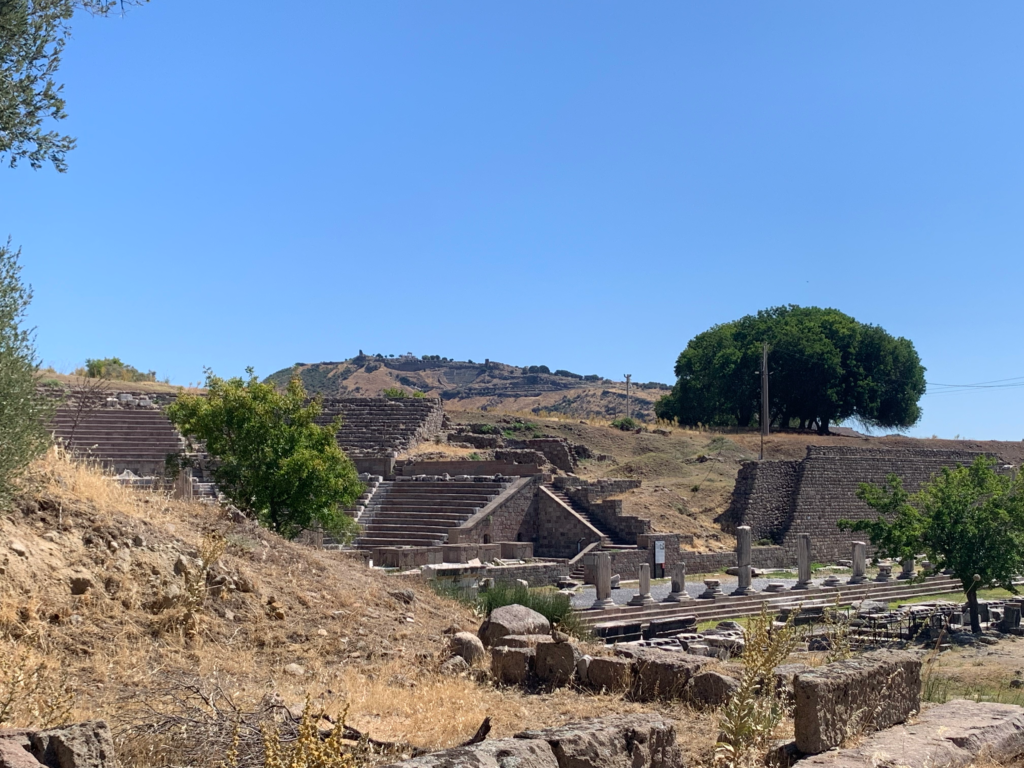
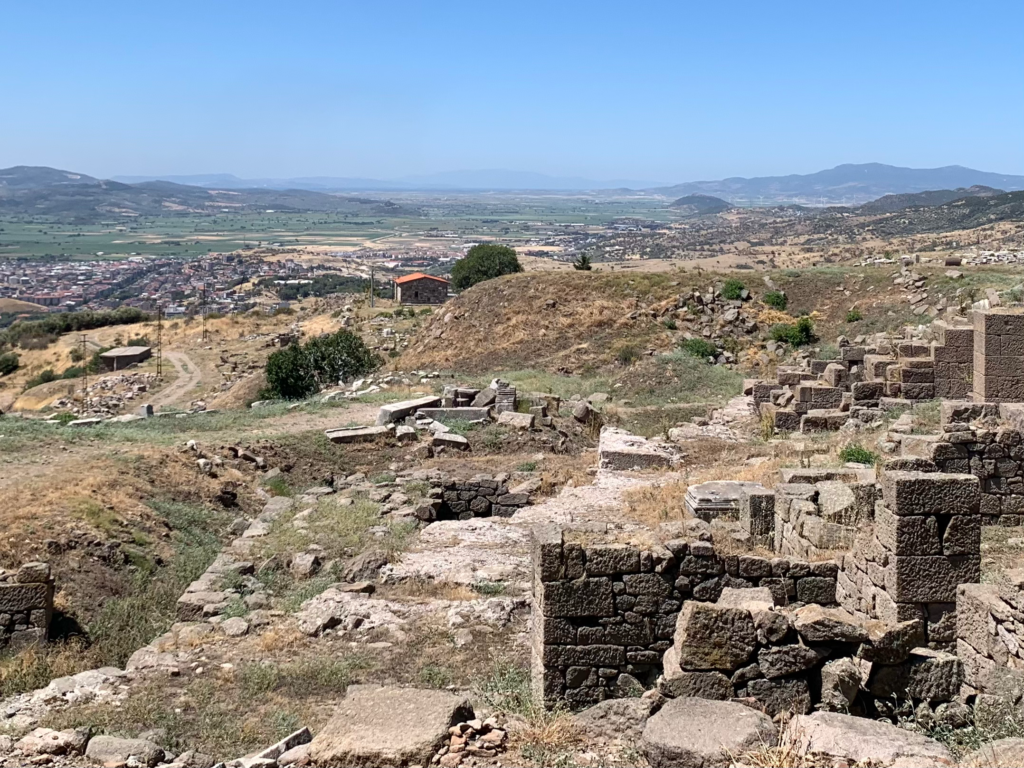
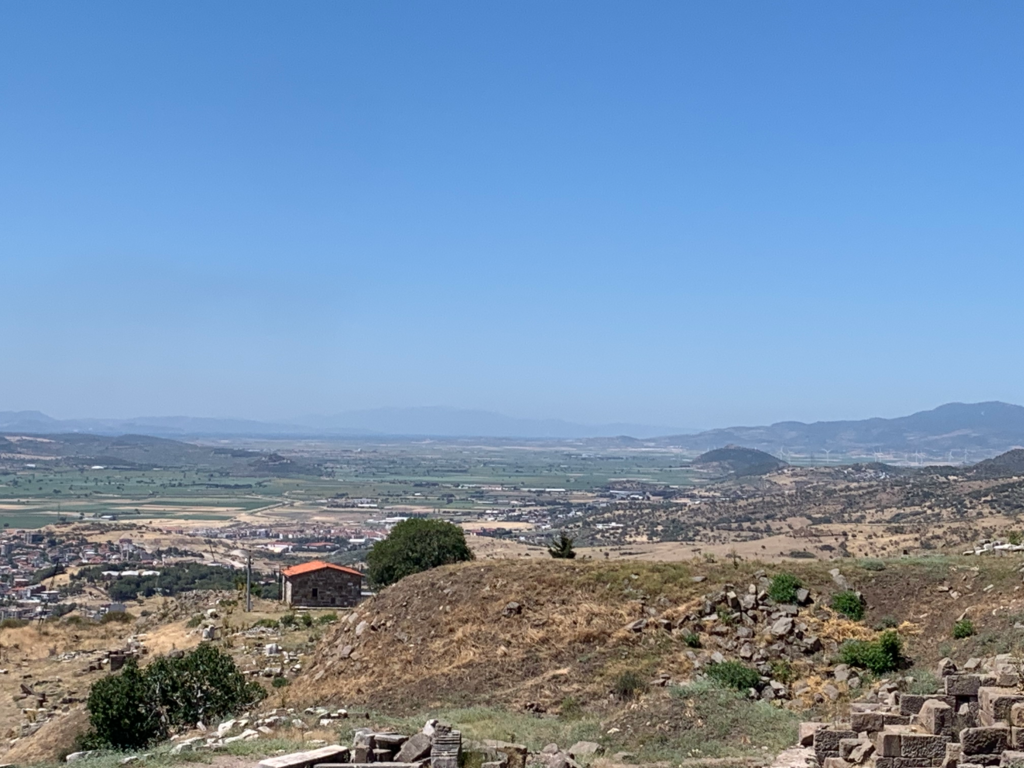
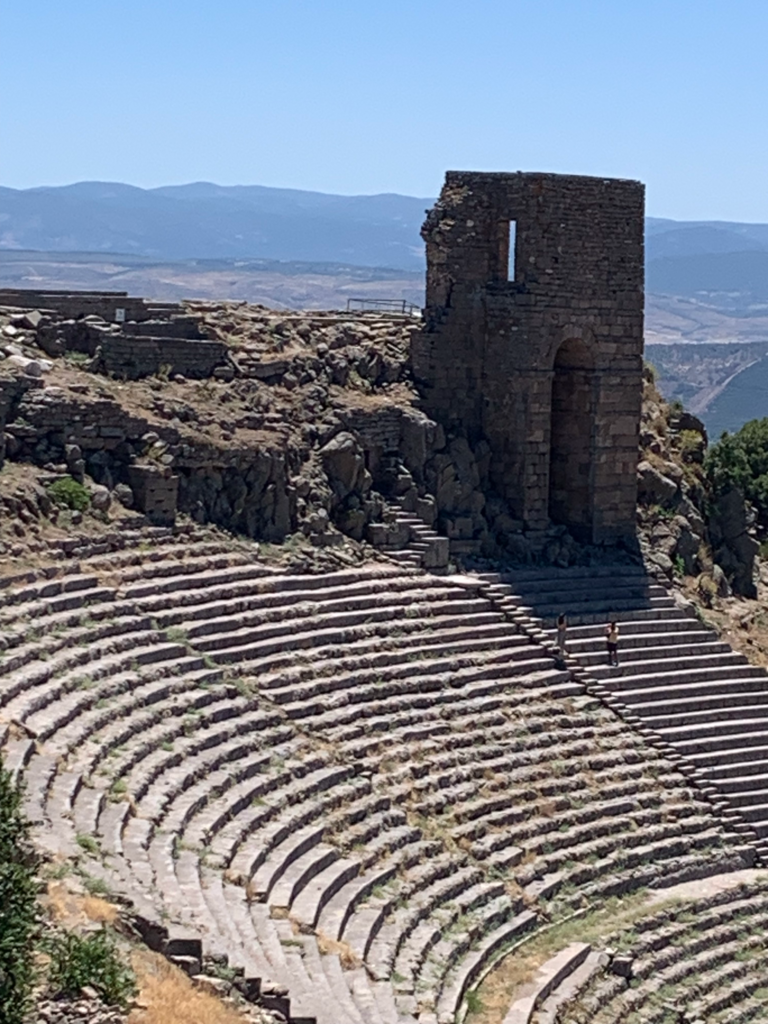
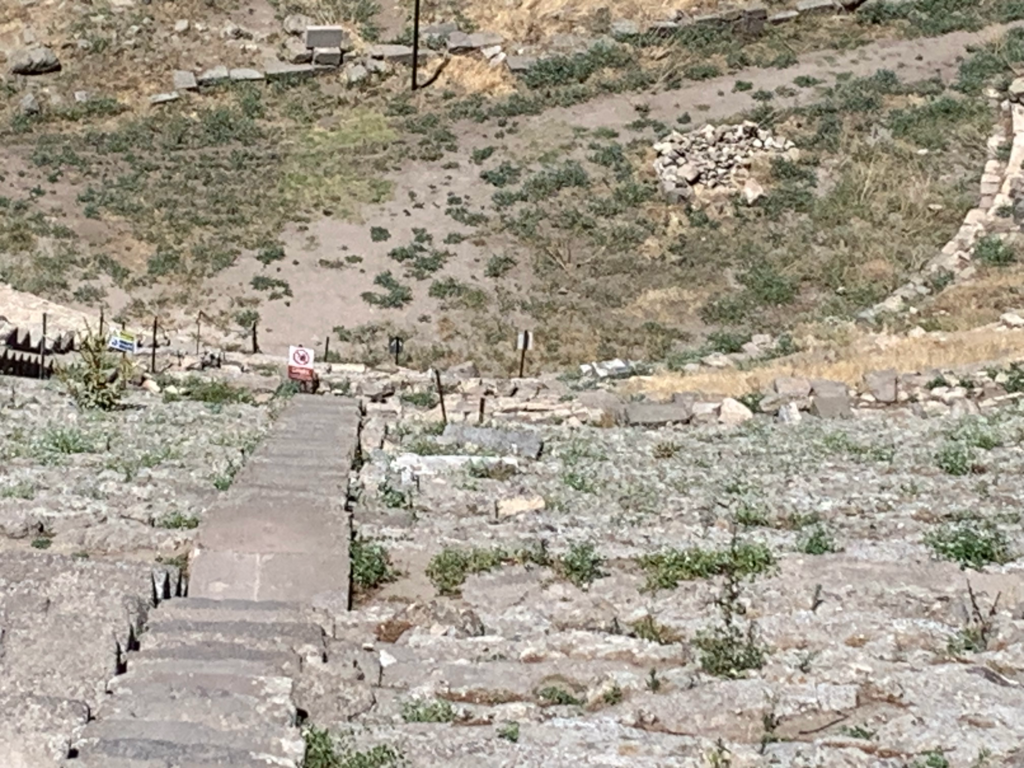
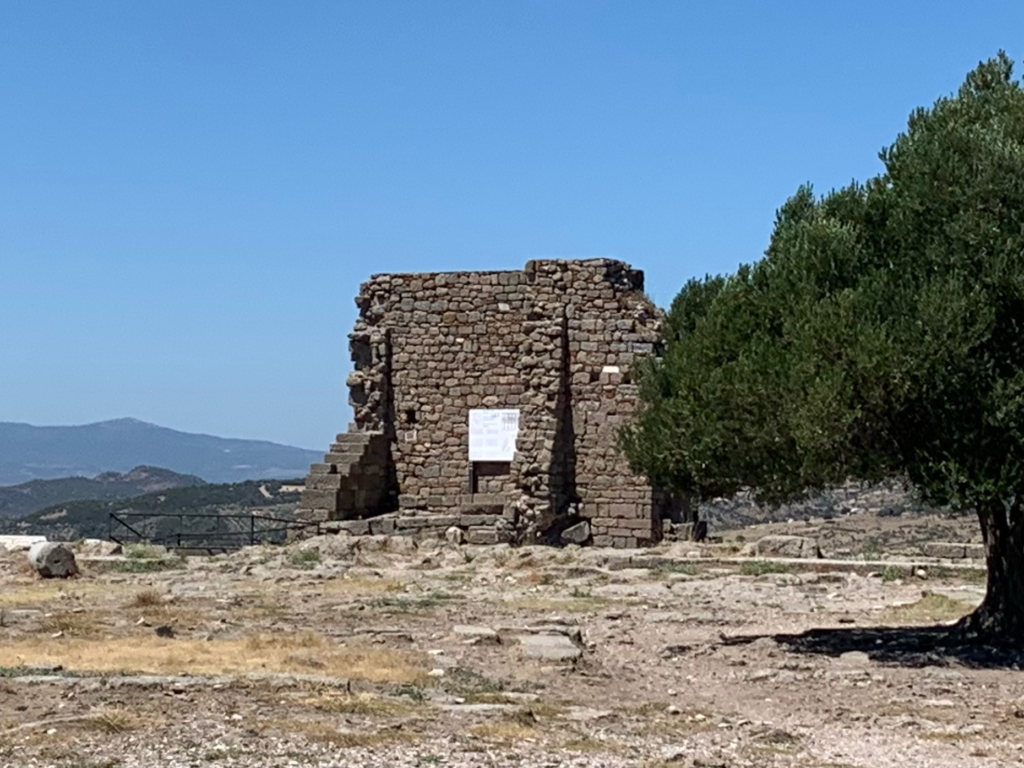
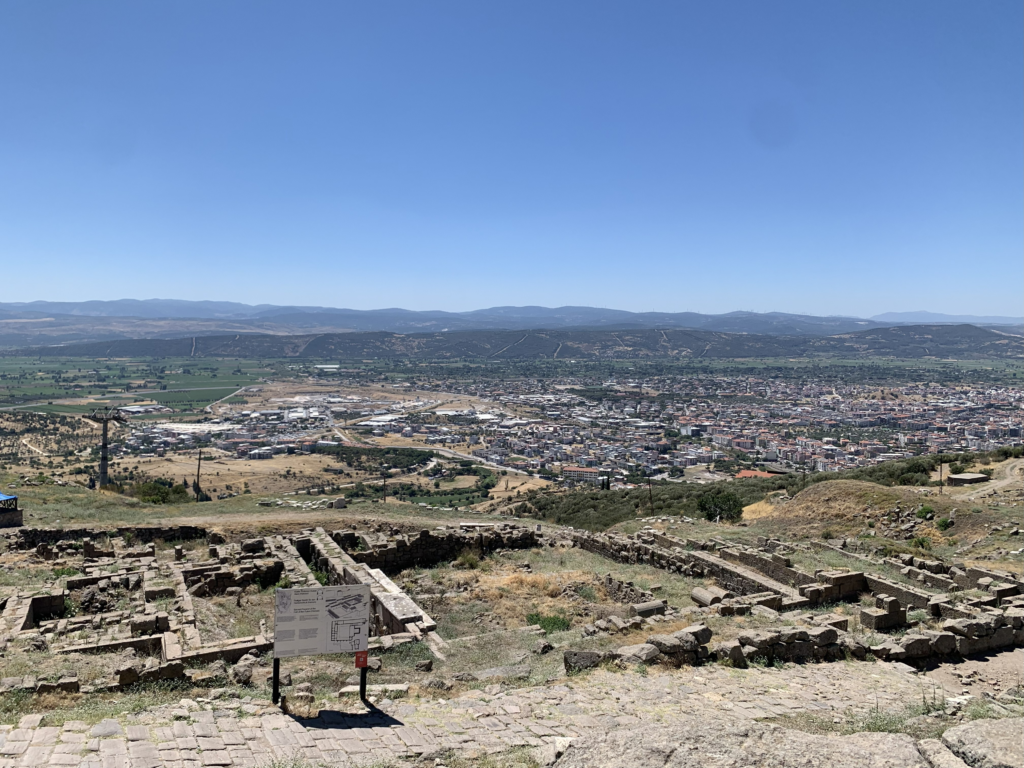
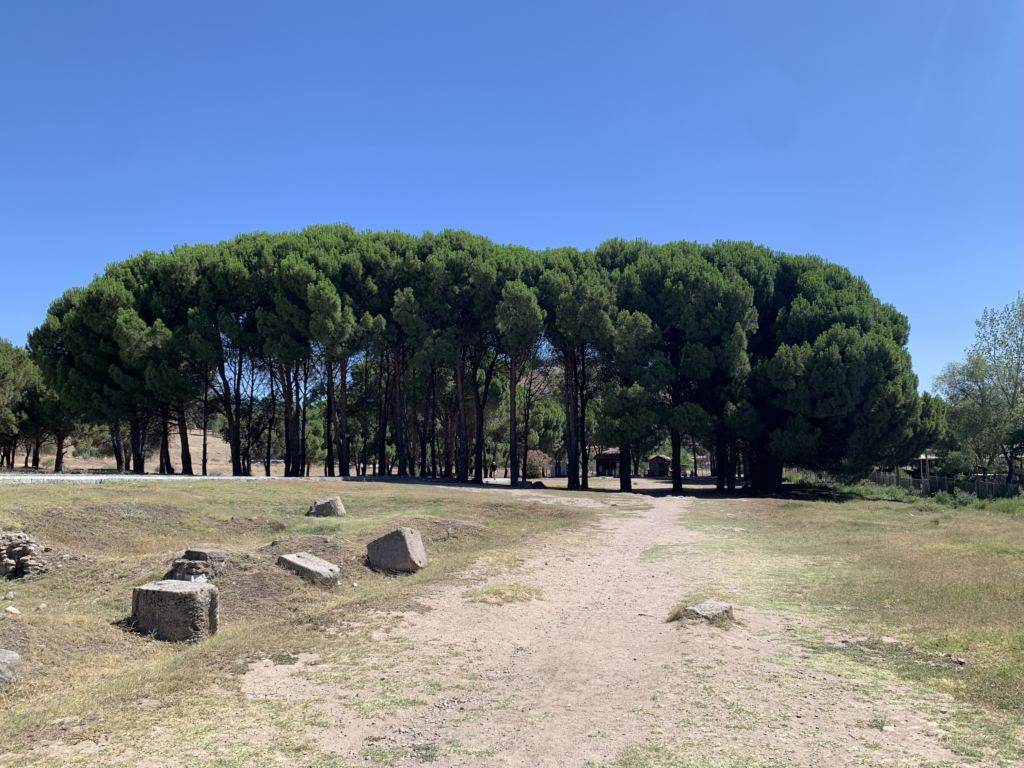
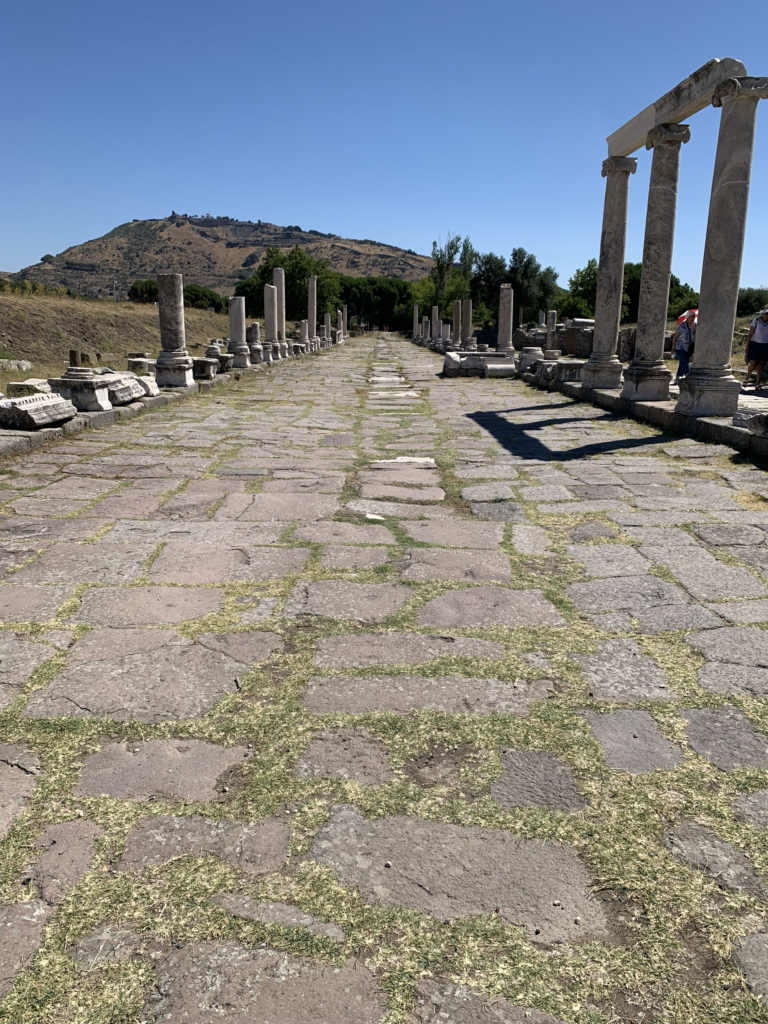
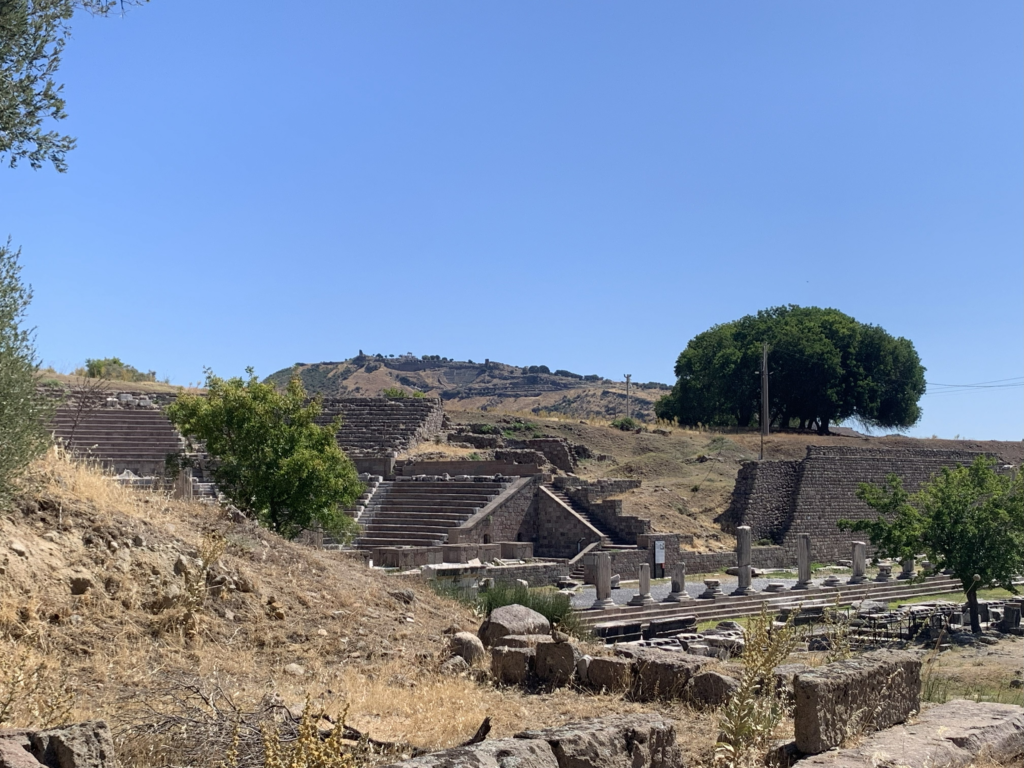
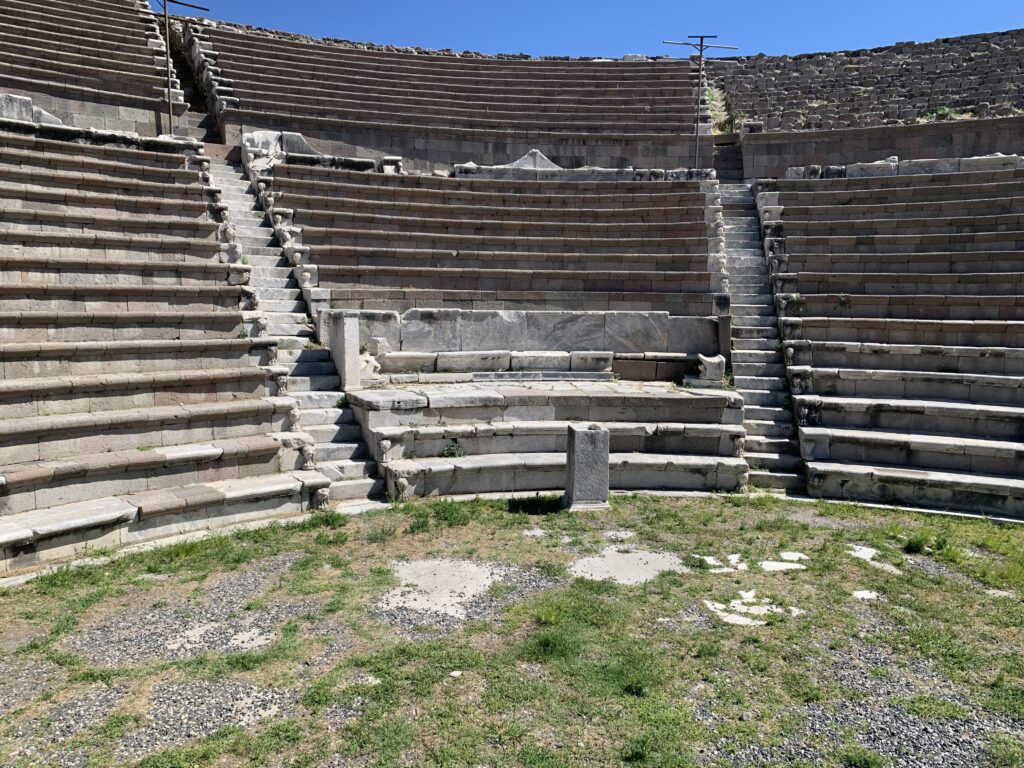
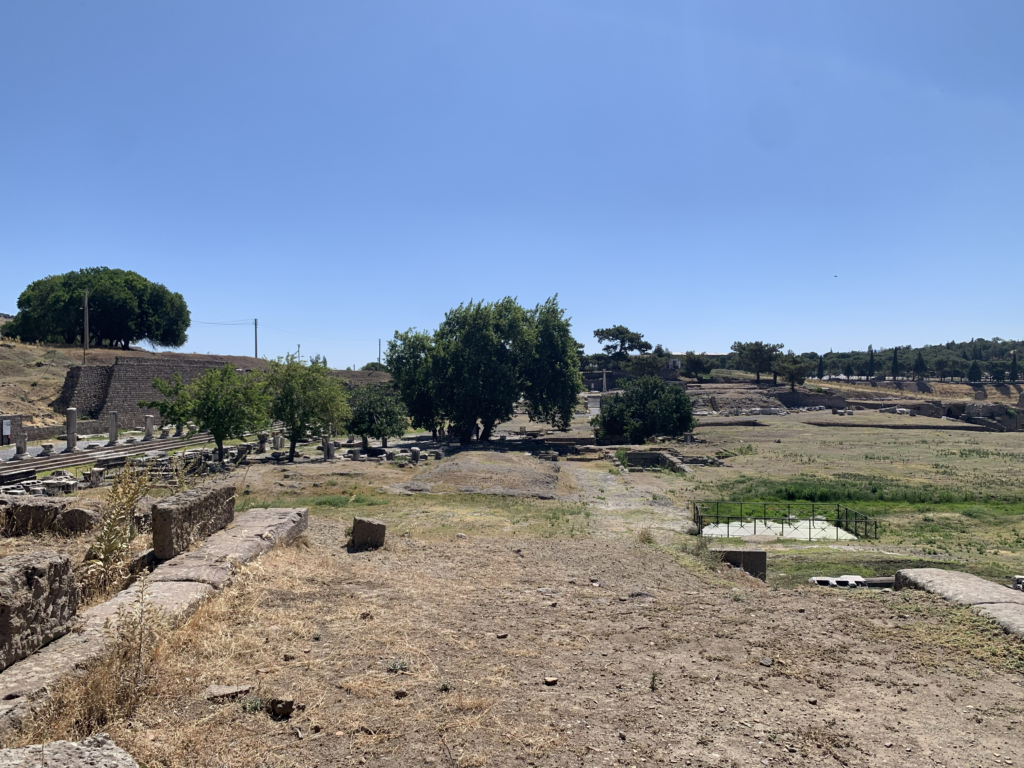
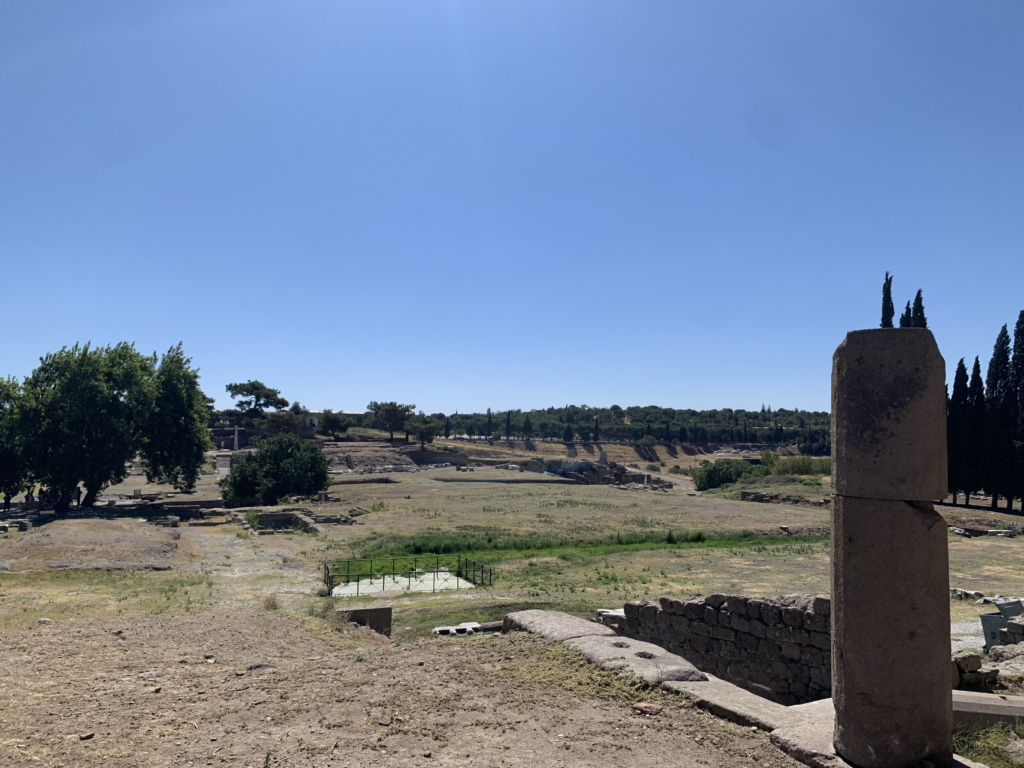
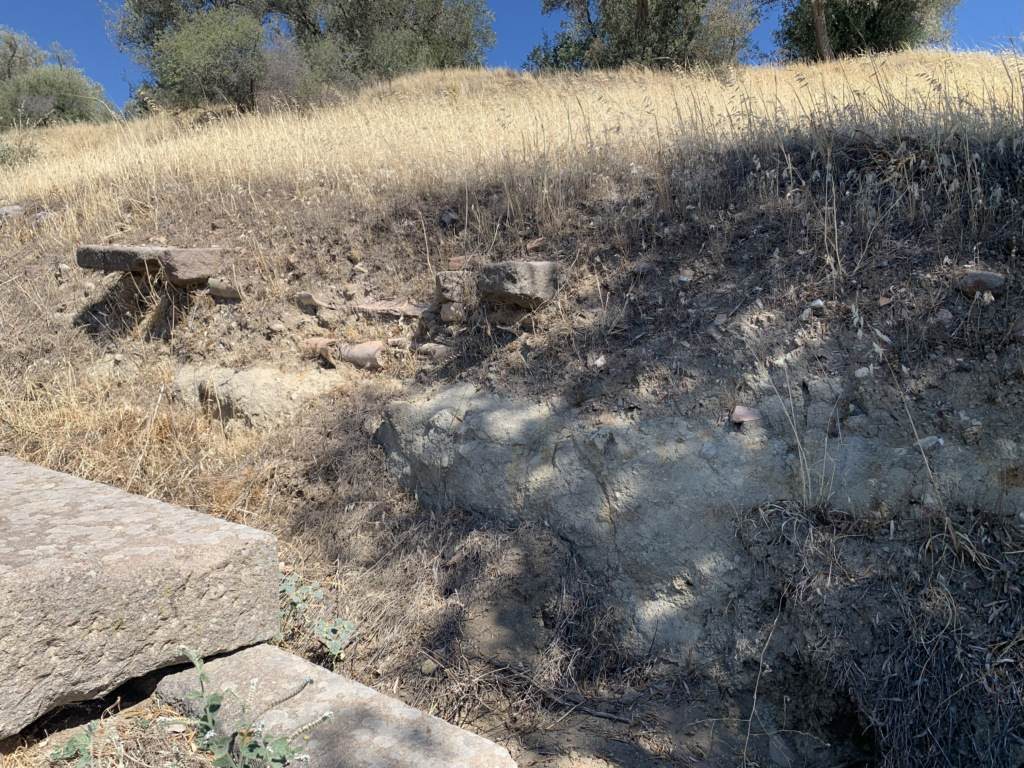
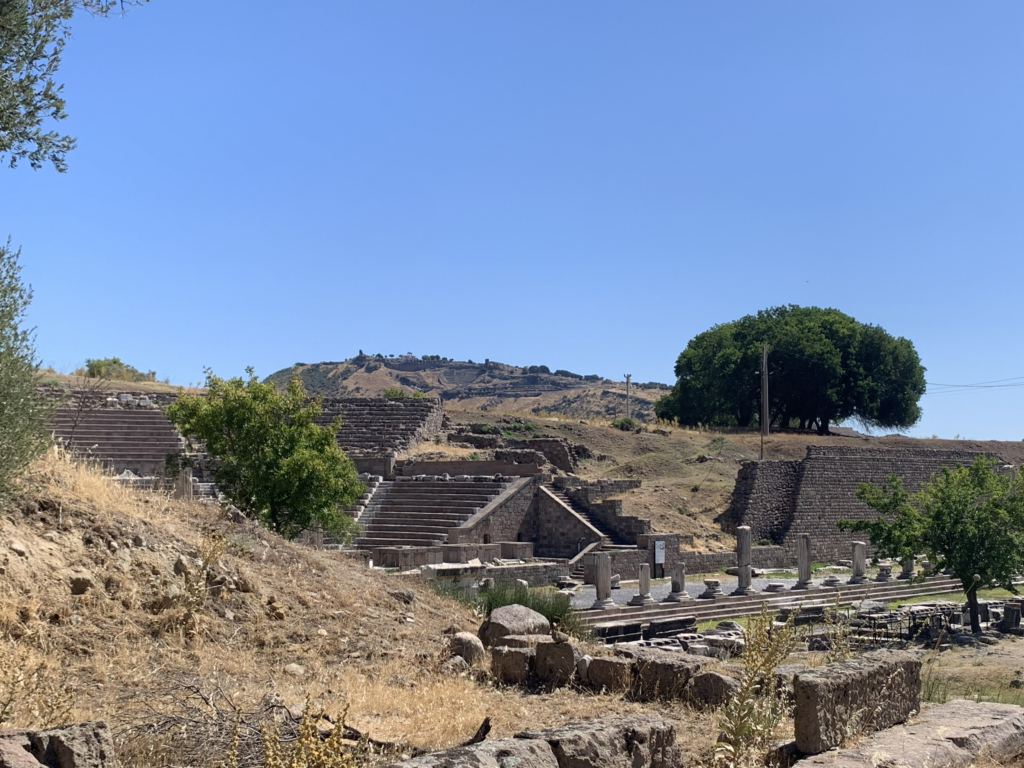
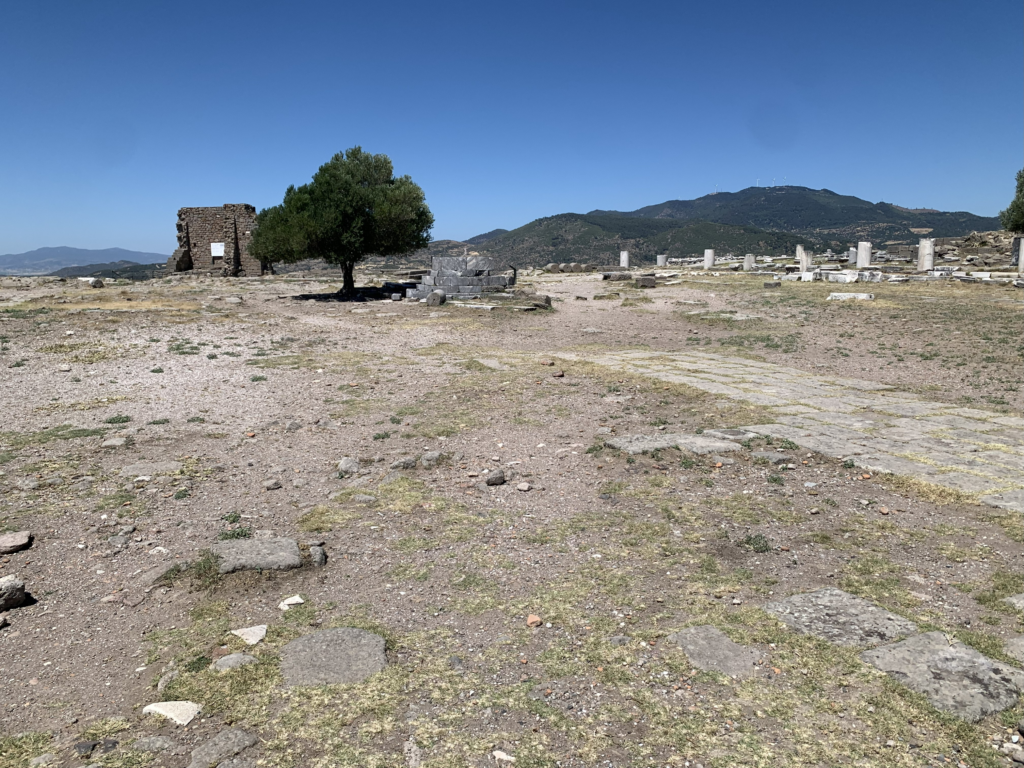
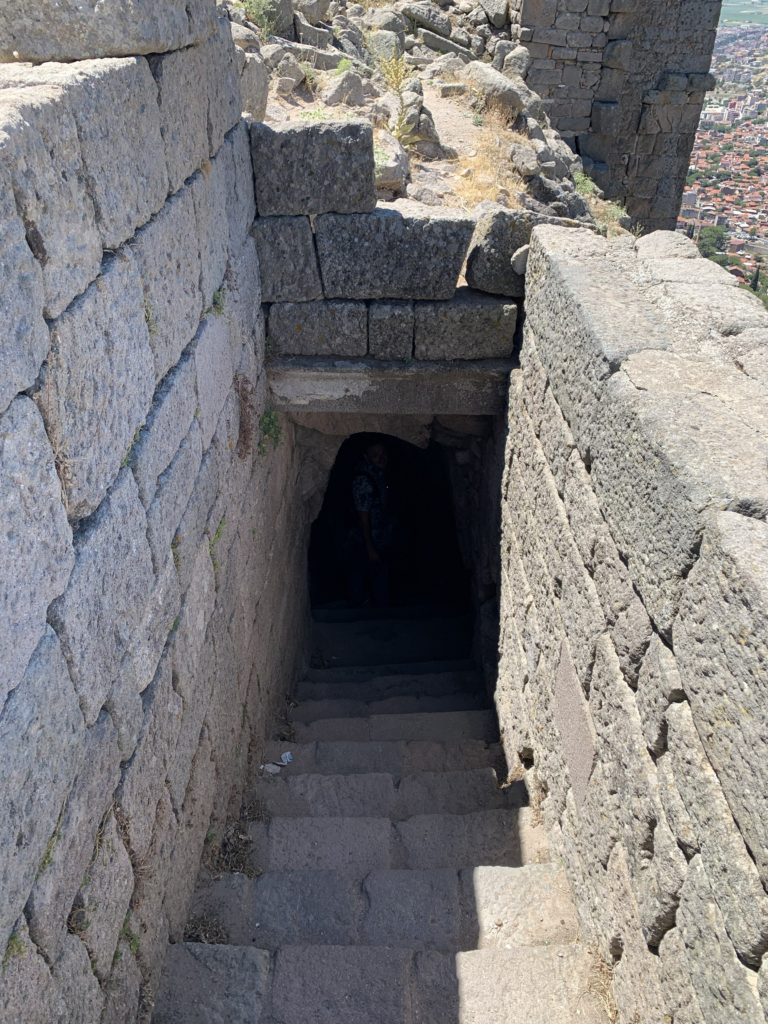
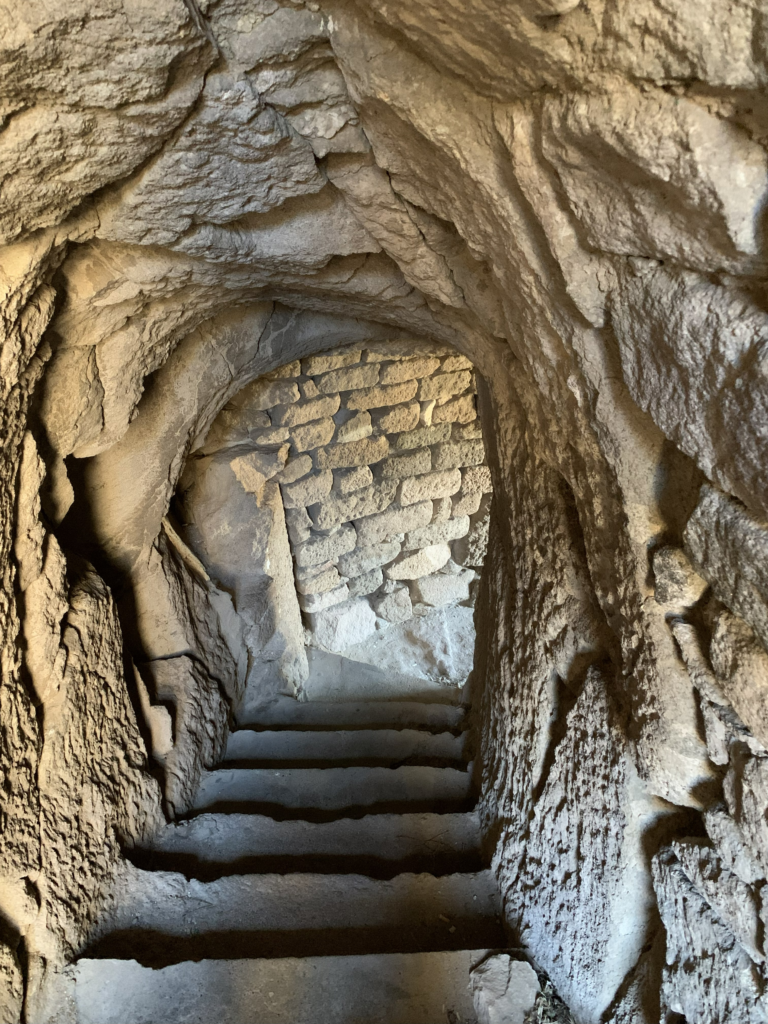
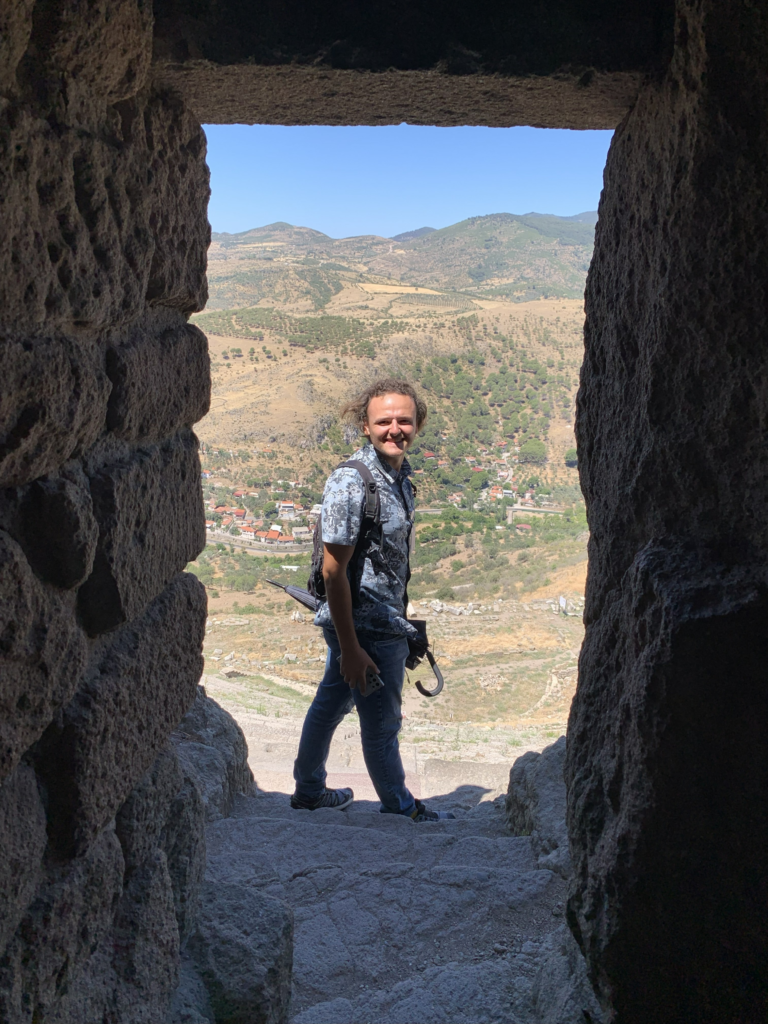
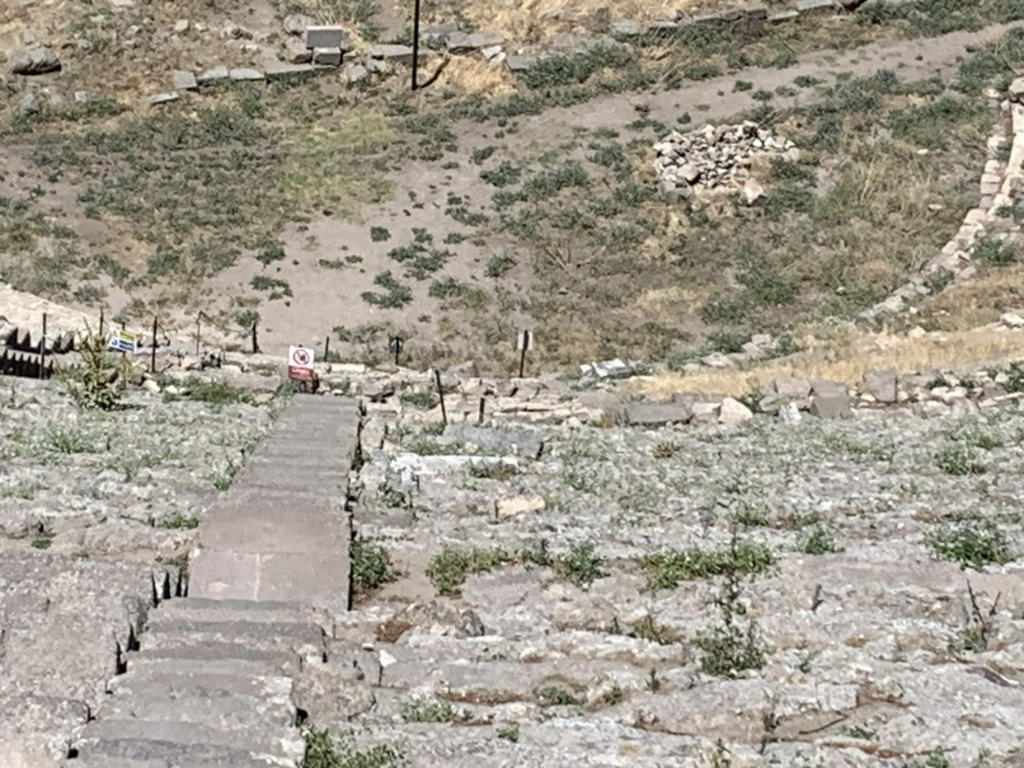
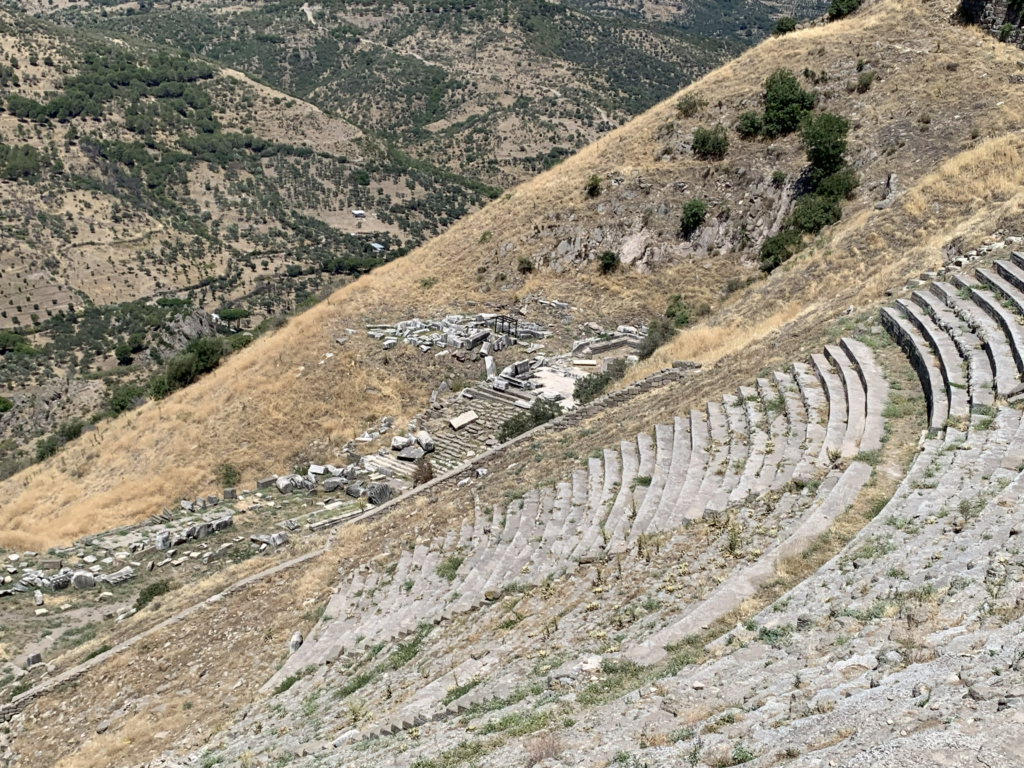
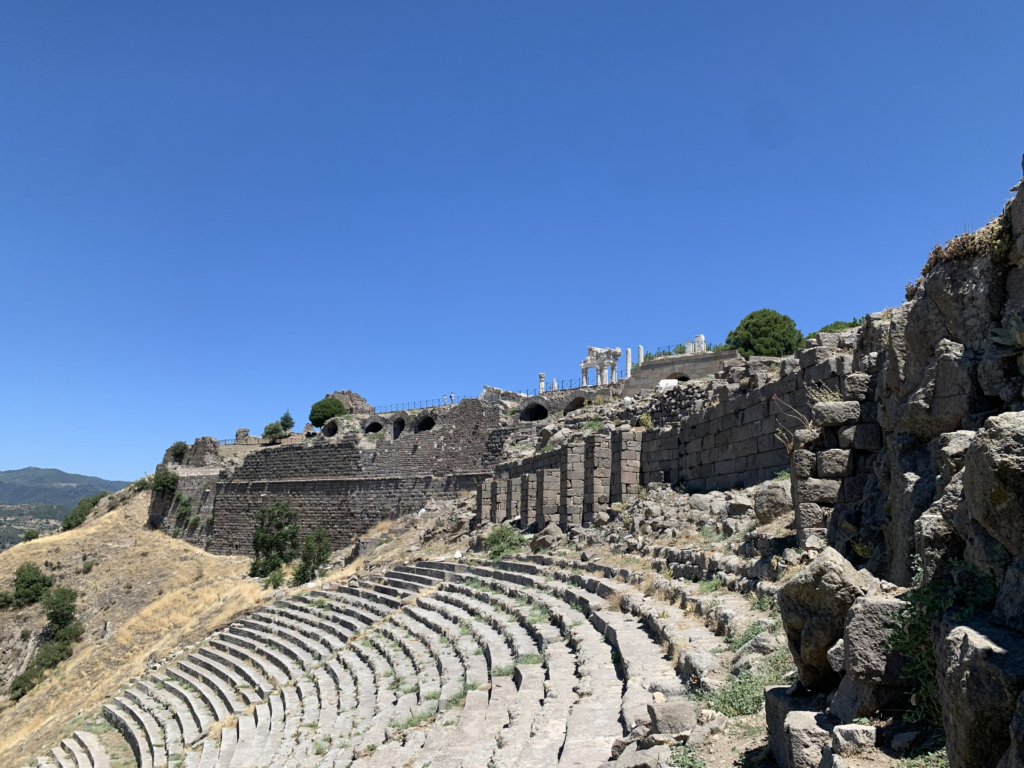
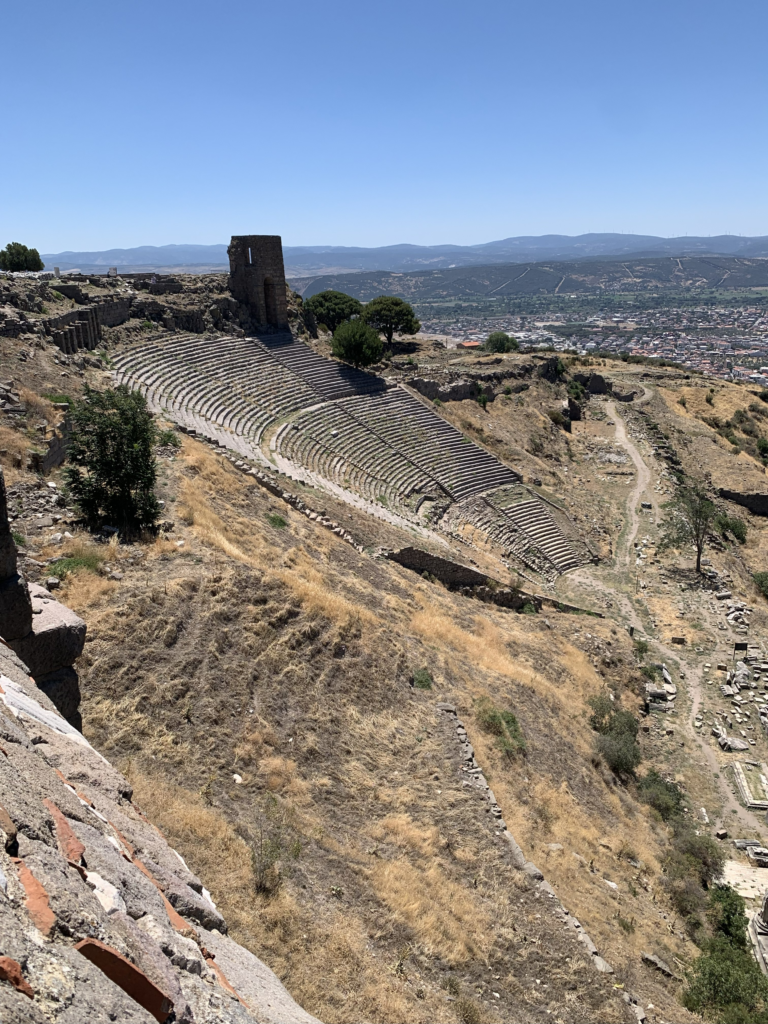
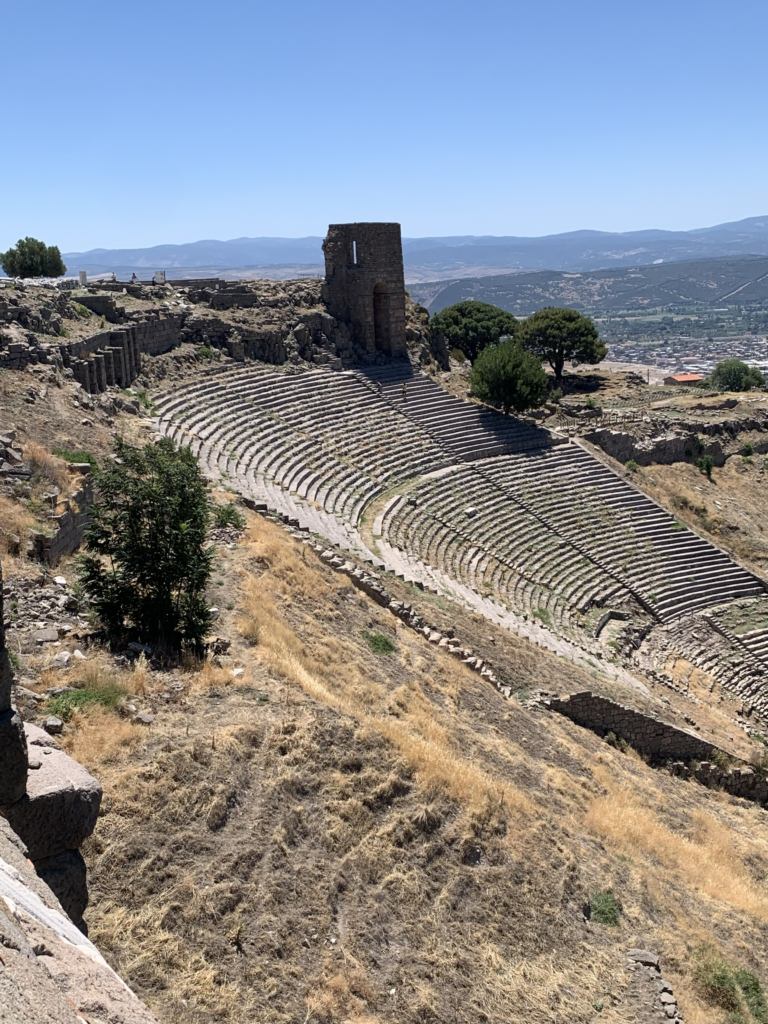
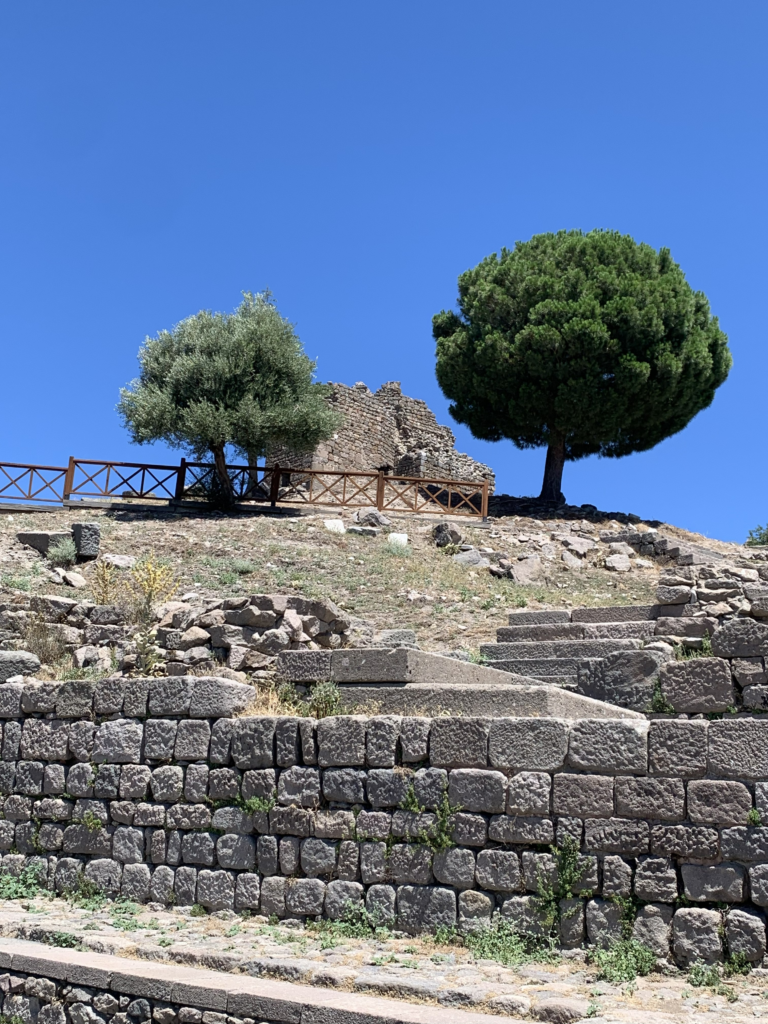
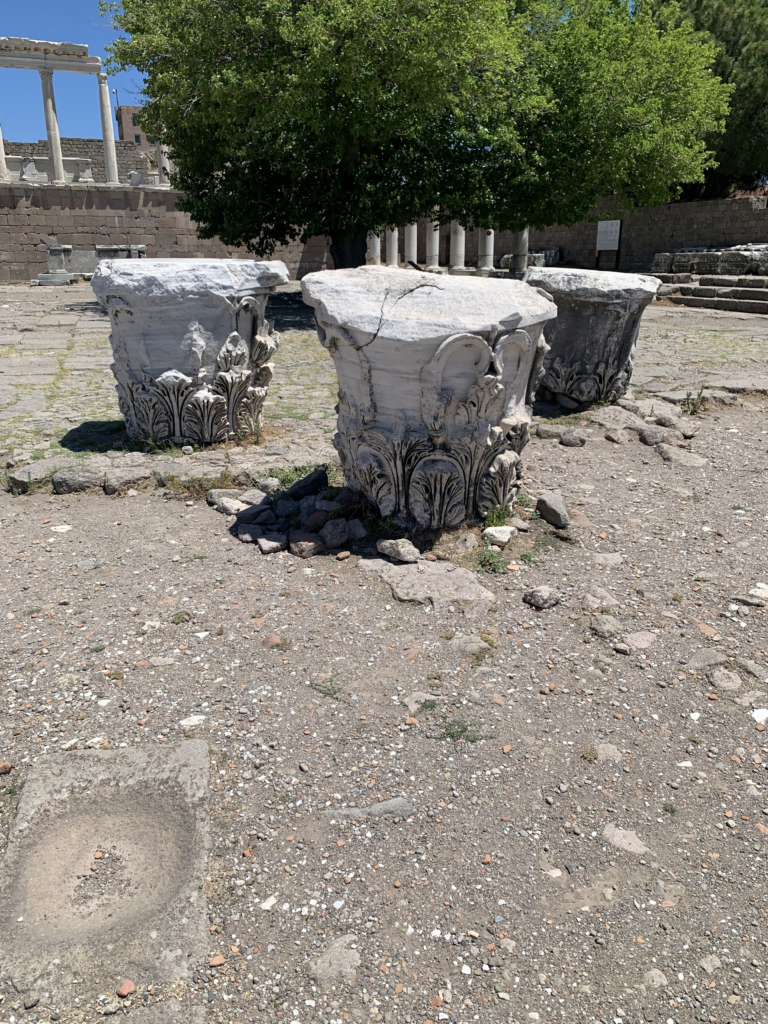
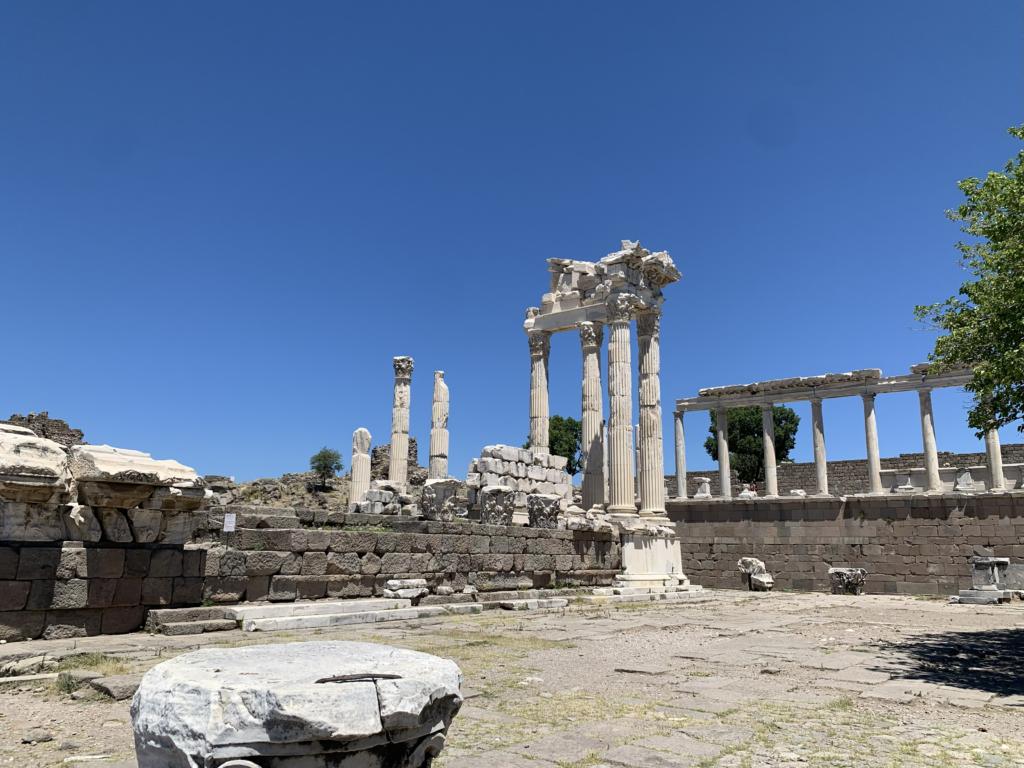
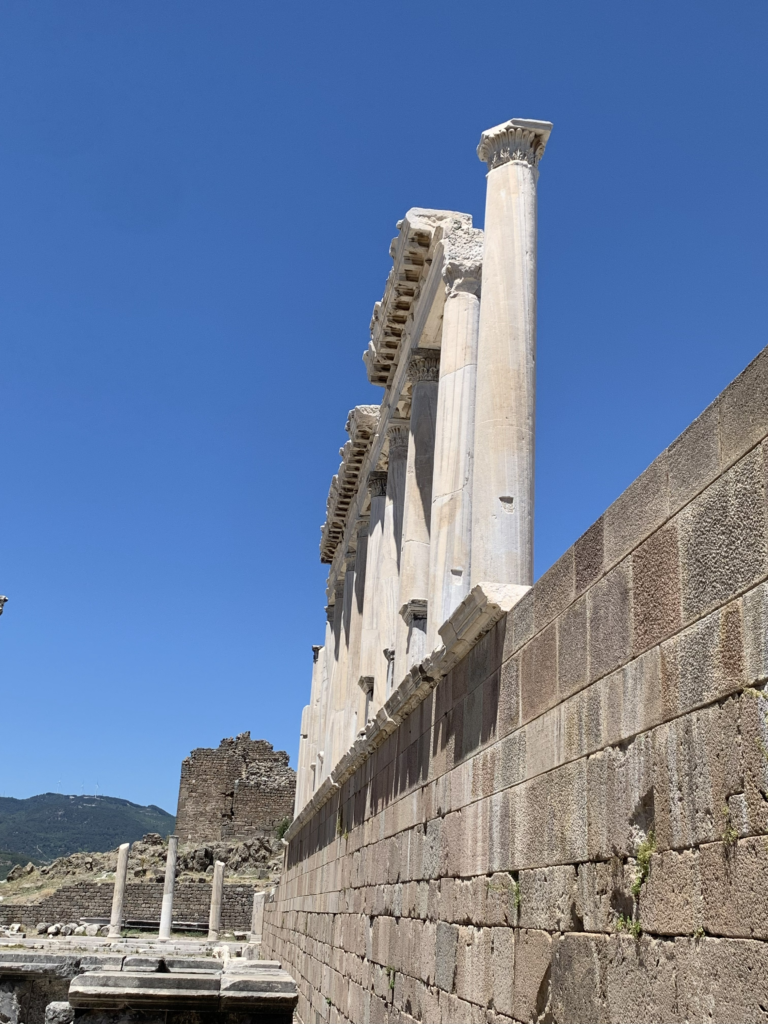
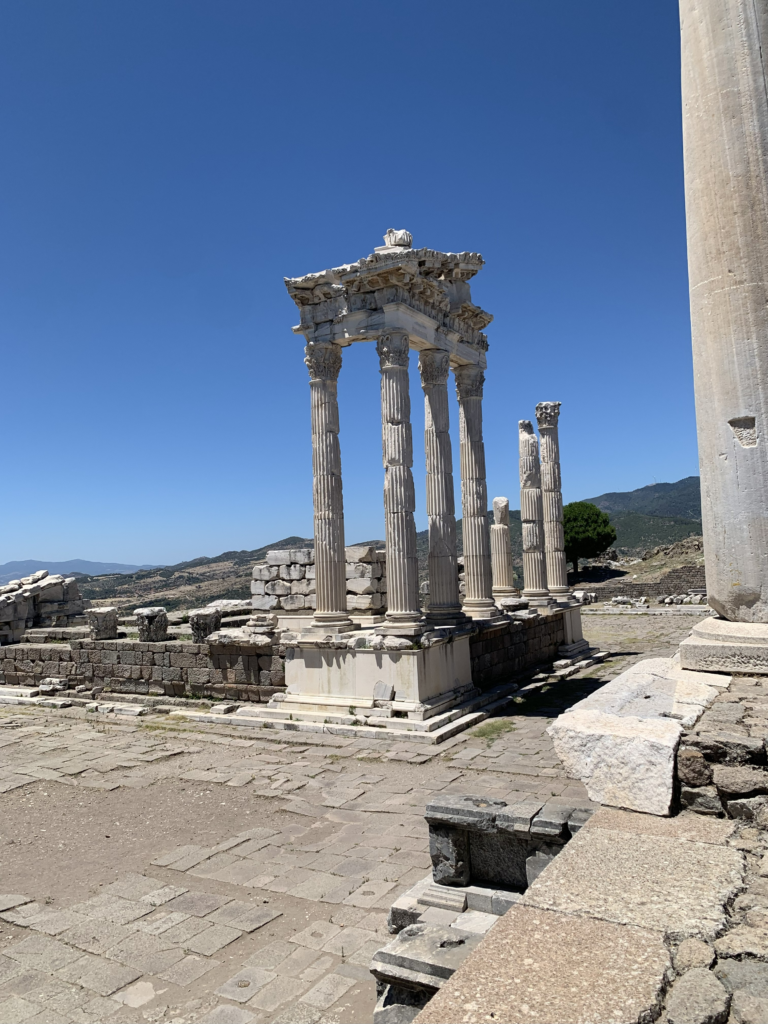
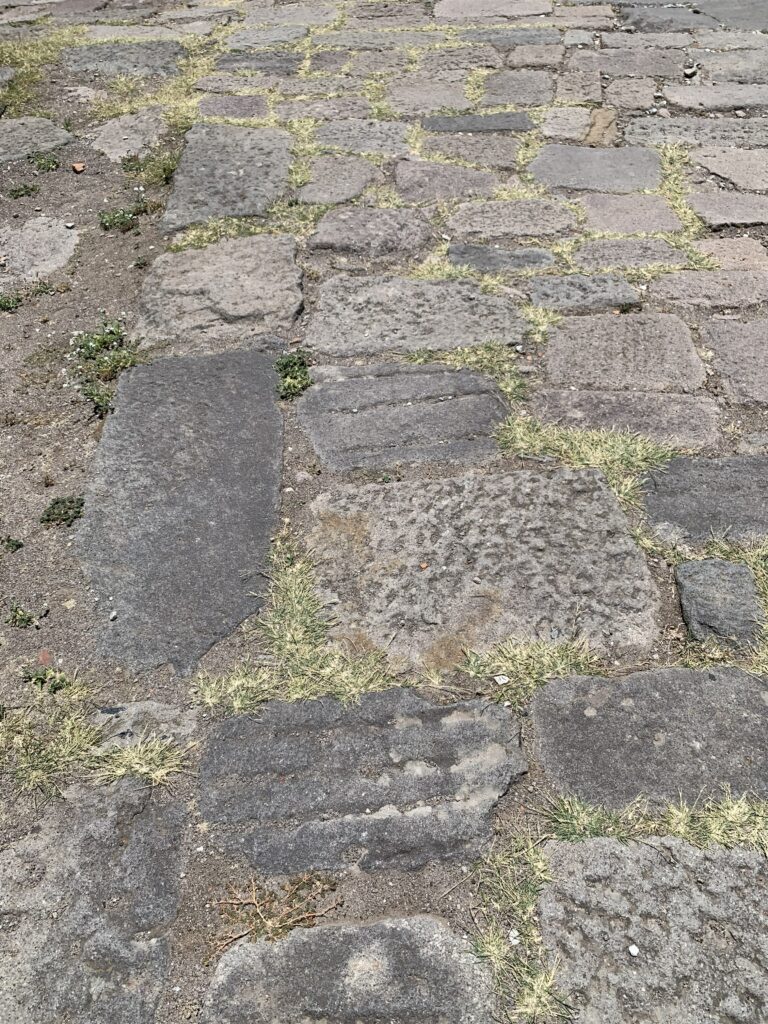
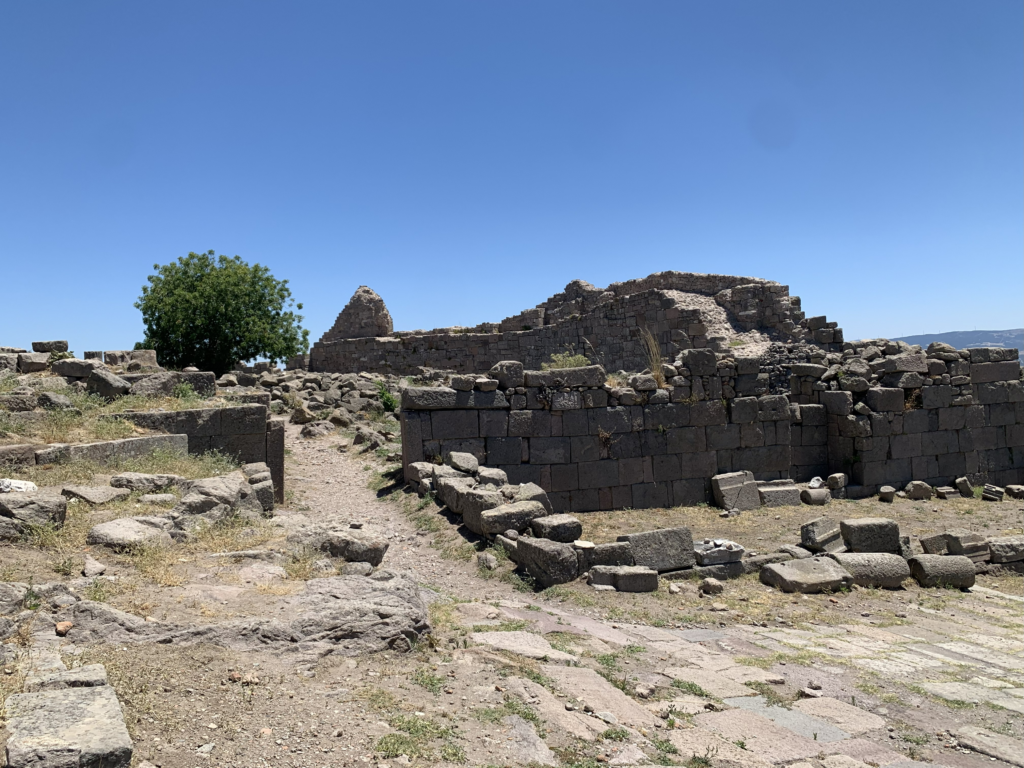
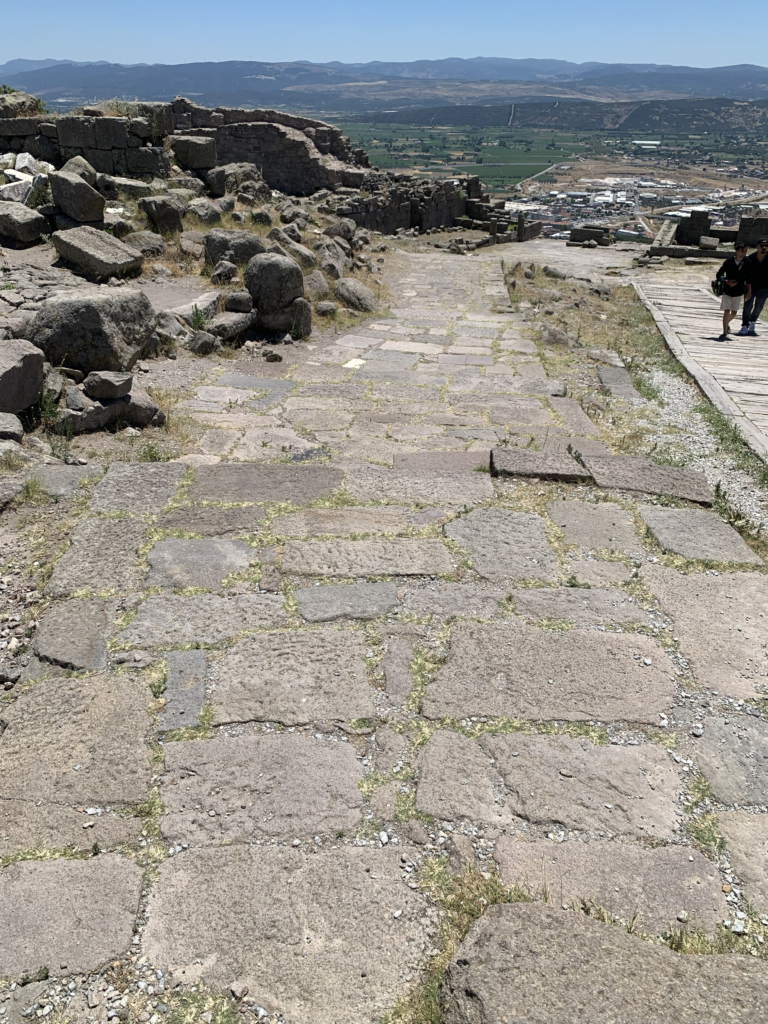
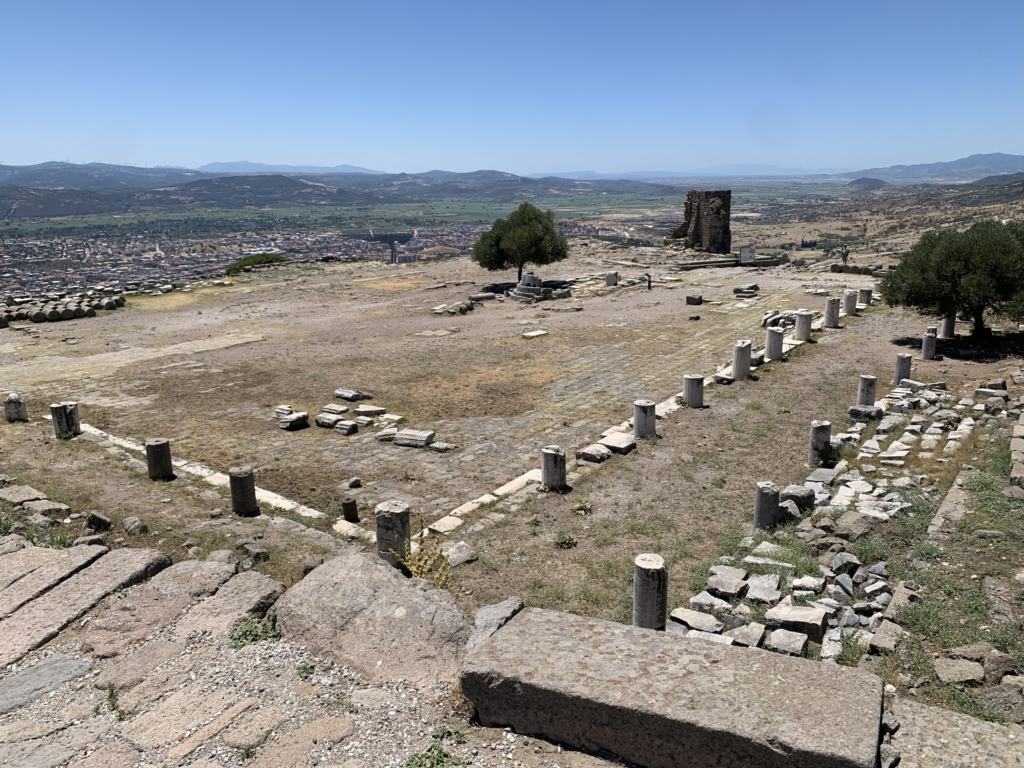
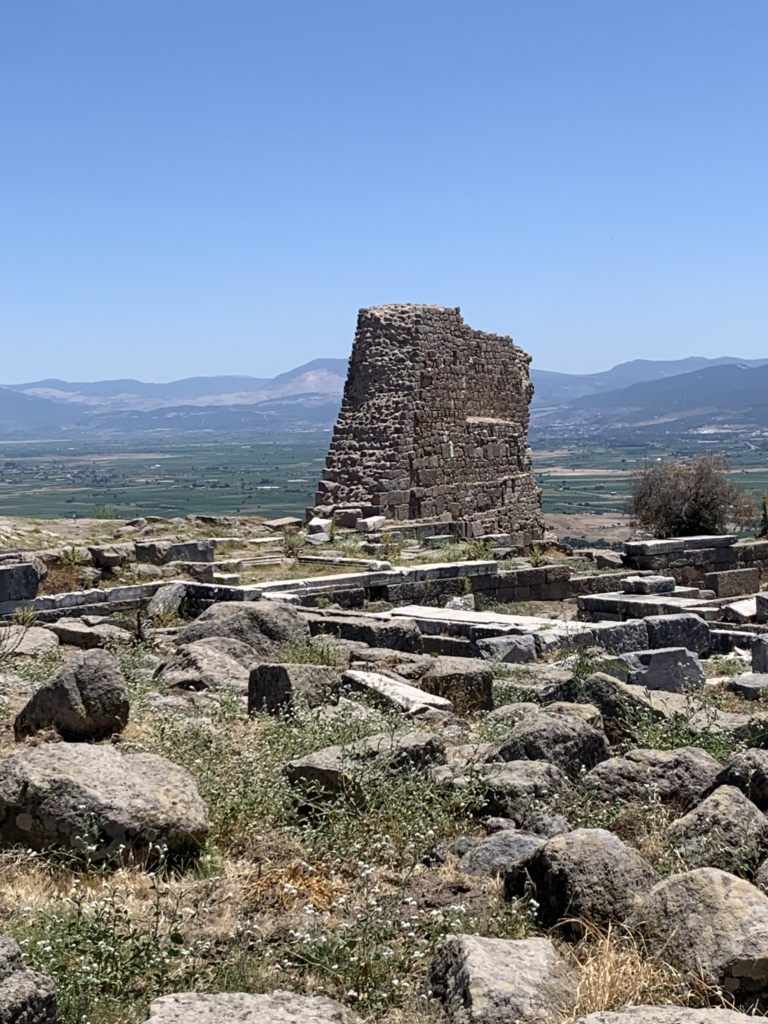
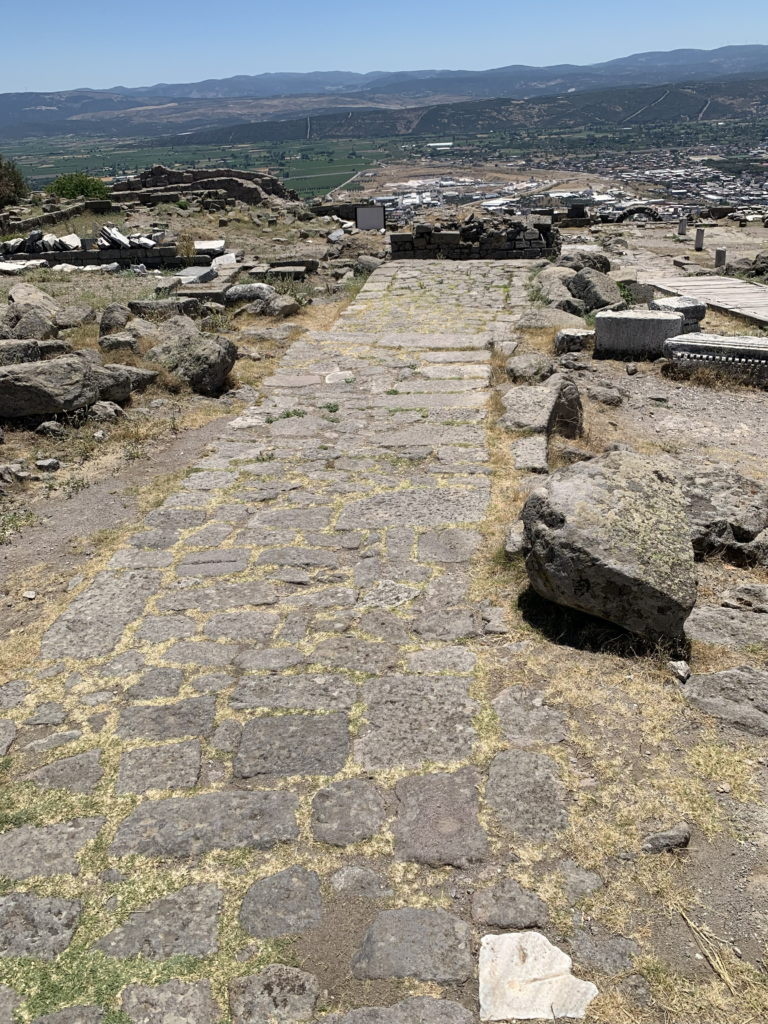
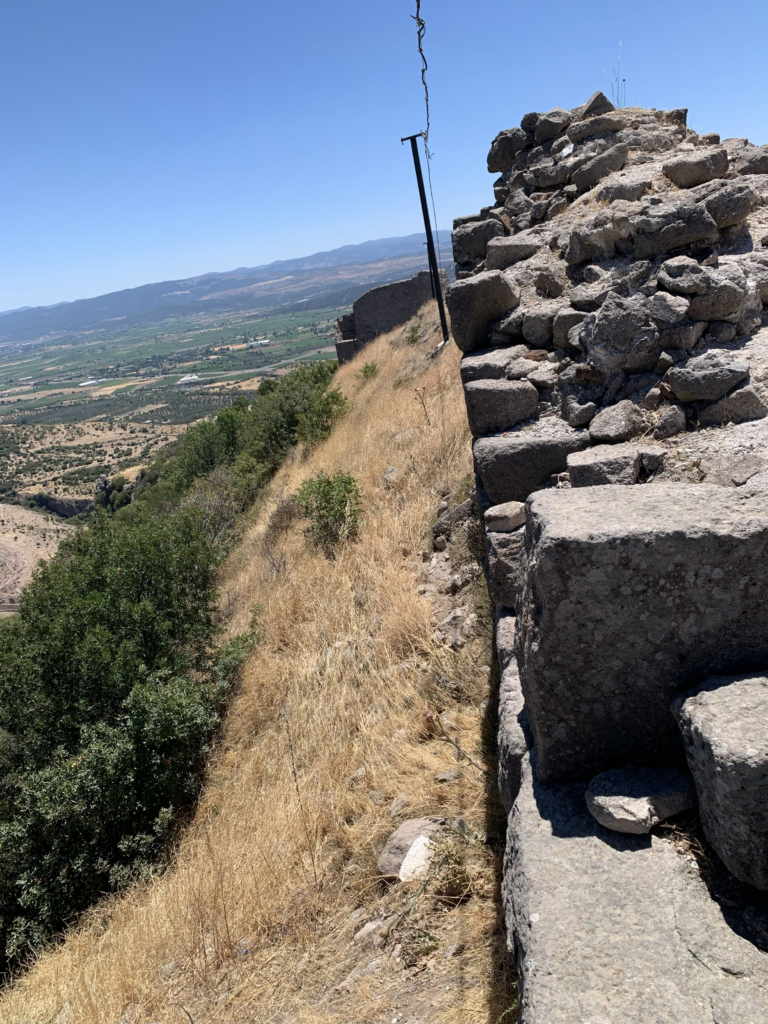
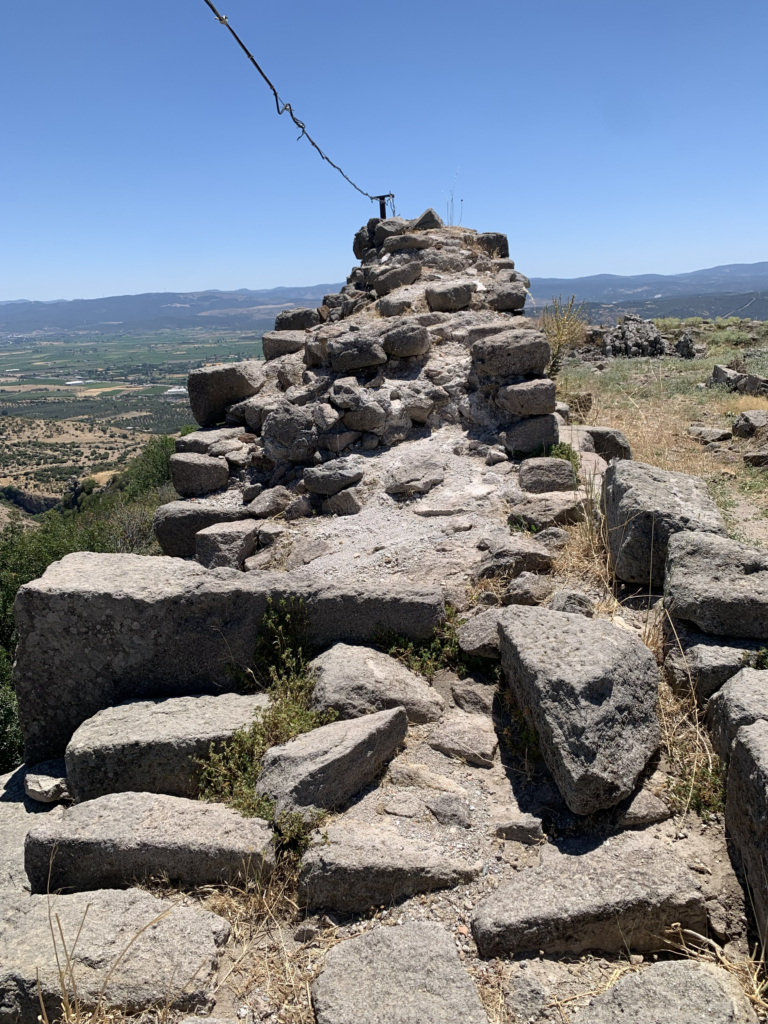
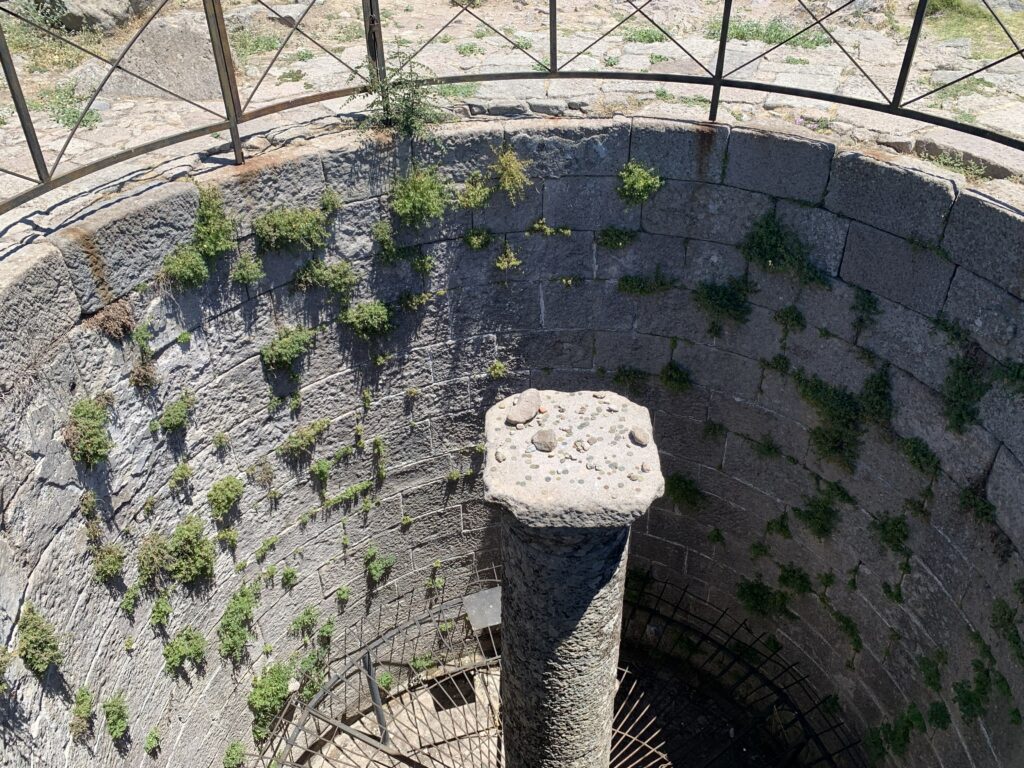
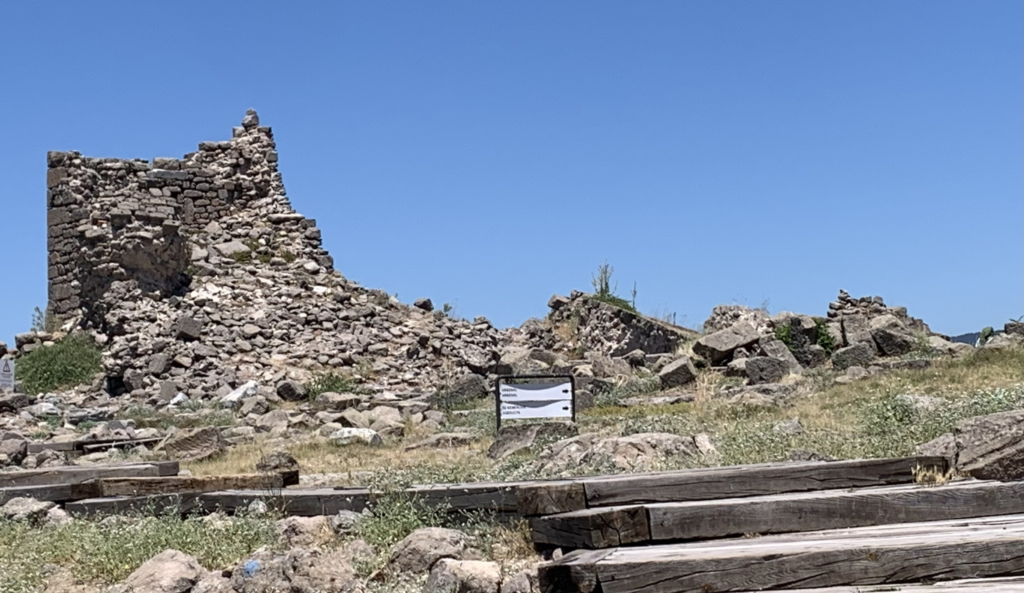
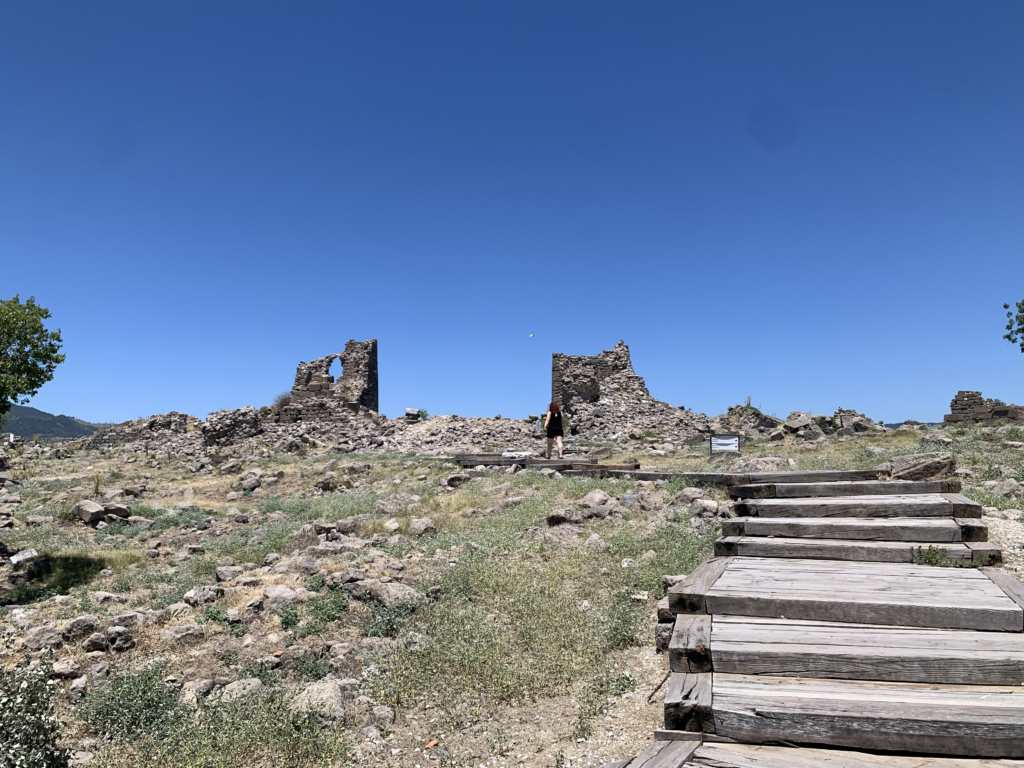
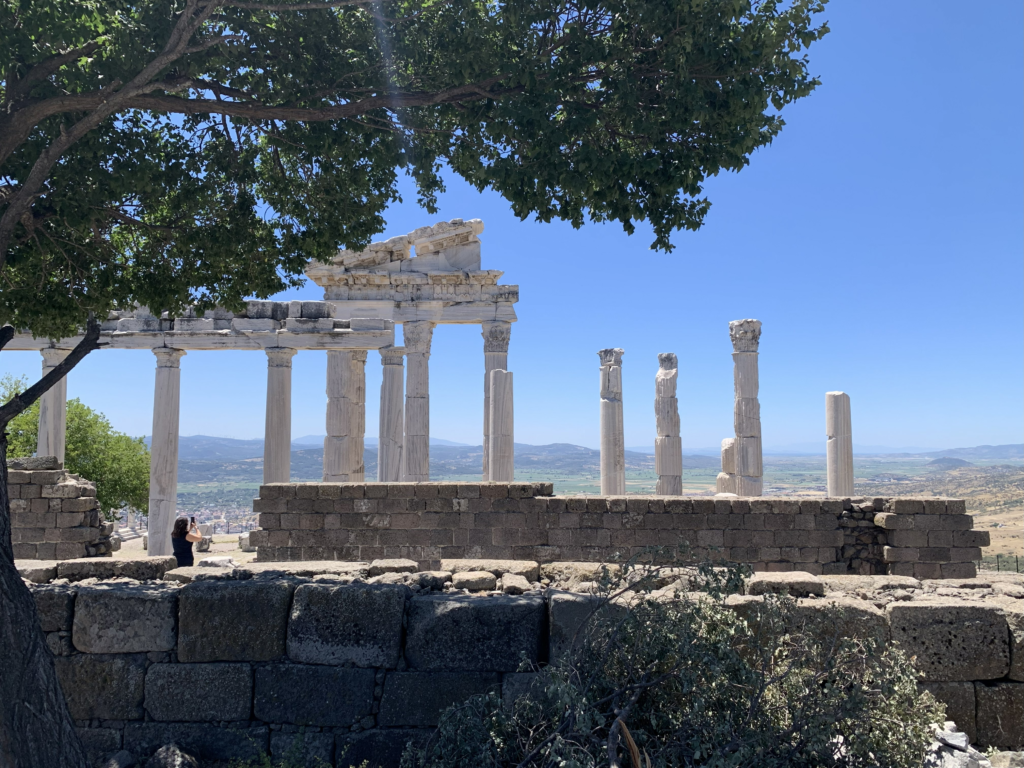
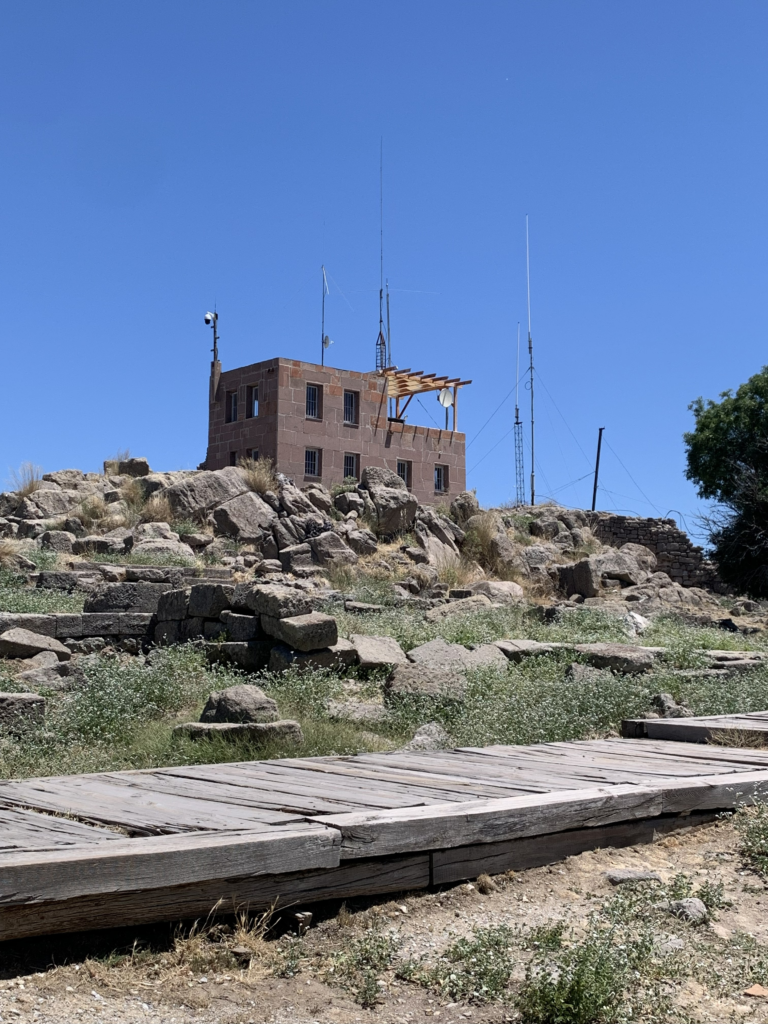
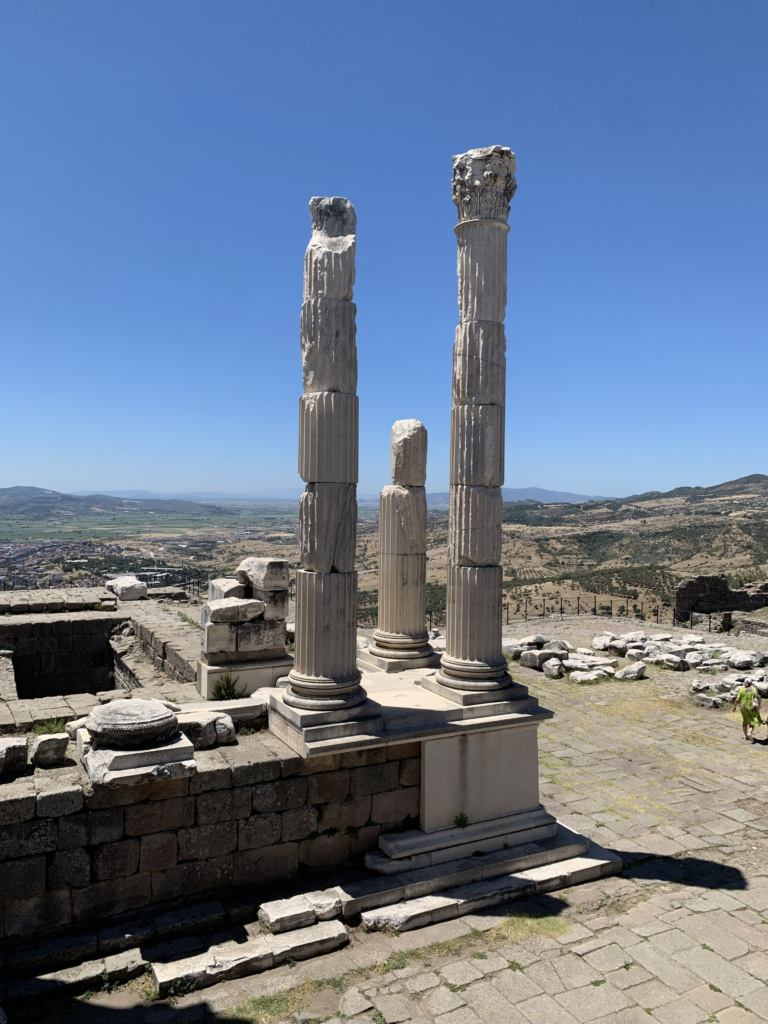
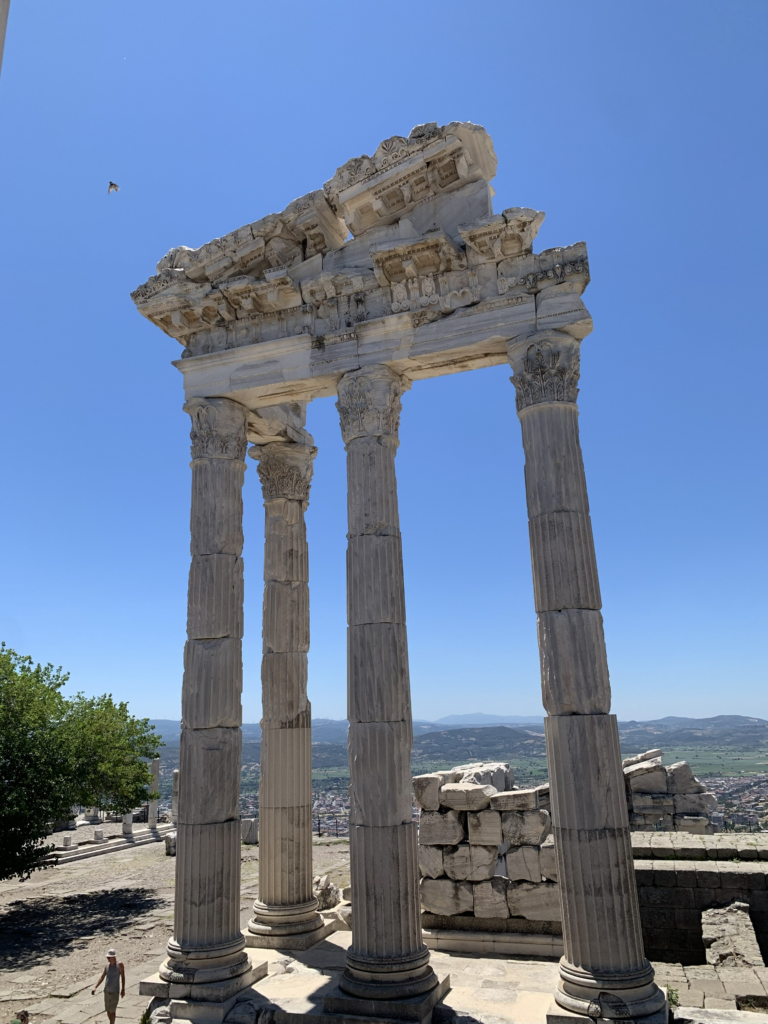
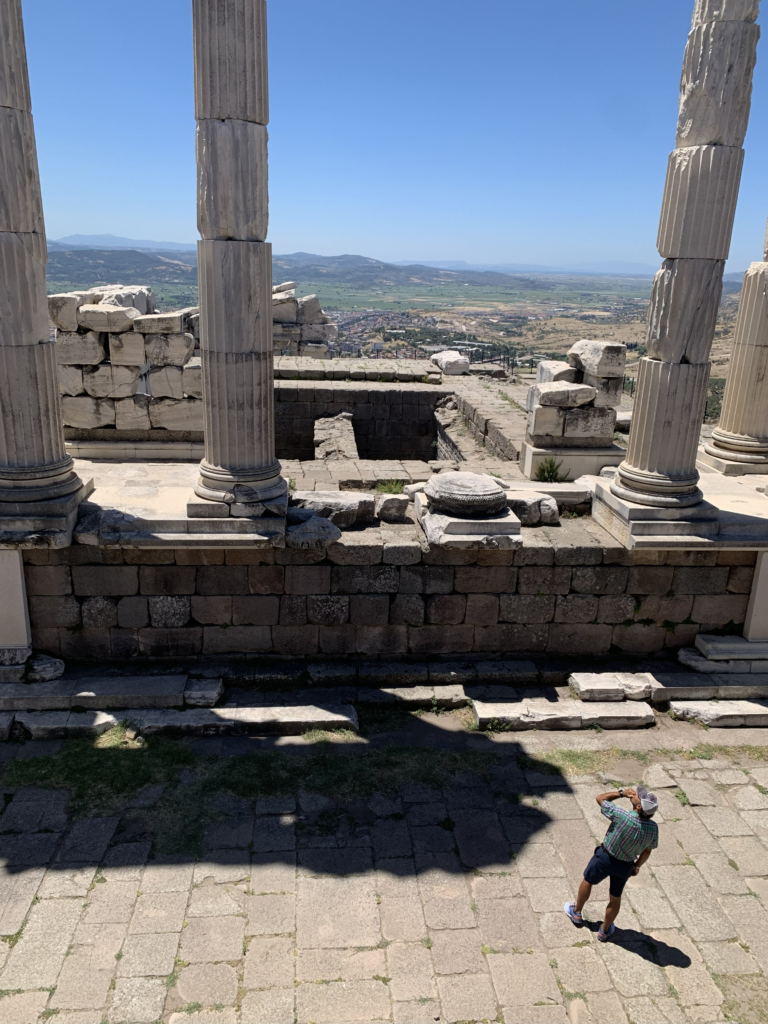
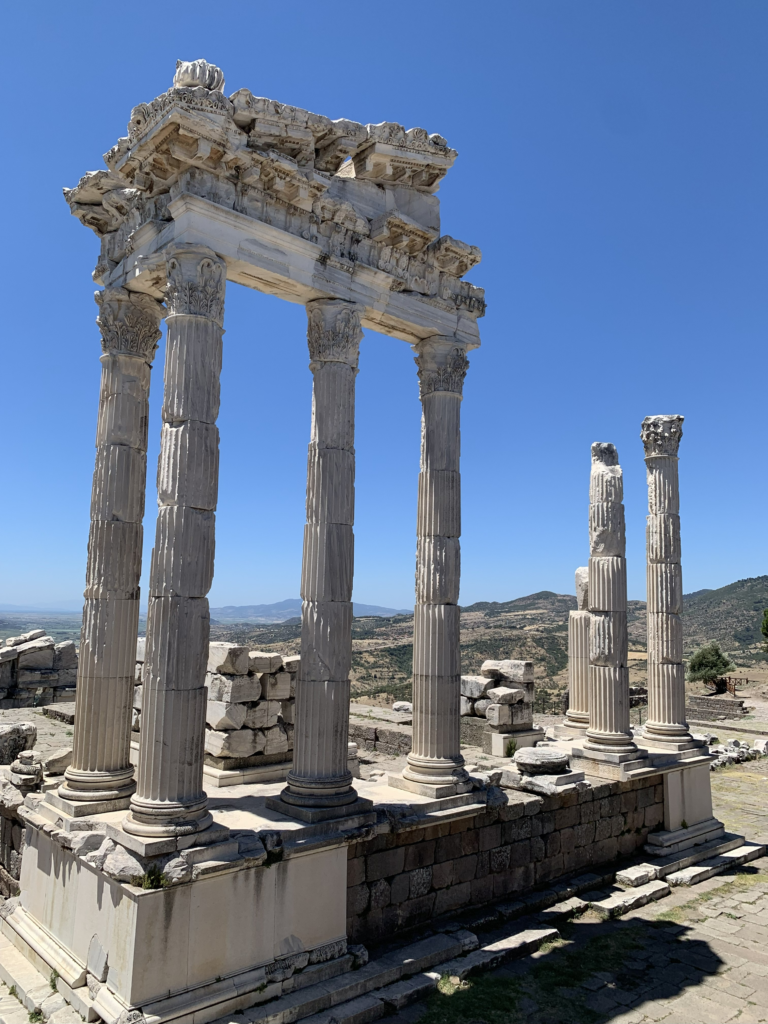
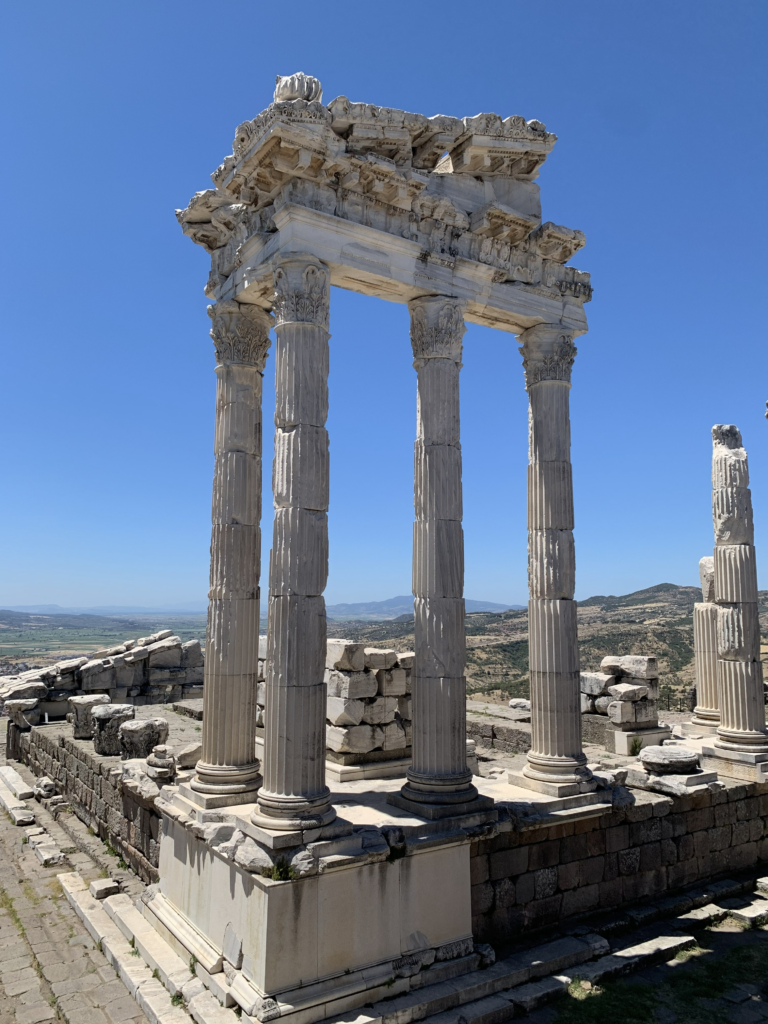
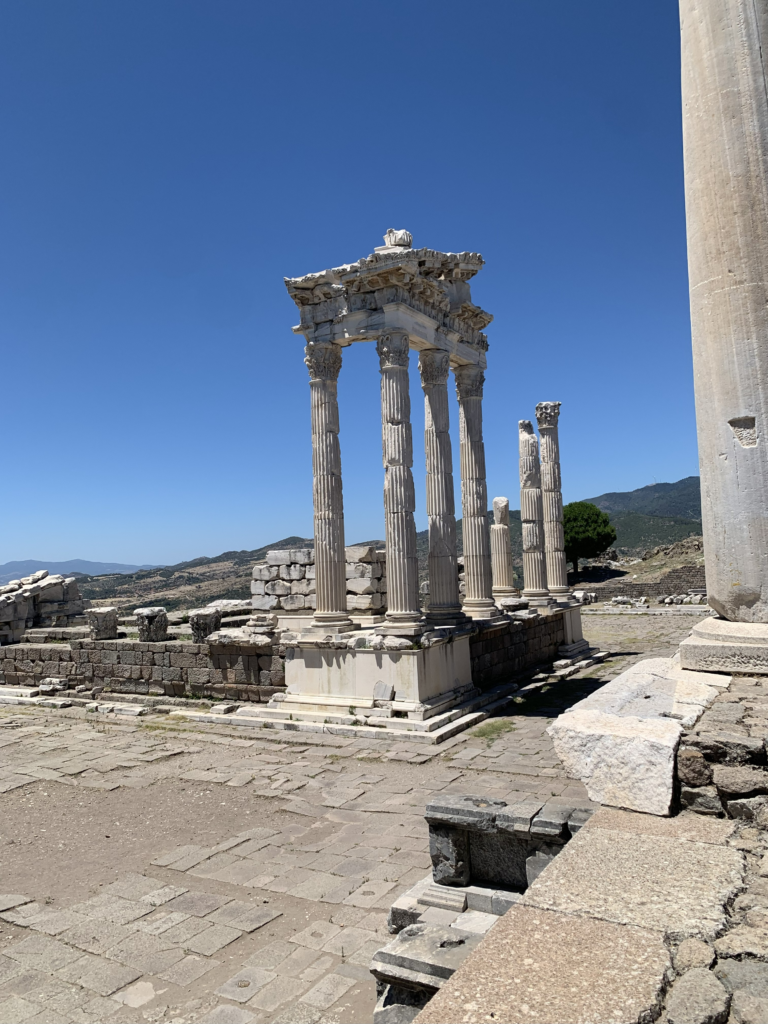
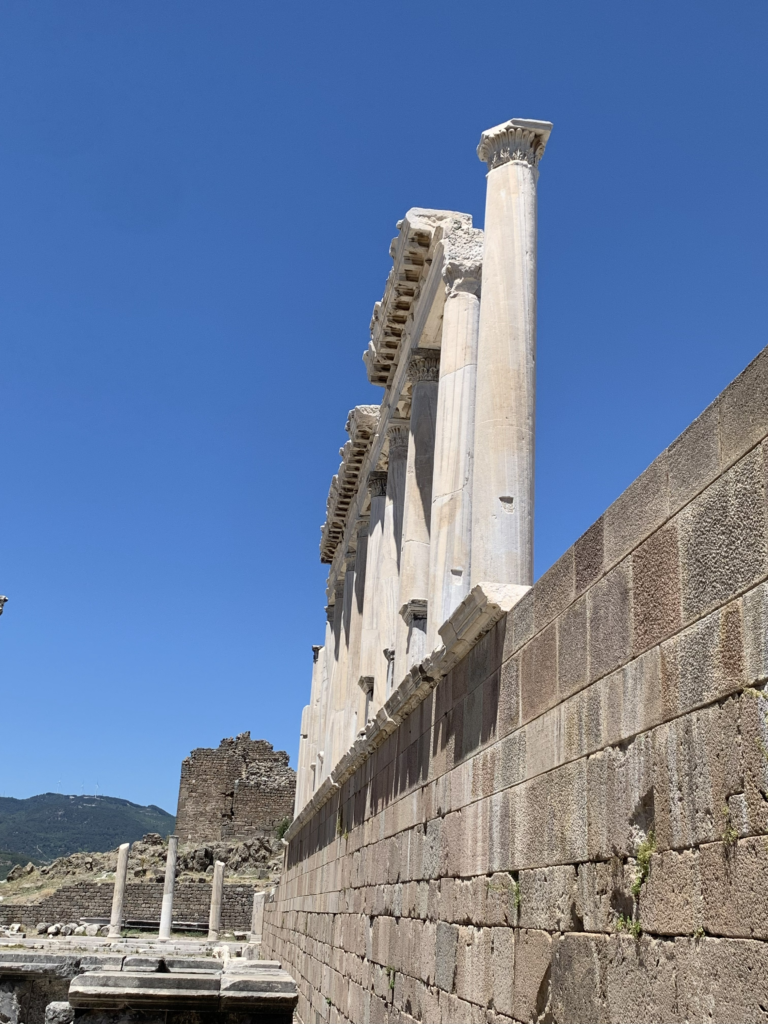
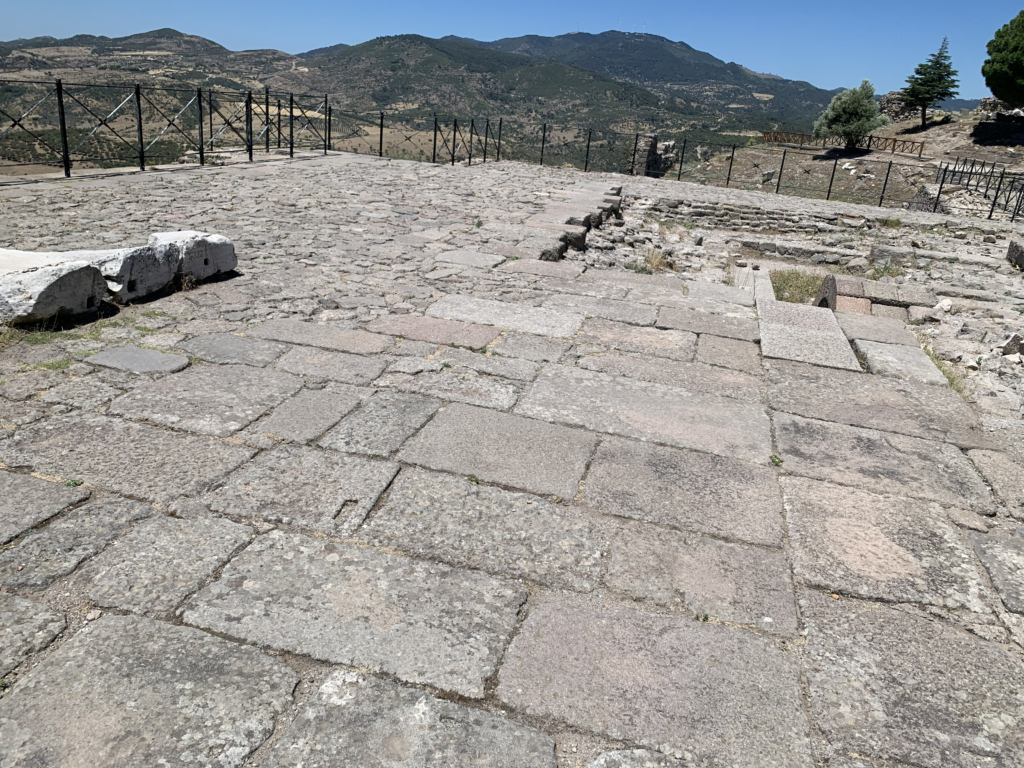
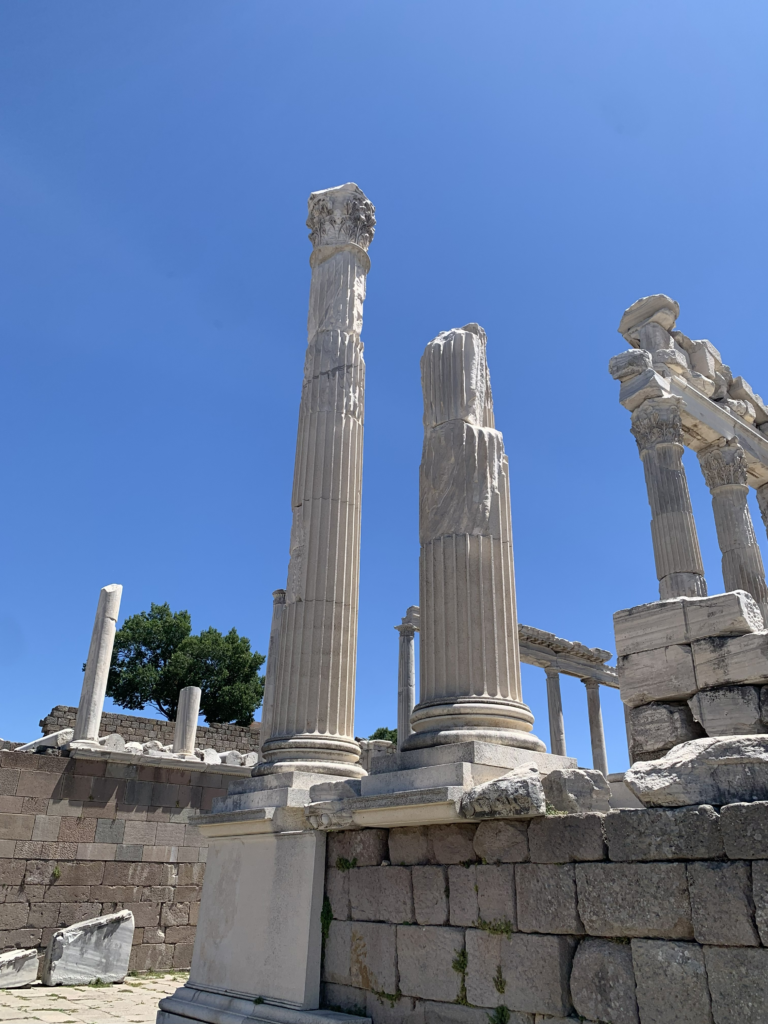
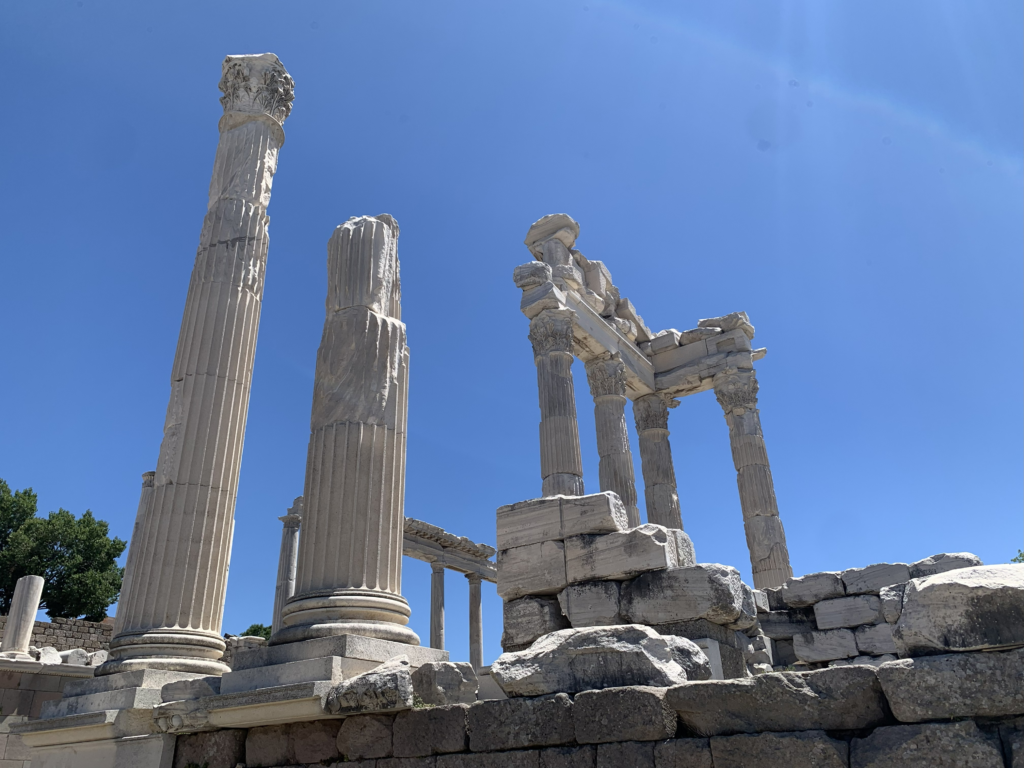
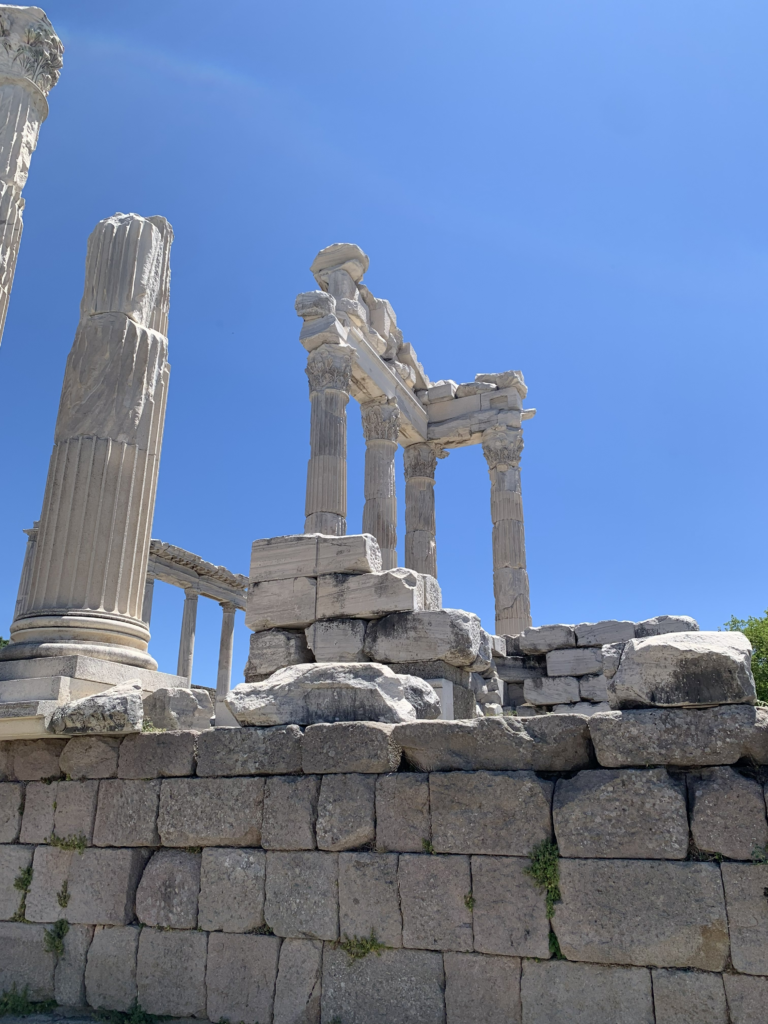
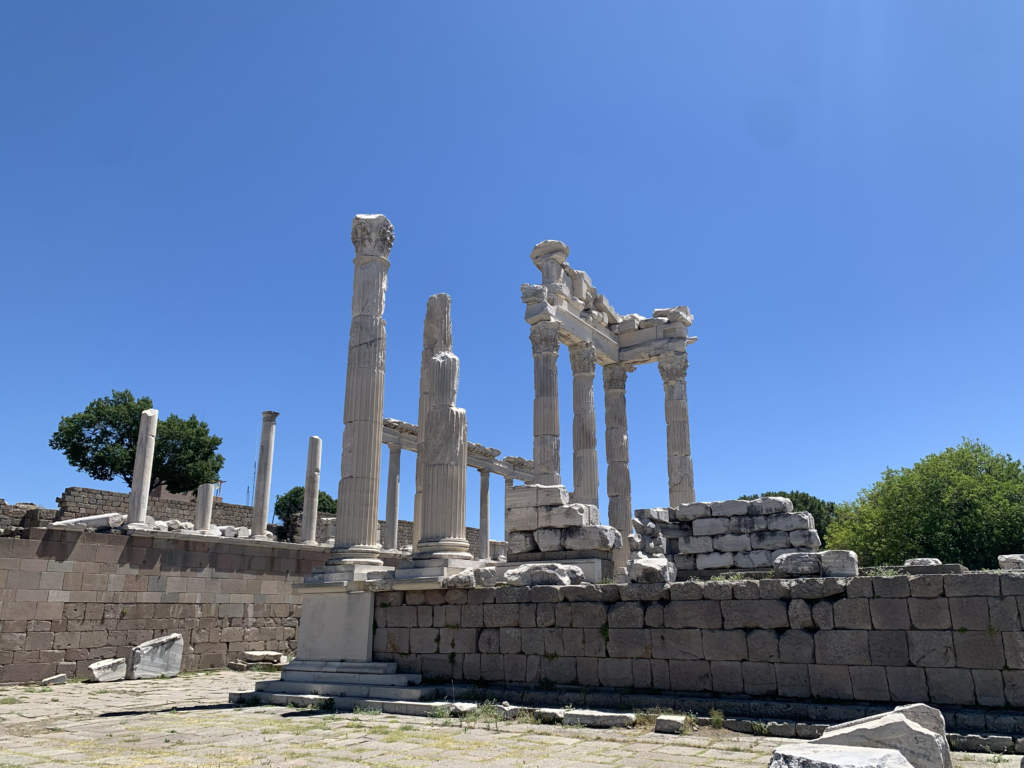
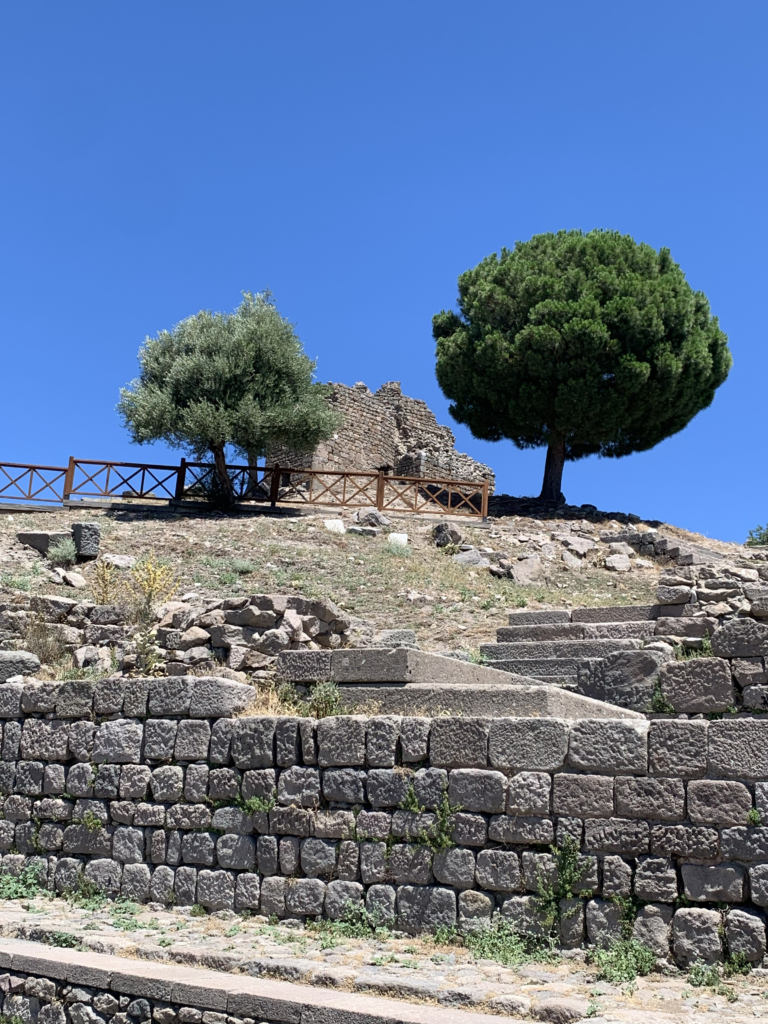
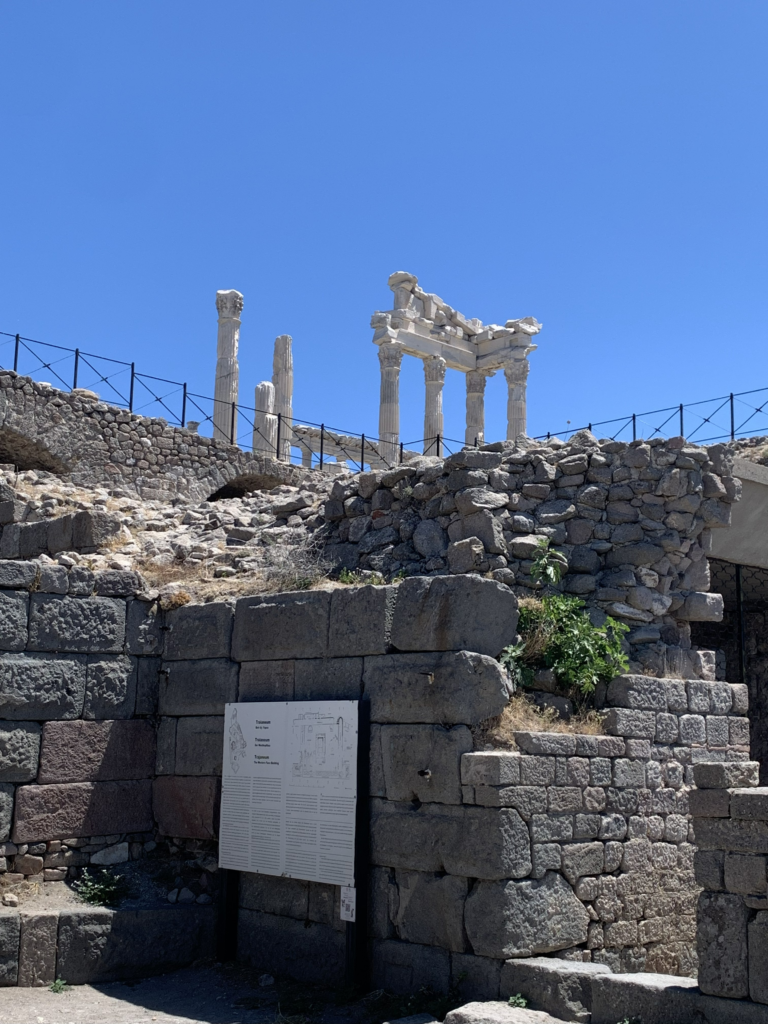
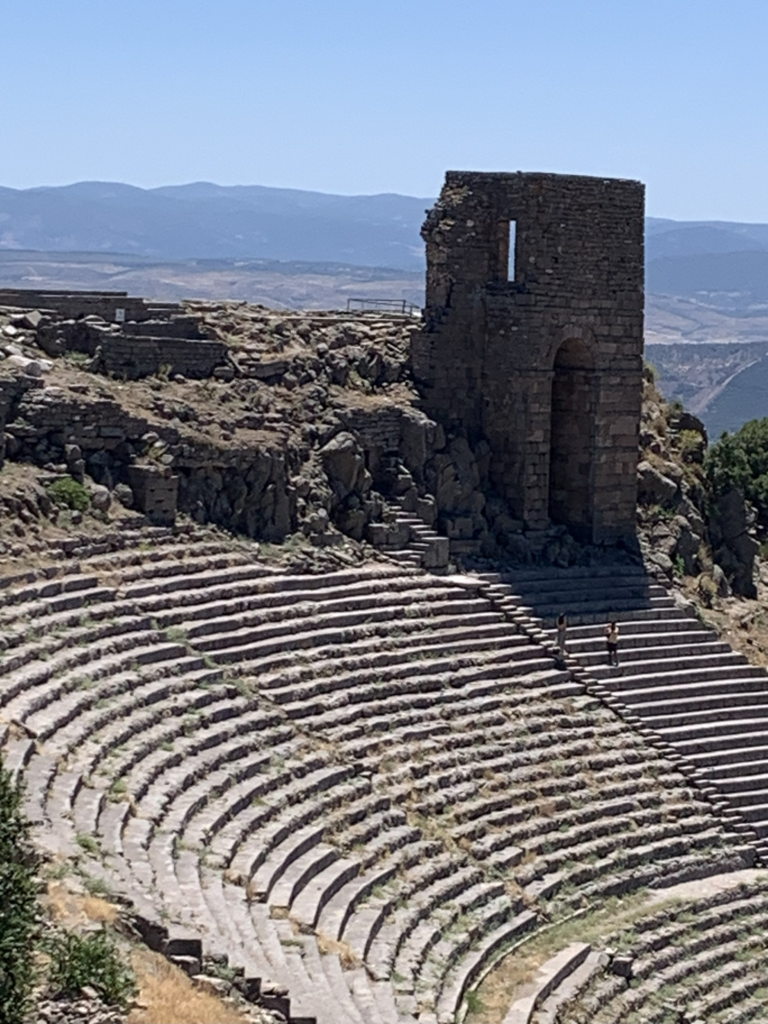
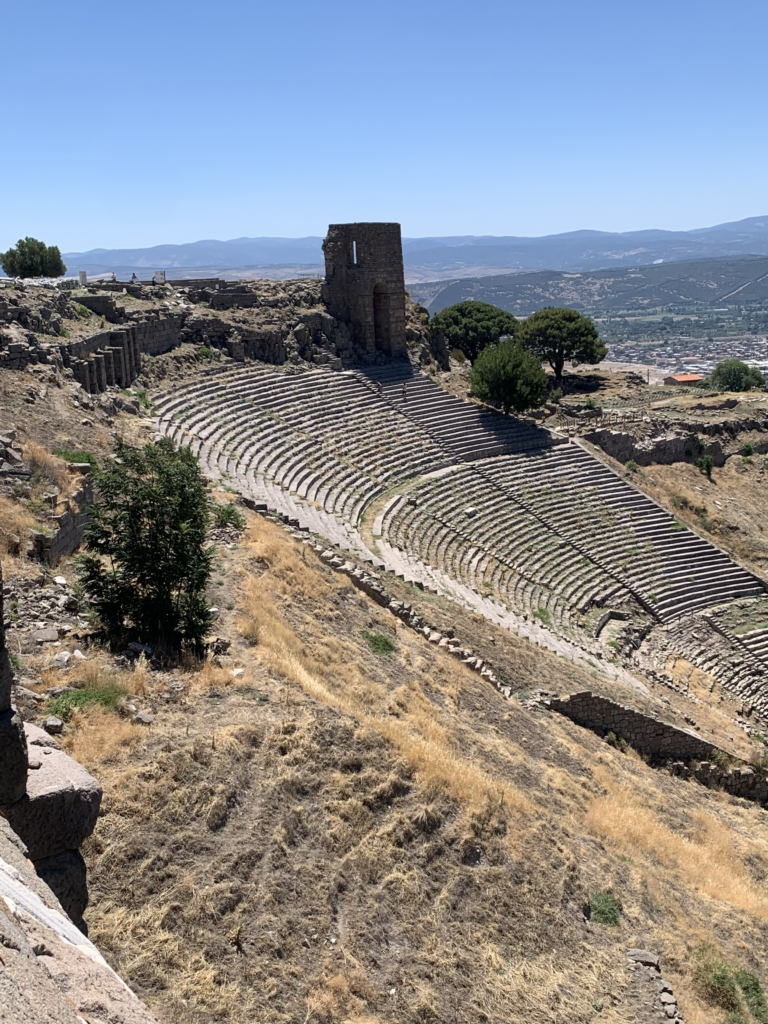
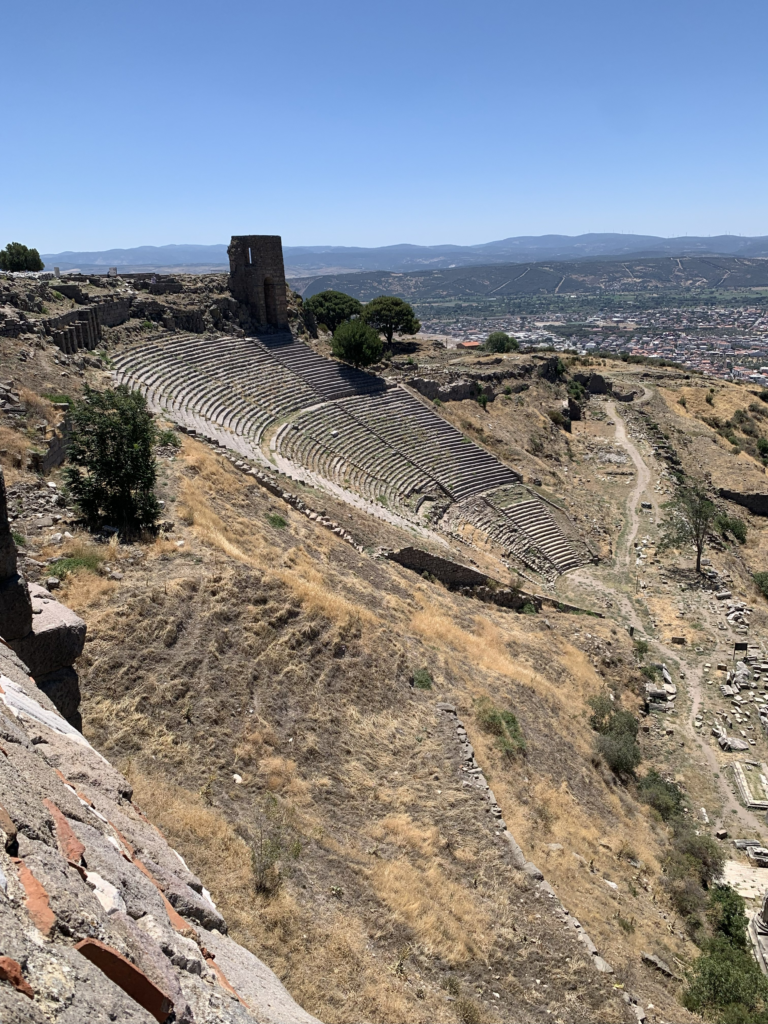
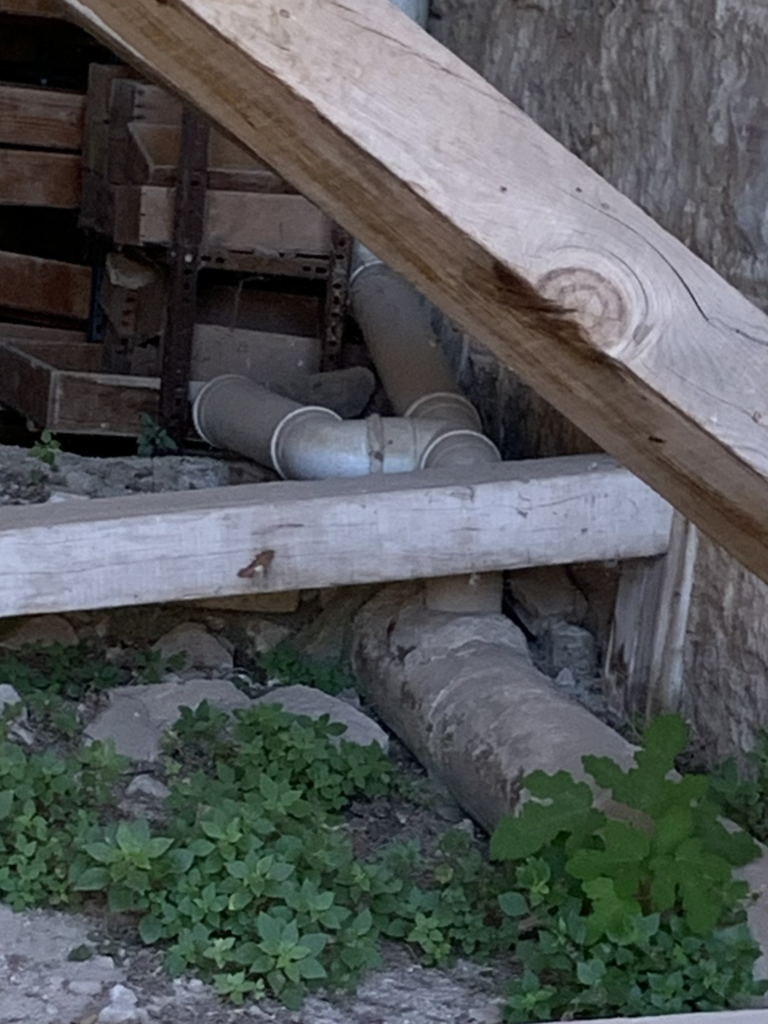
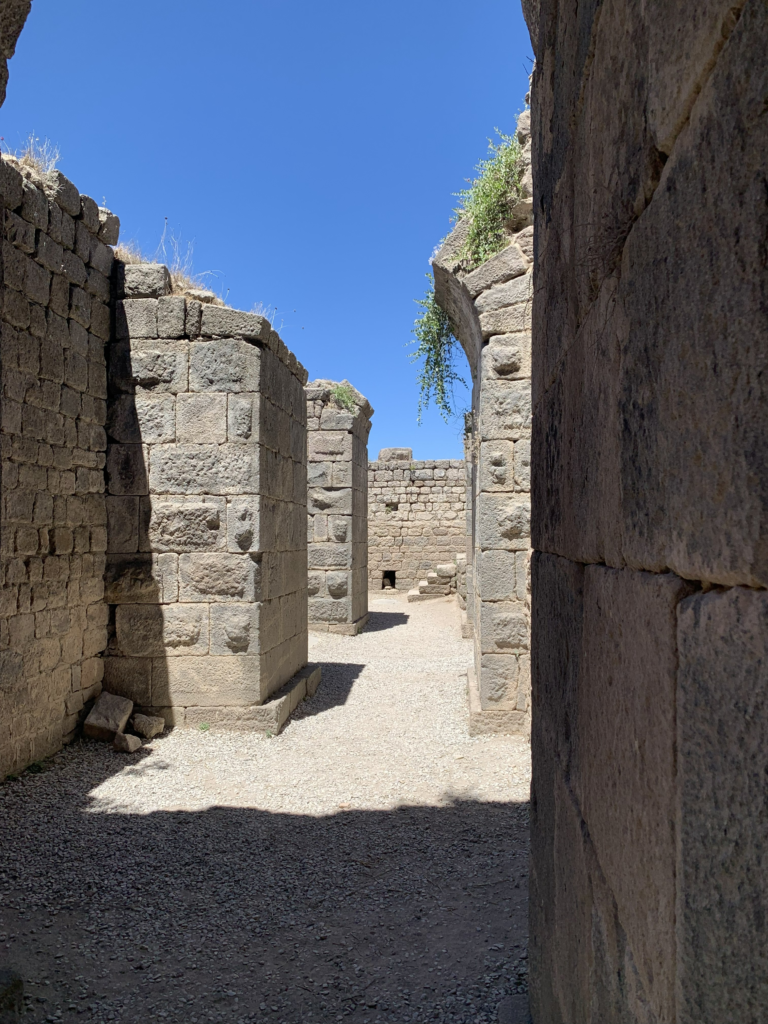
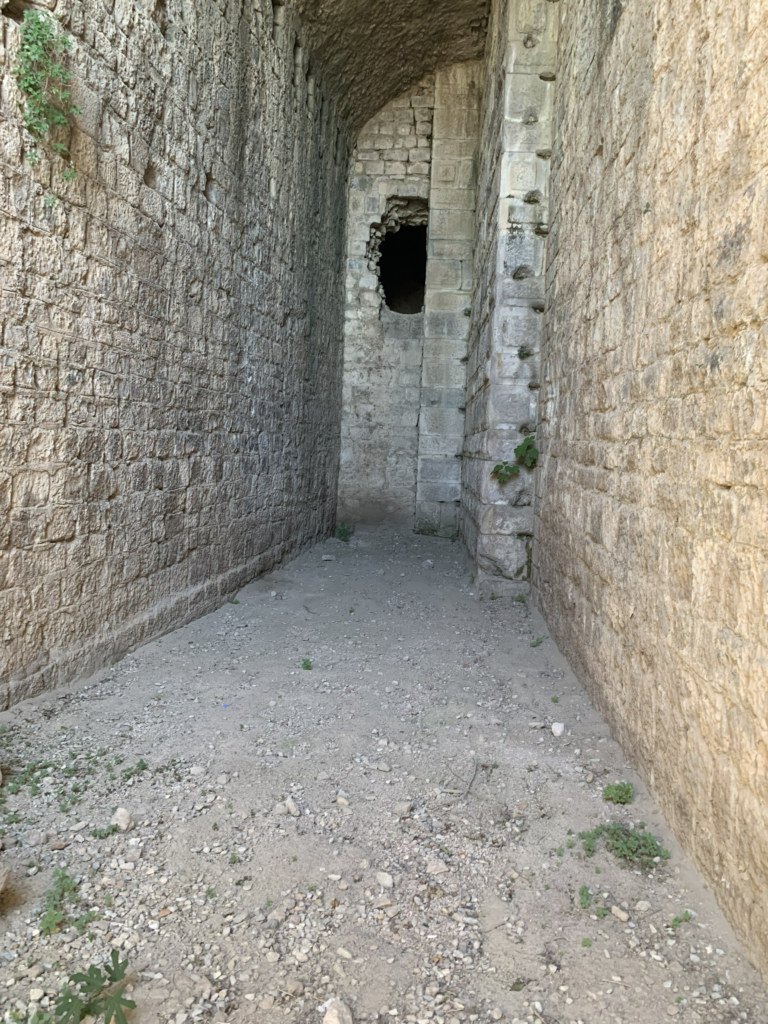
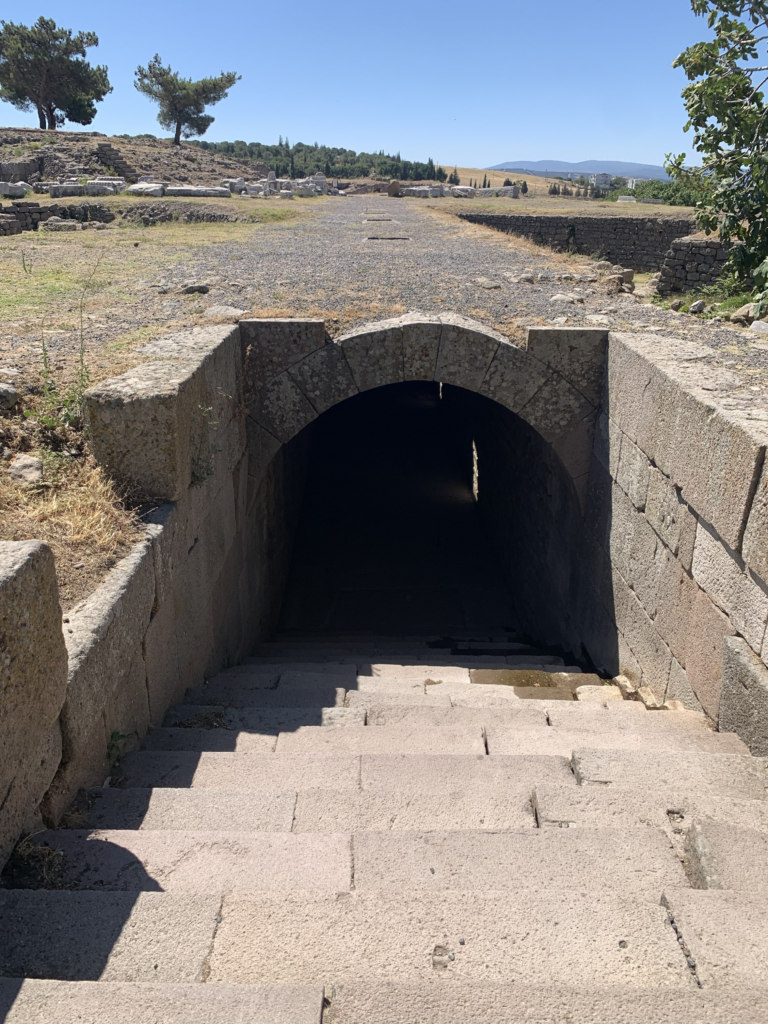
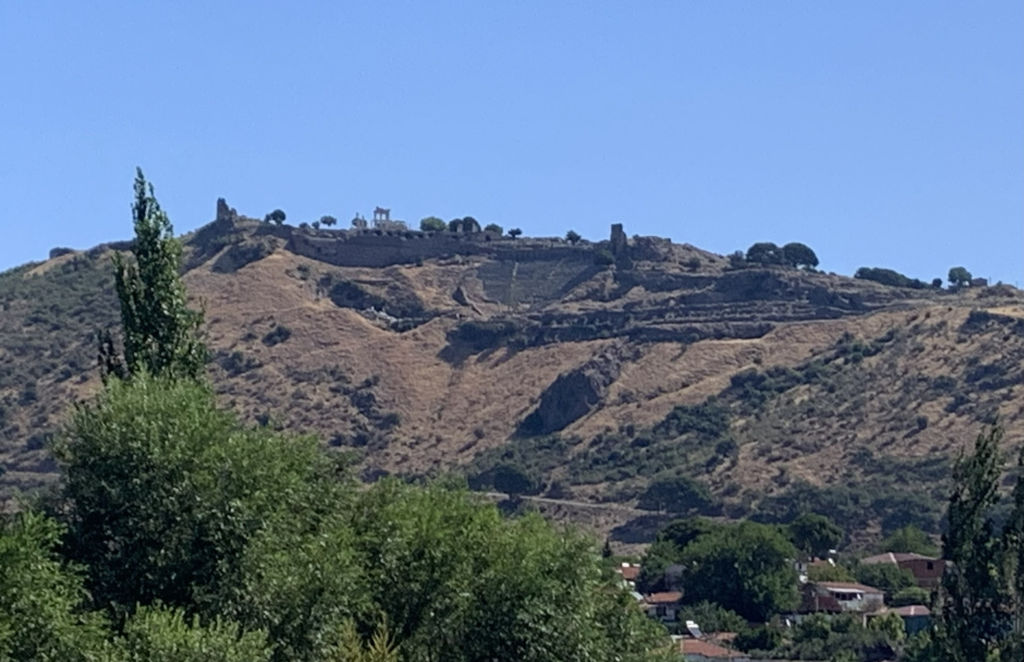
- The structure and ruins above the amphitheater are the Sacred Area of Athena. The small set of steps in the middle of the picture is the location where we came out of the tunnel into the amphitheater area. ↩︎
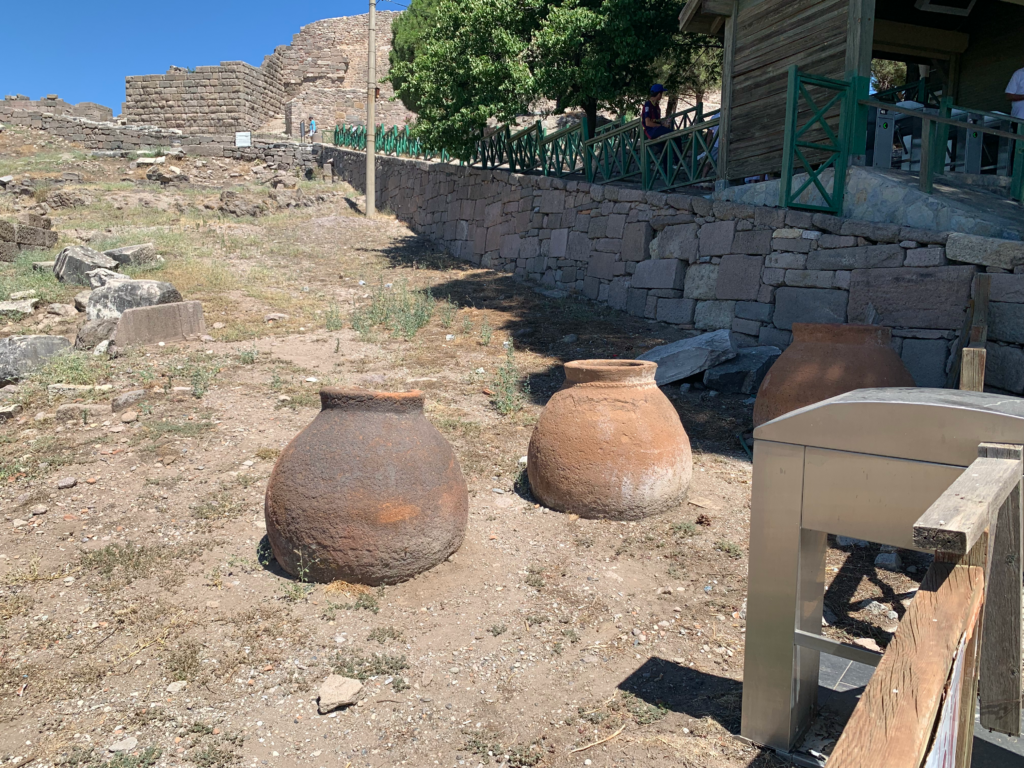
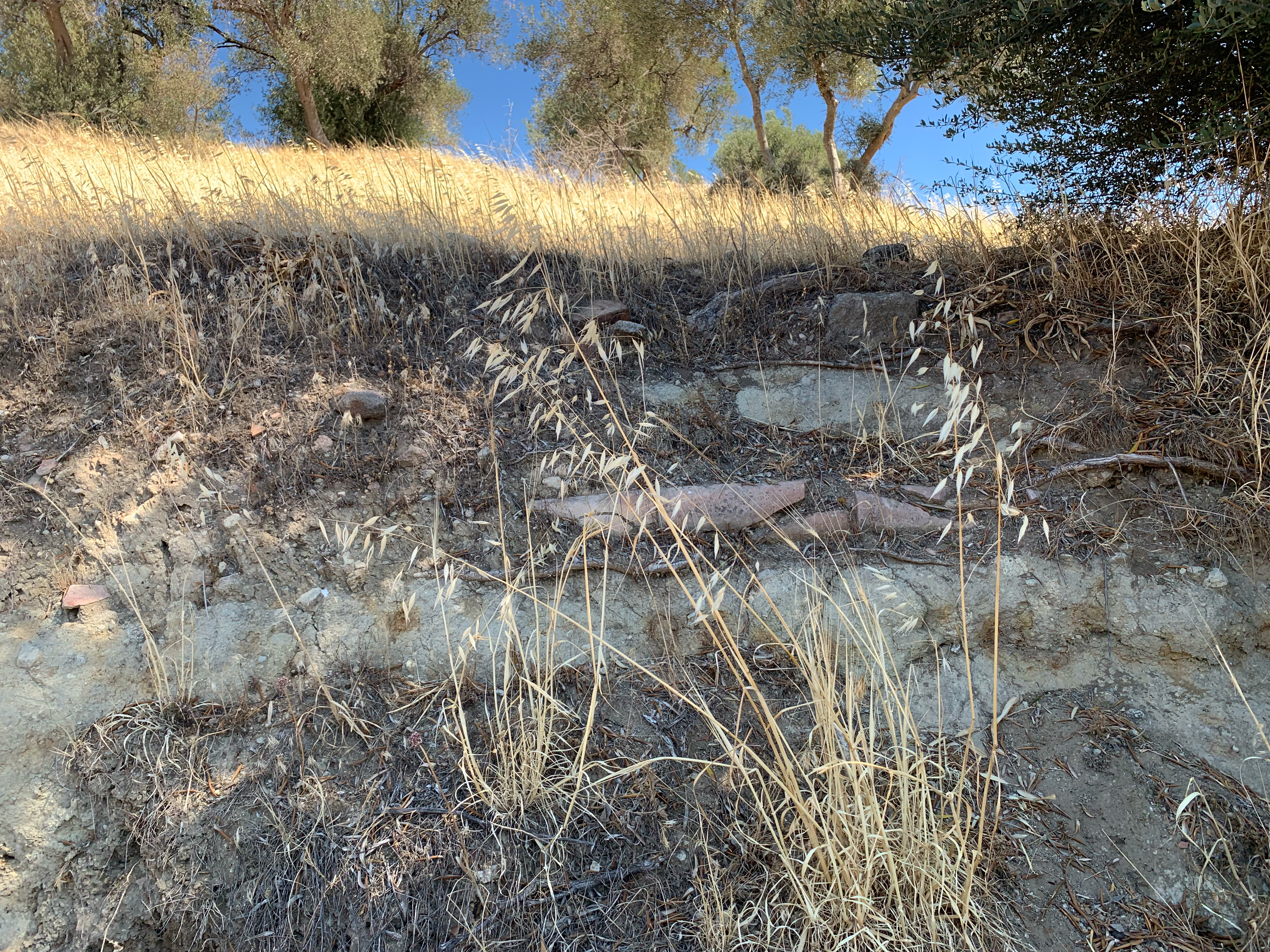
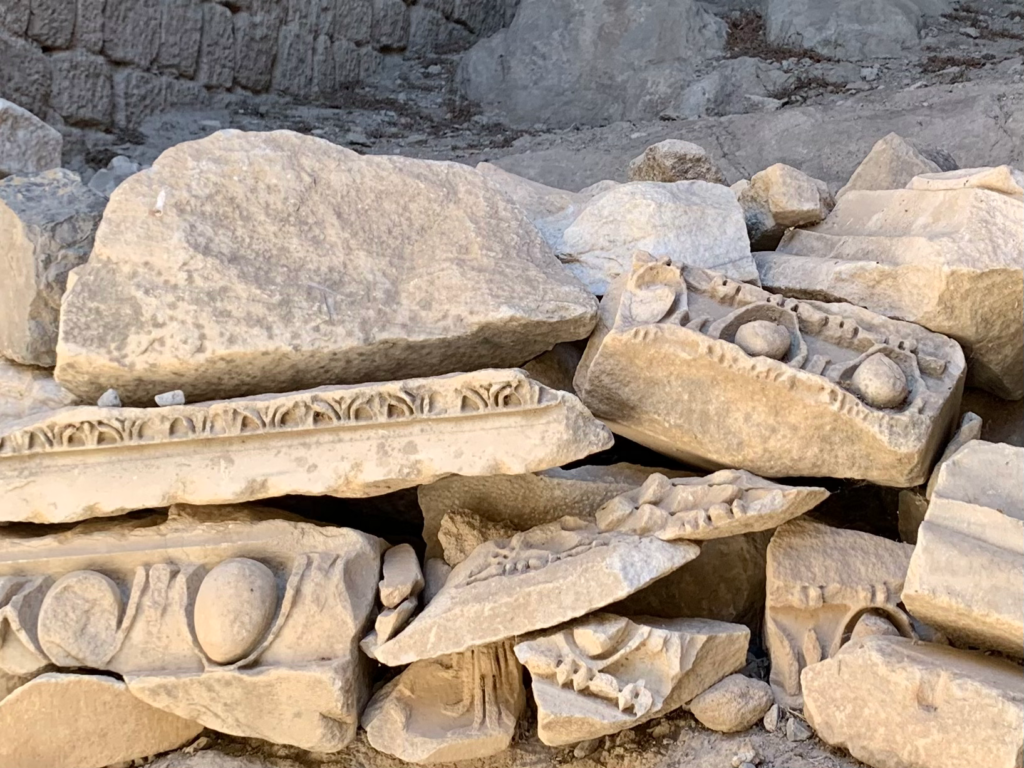
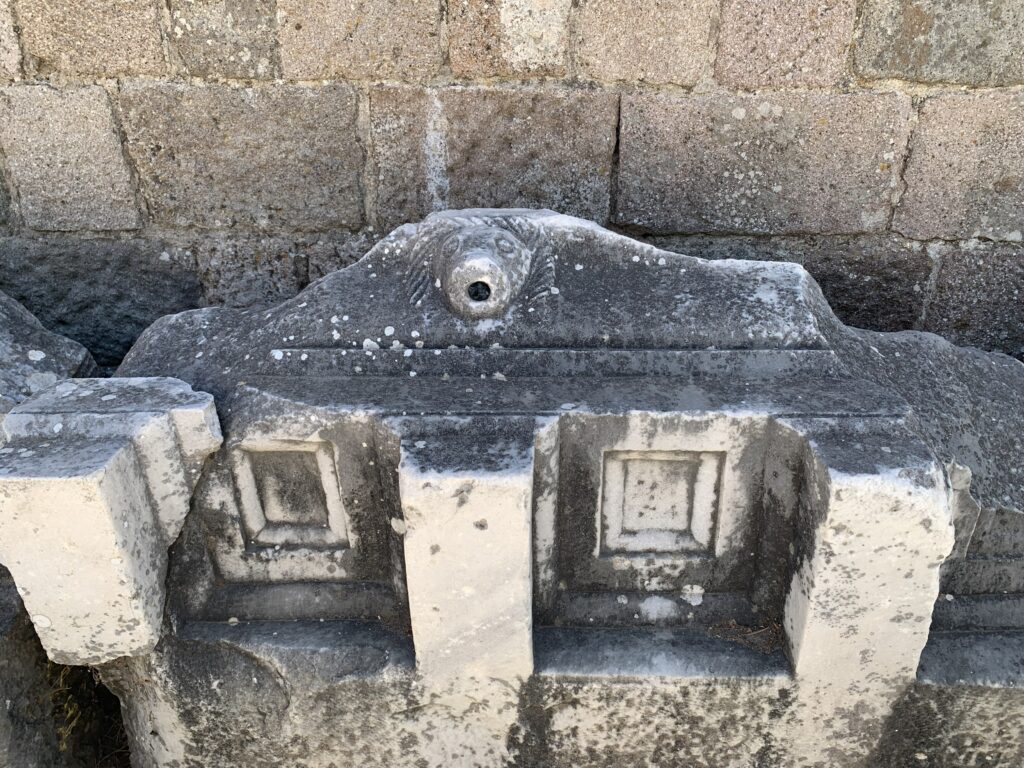
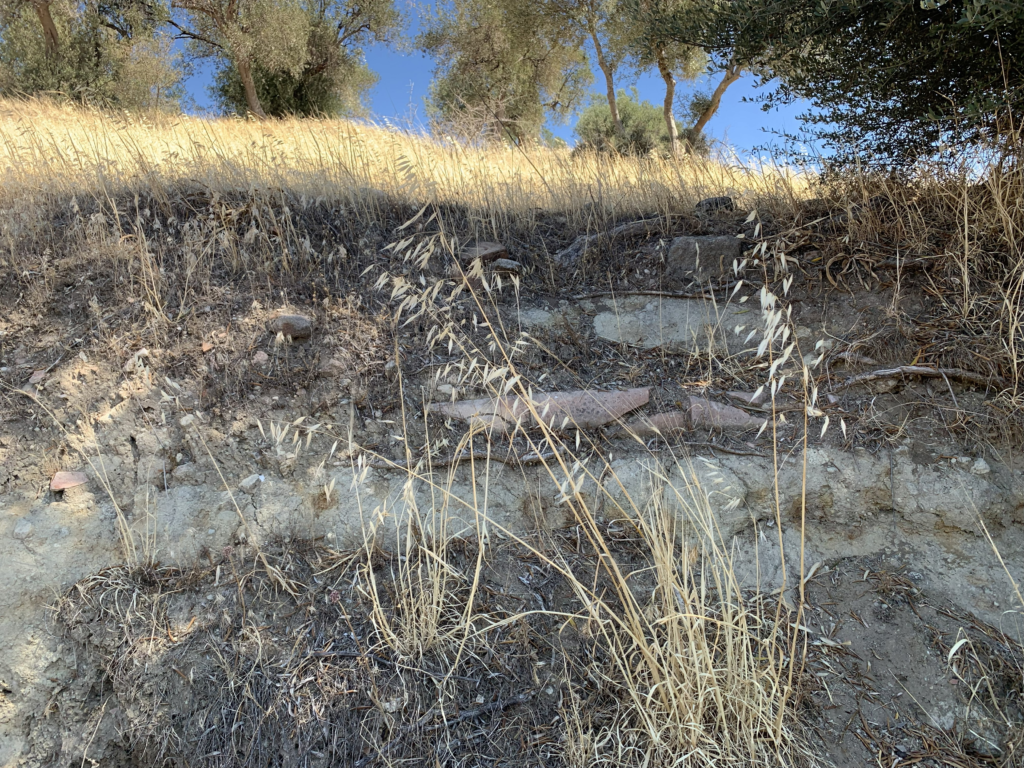
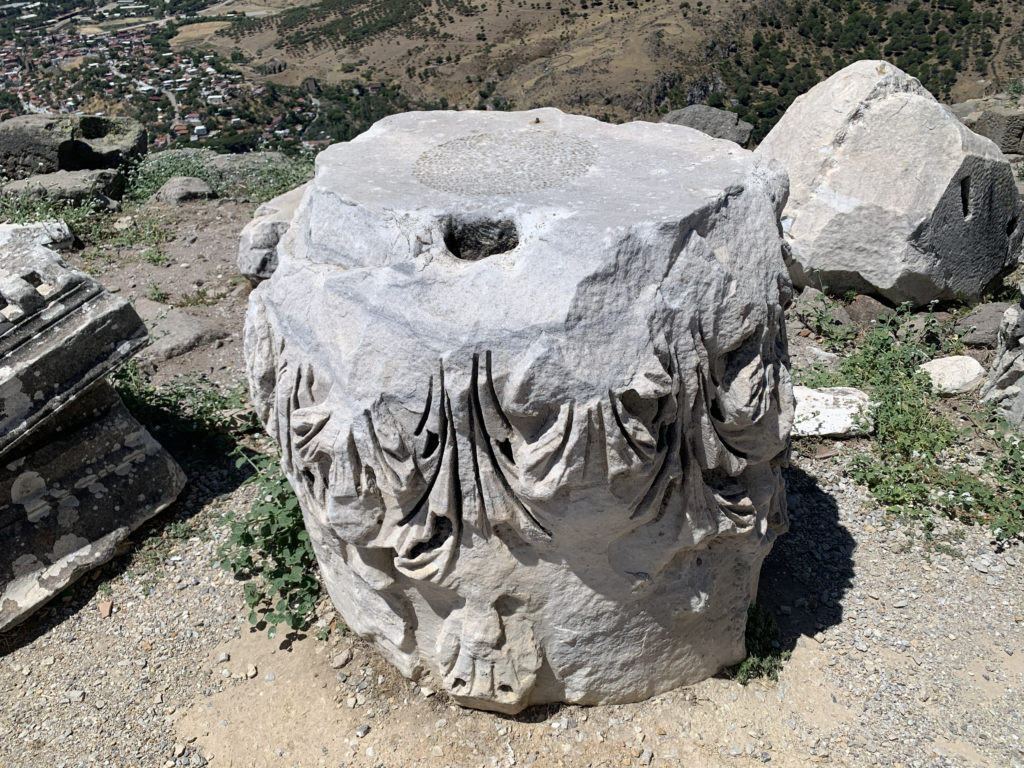
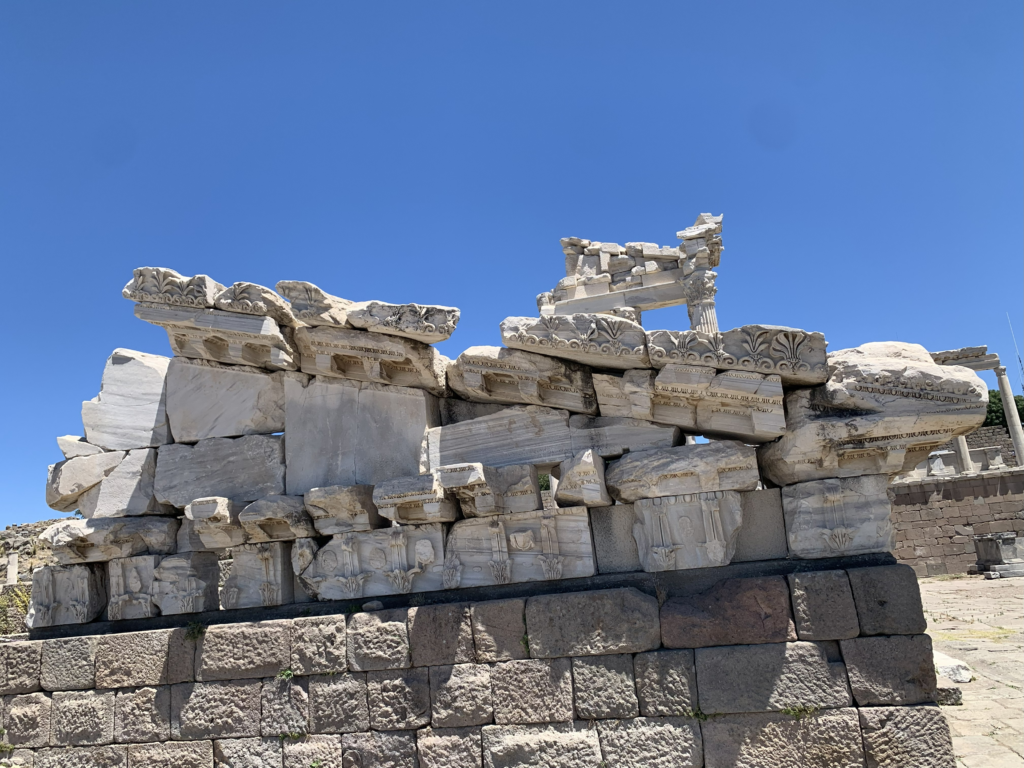
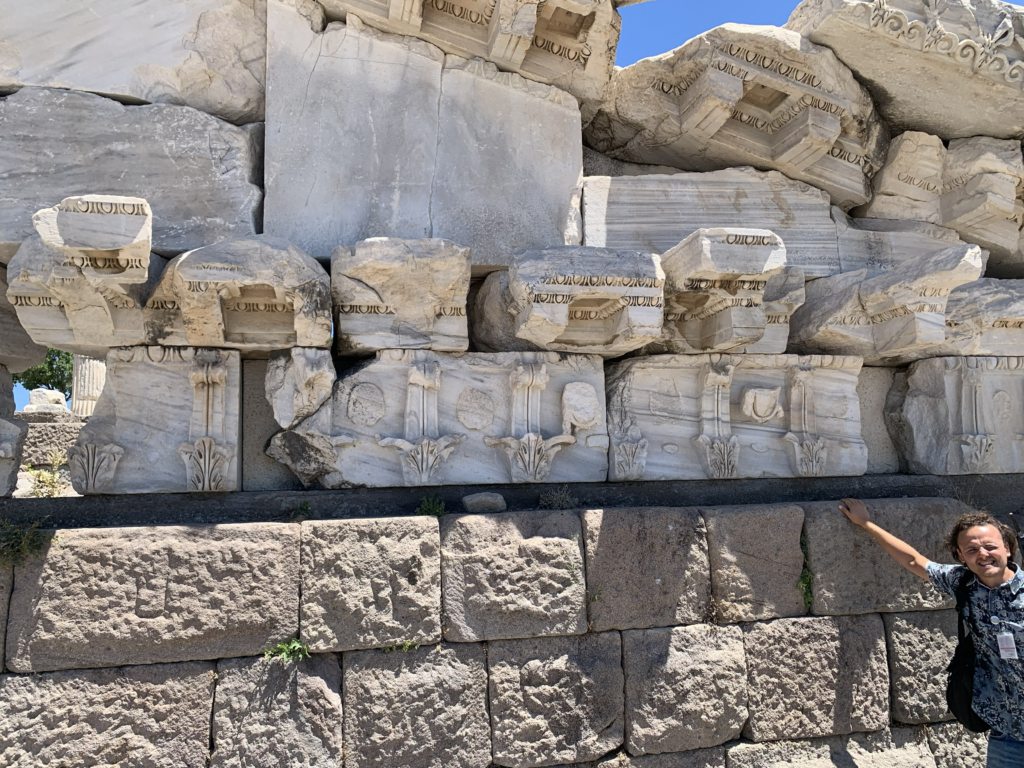
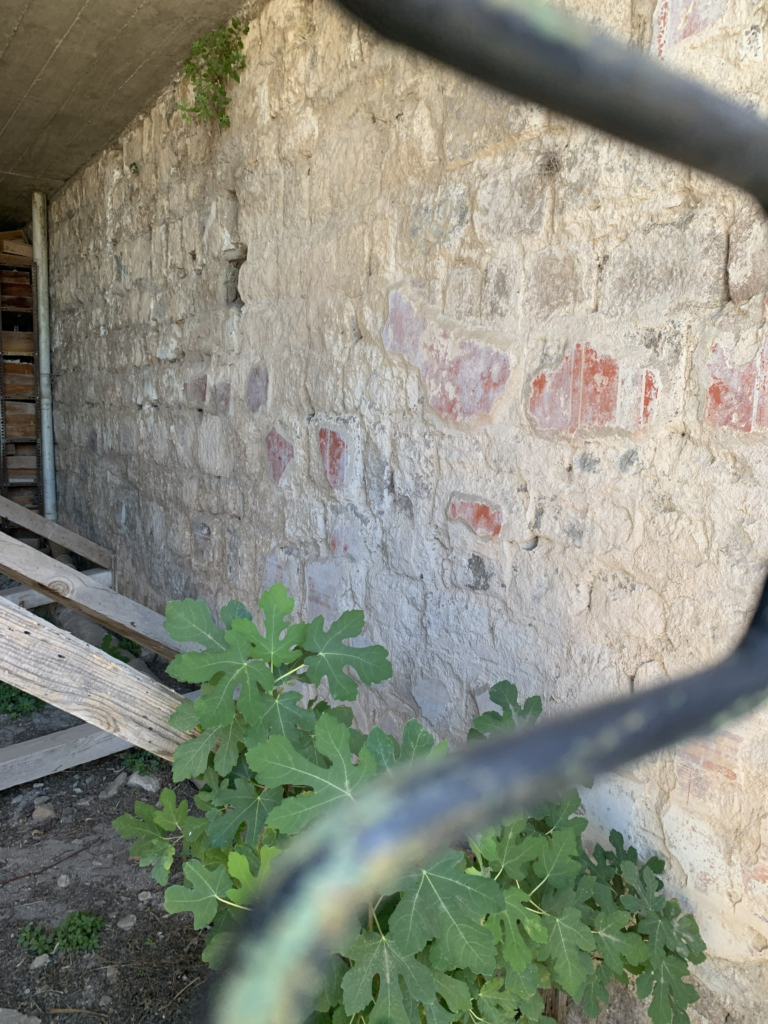
- In one of the “basements” here are some roofing pieces. The rounded shaped carvings are bulls testicles: strength, power, fertility, virility. Wasn’t my idea. ↩︎
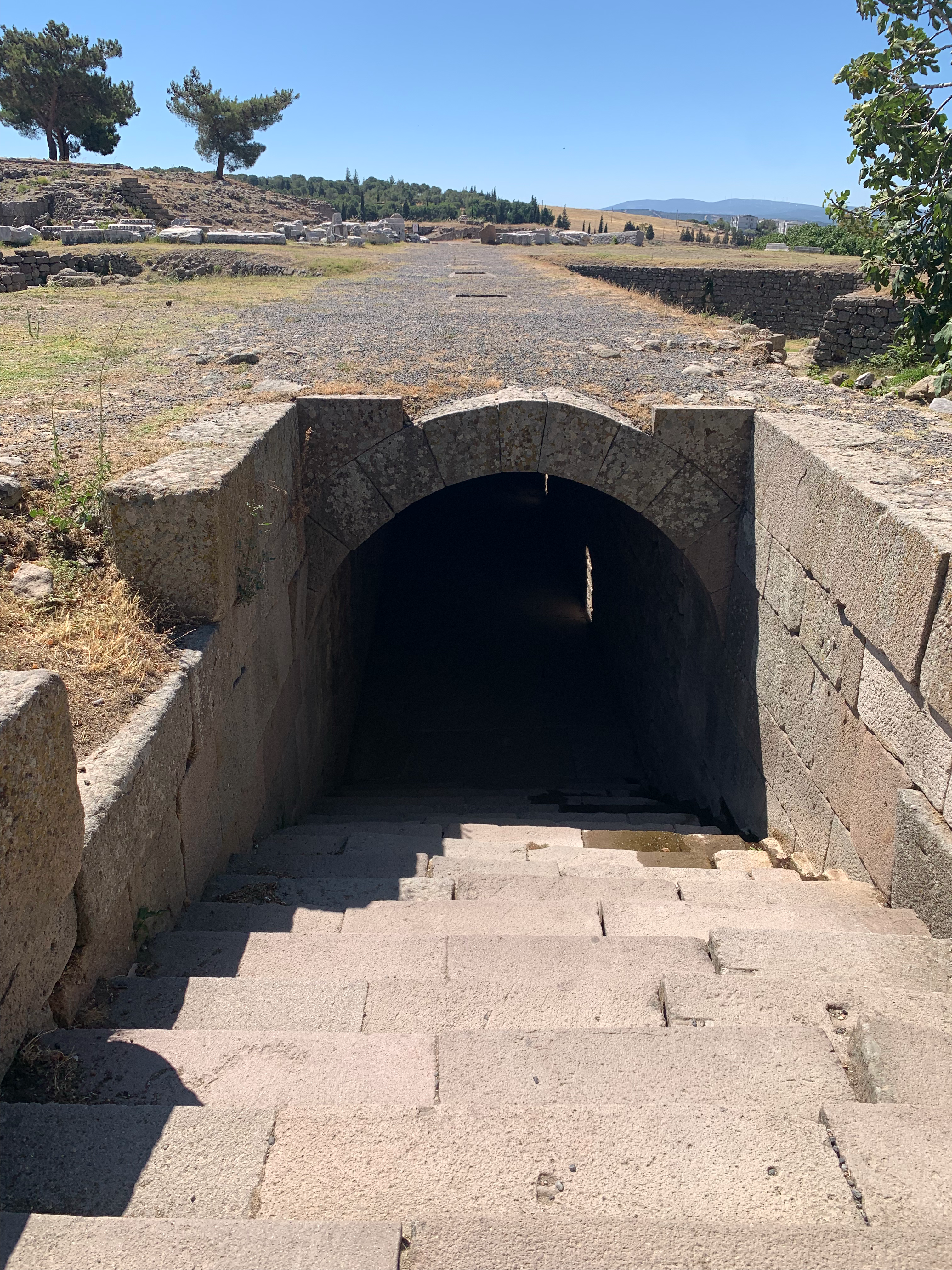
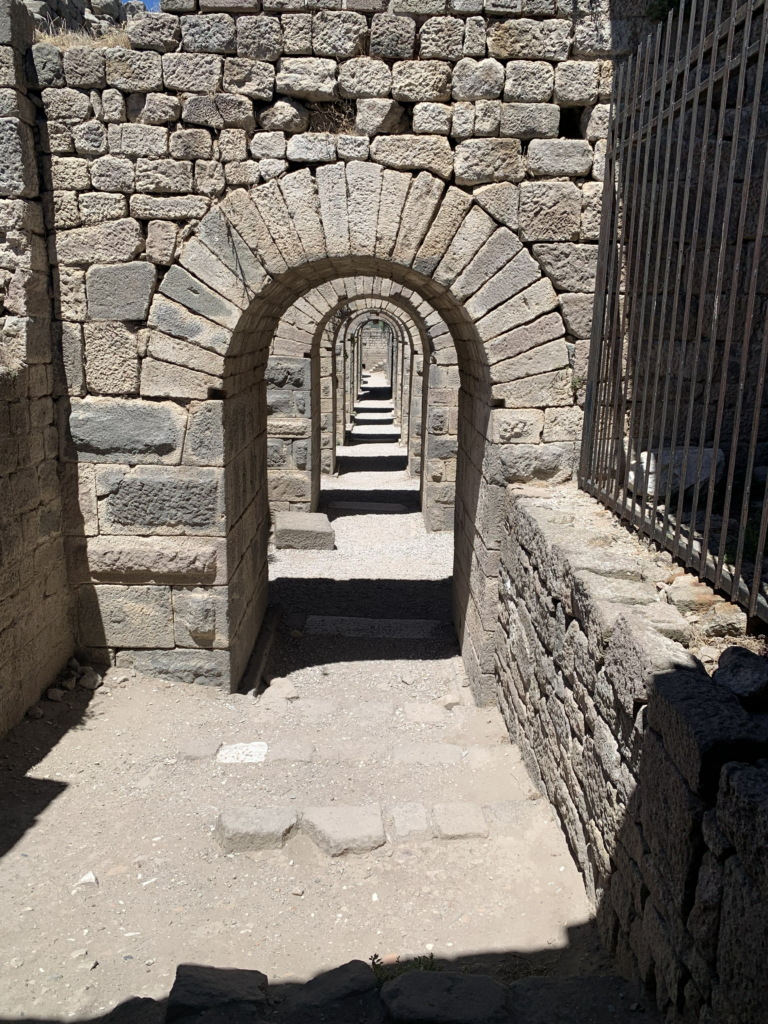
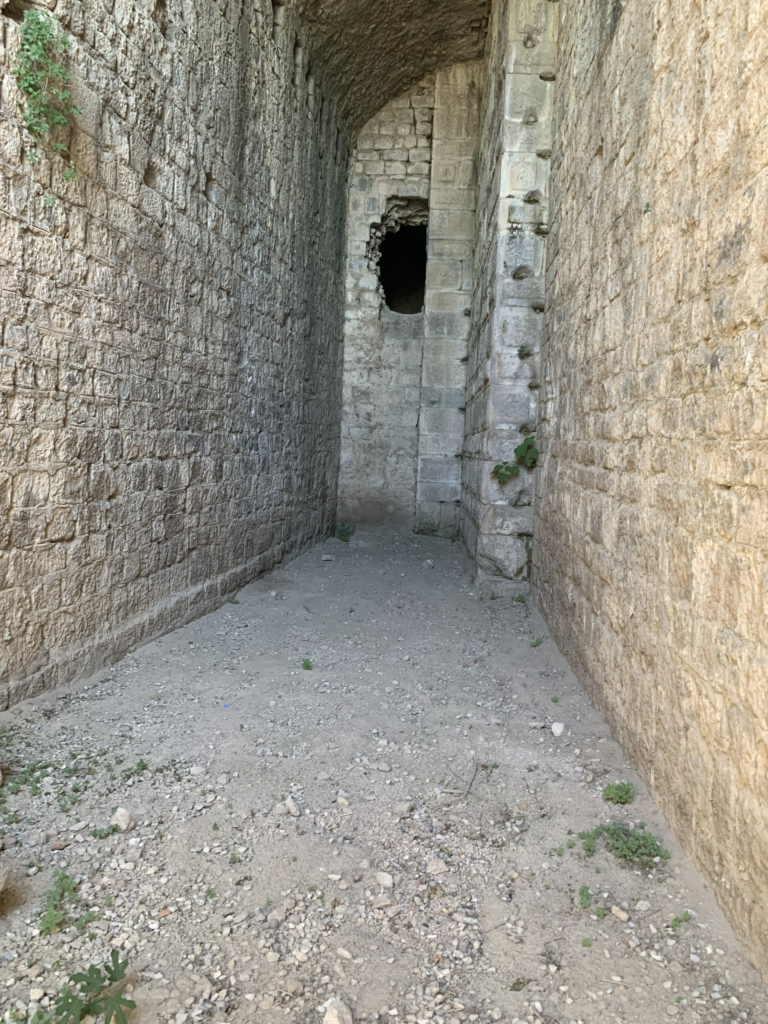
- This is the tunnel we entered to go to the top of the amphitheater. My phone picked up all this light without any help from me! It was otherwise dark! ↩︎
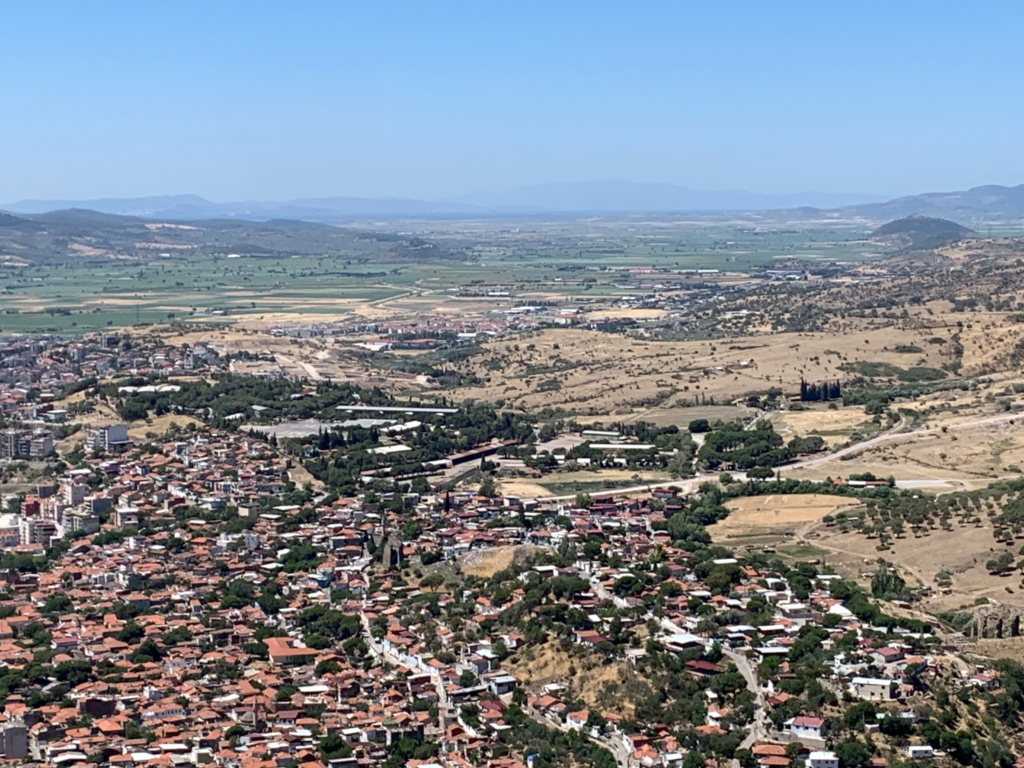
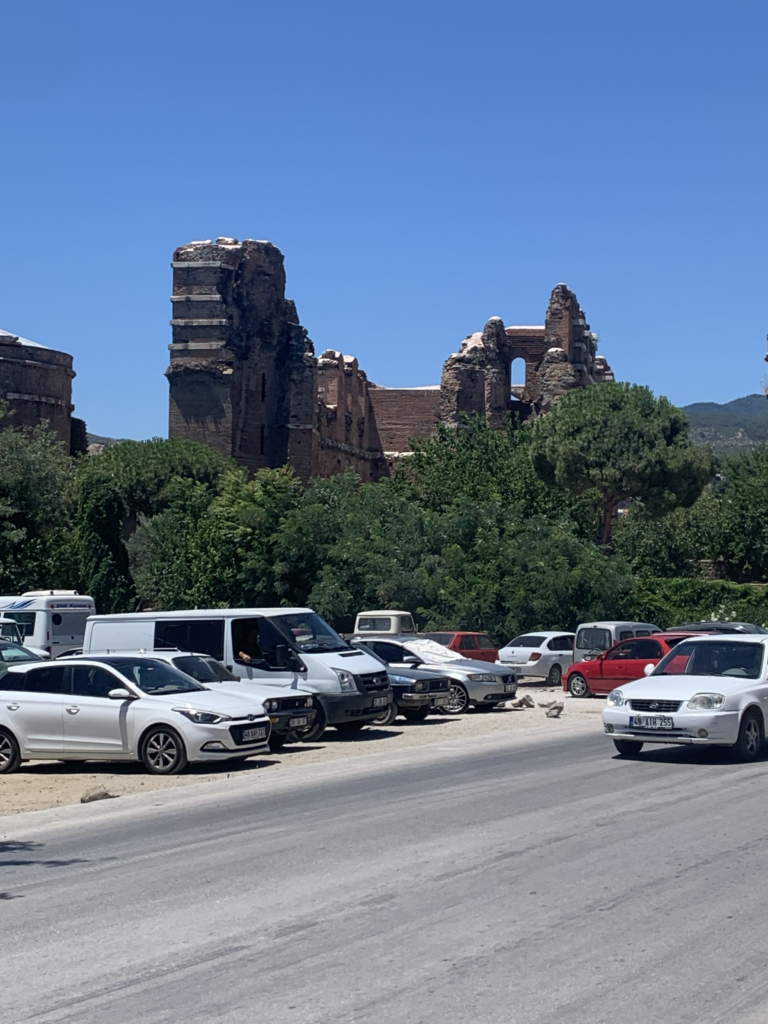
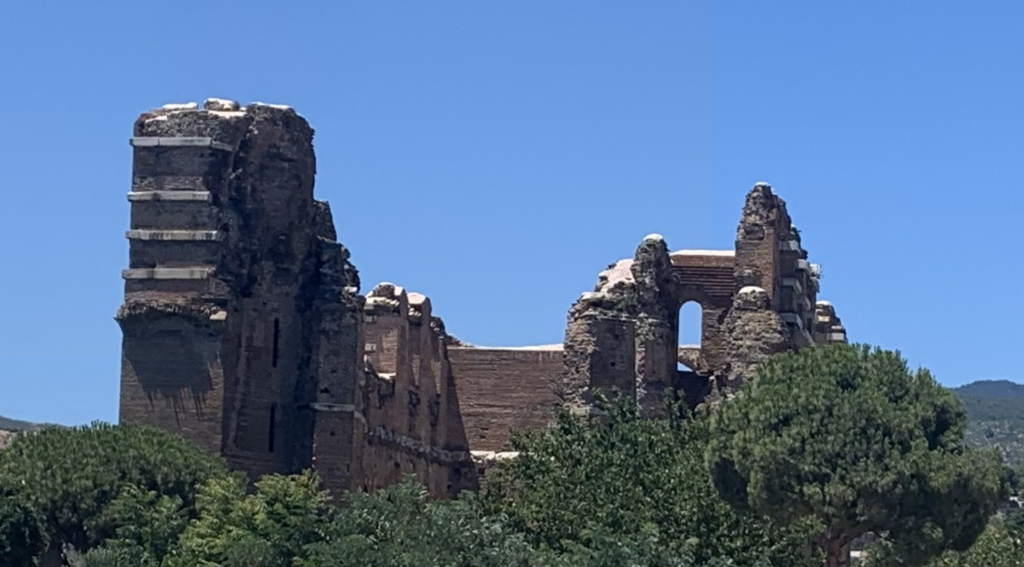
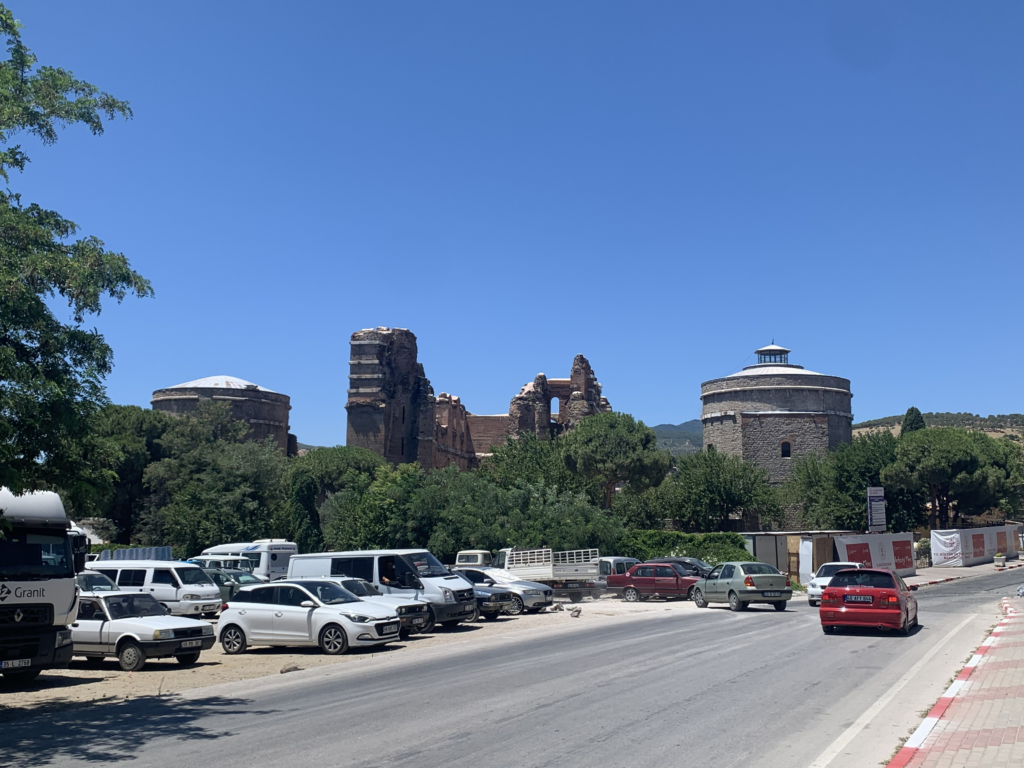
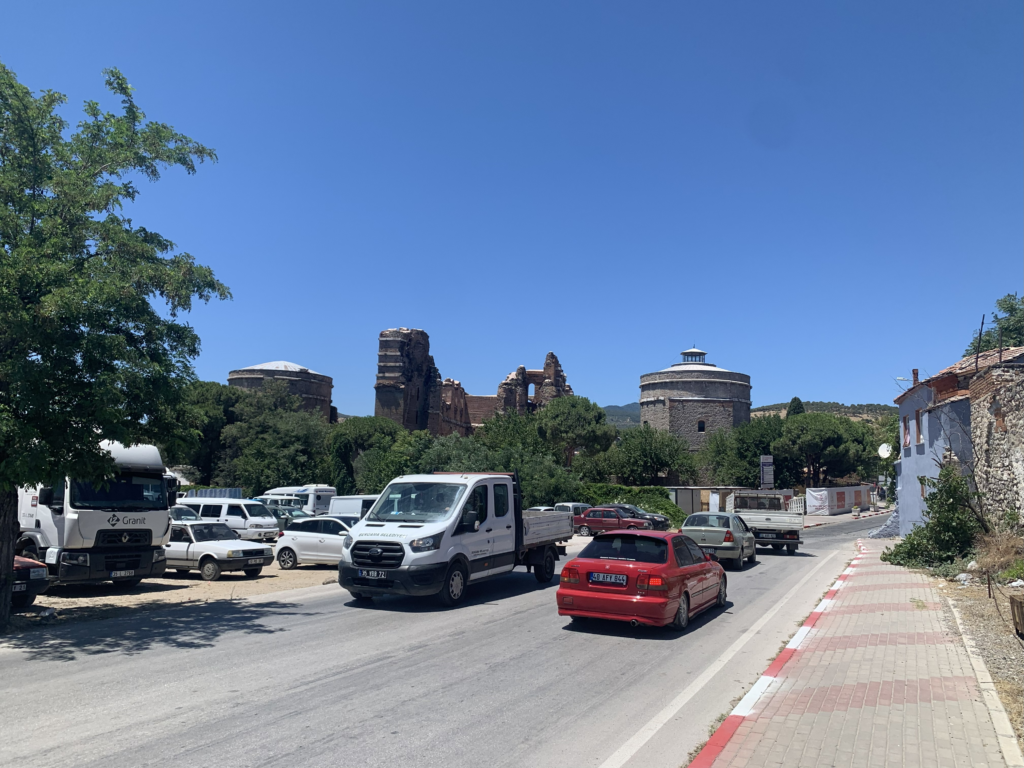
- This church is down in the modern city. From wiki: “The “Red Basilica”, also called variously the Red Hall and Red Courtyard, is a monumental ruined temple in the ancient city of Pergamon, now Bergama, in western Turkey. The temple was built during the Roman Empire, probably in the time of Hadrian and possibly on his orders”. ↩︎
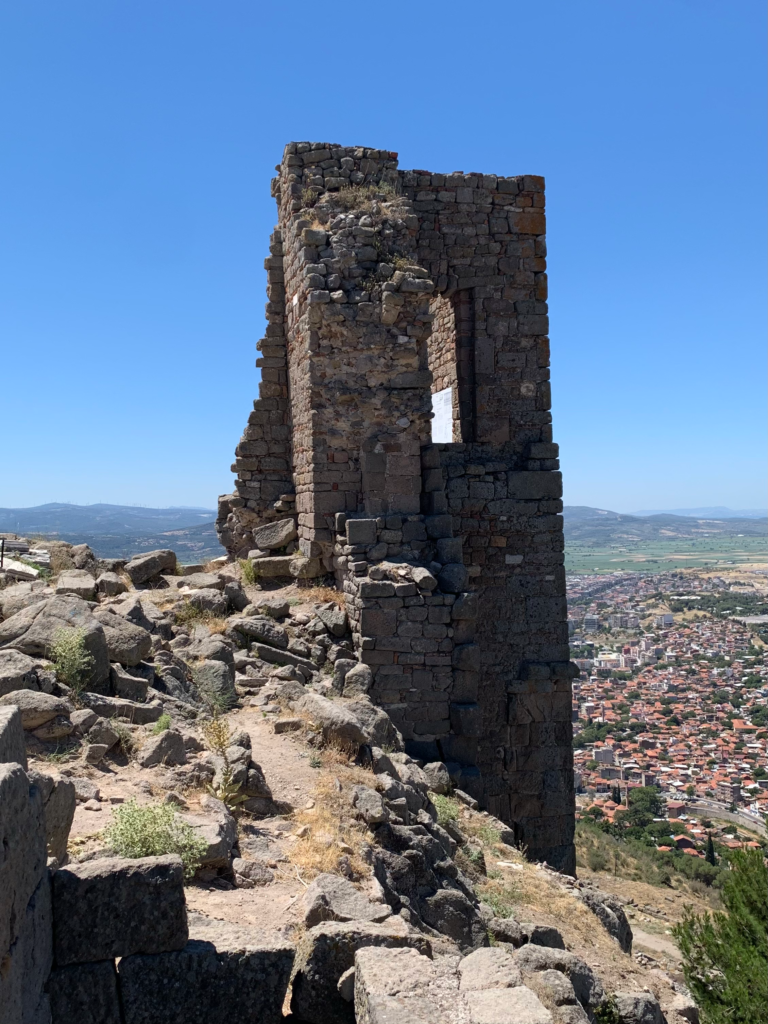
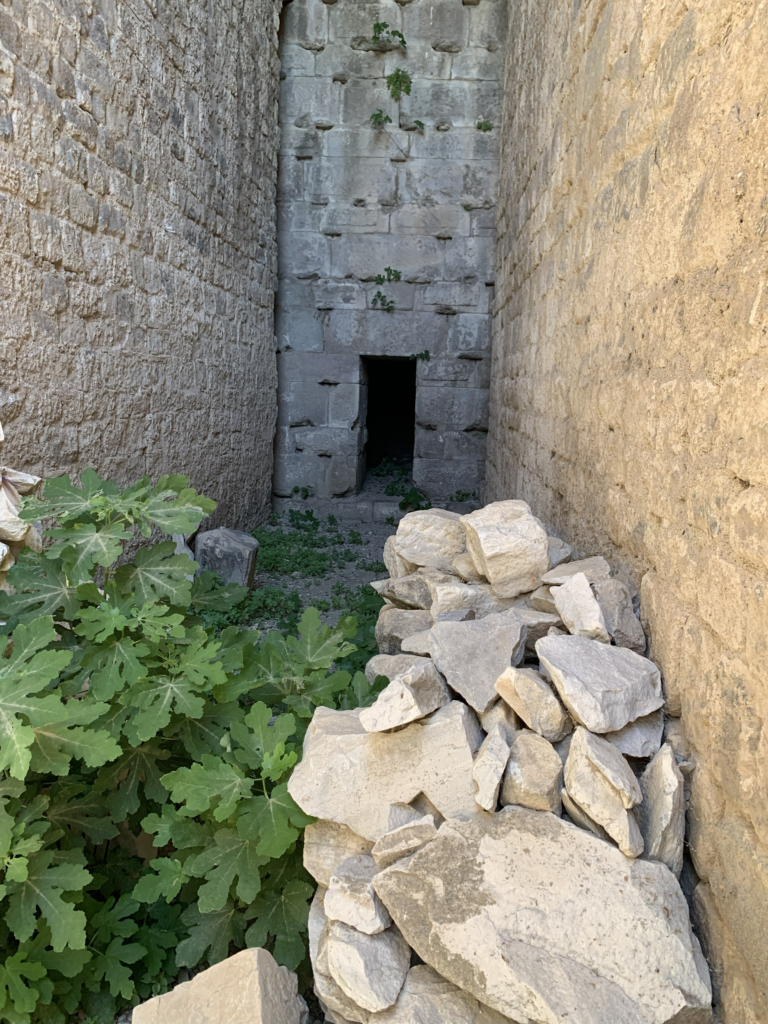
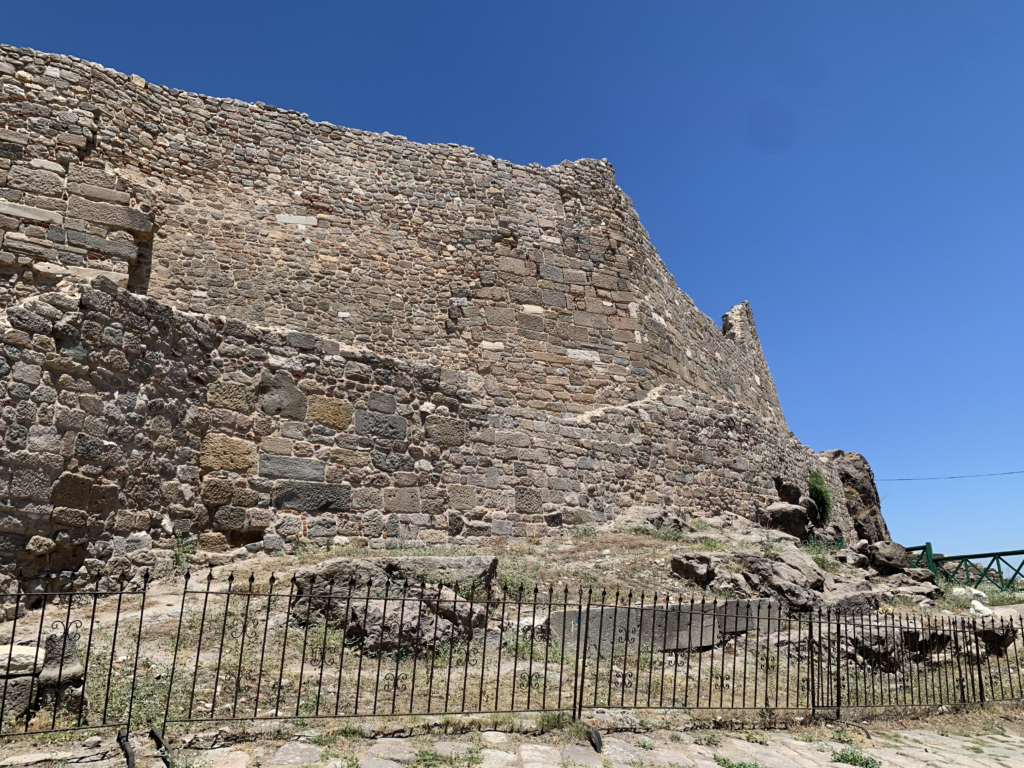
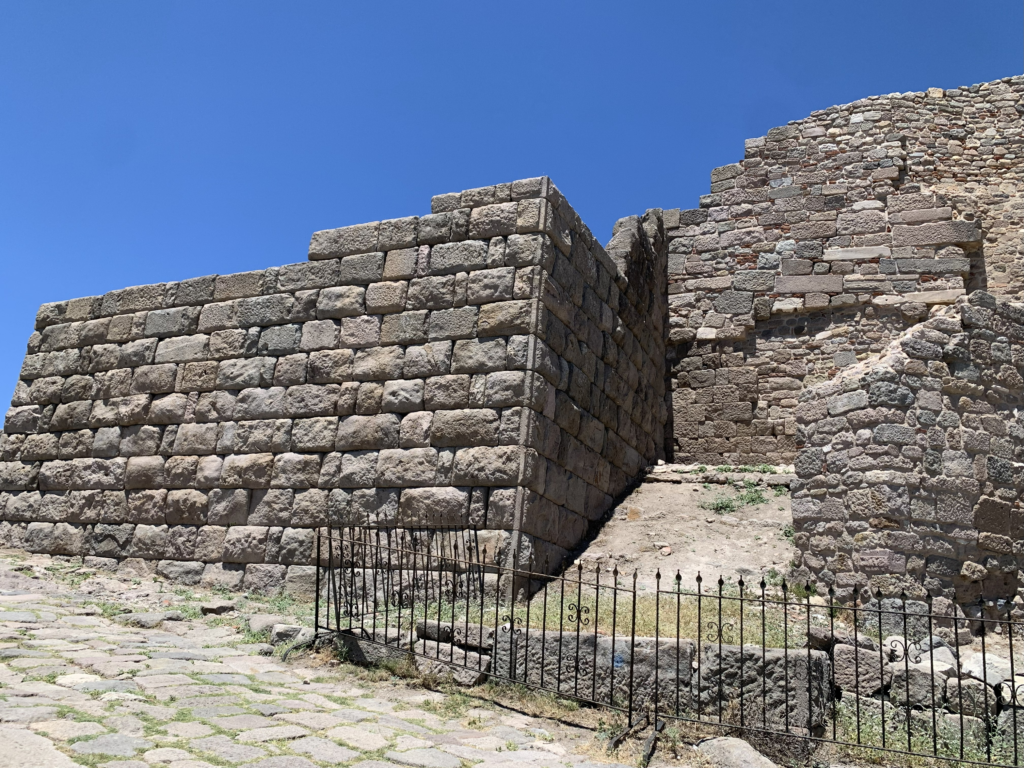
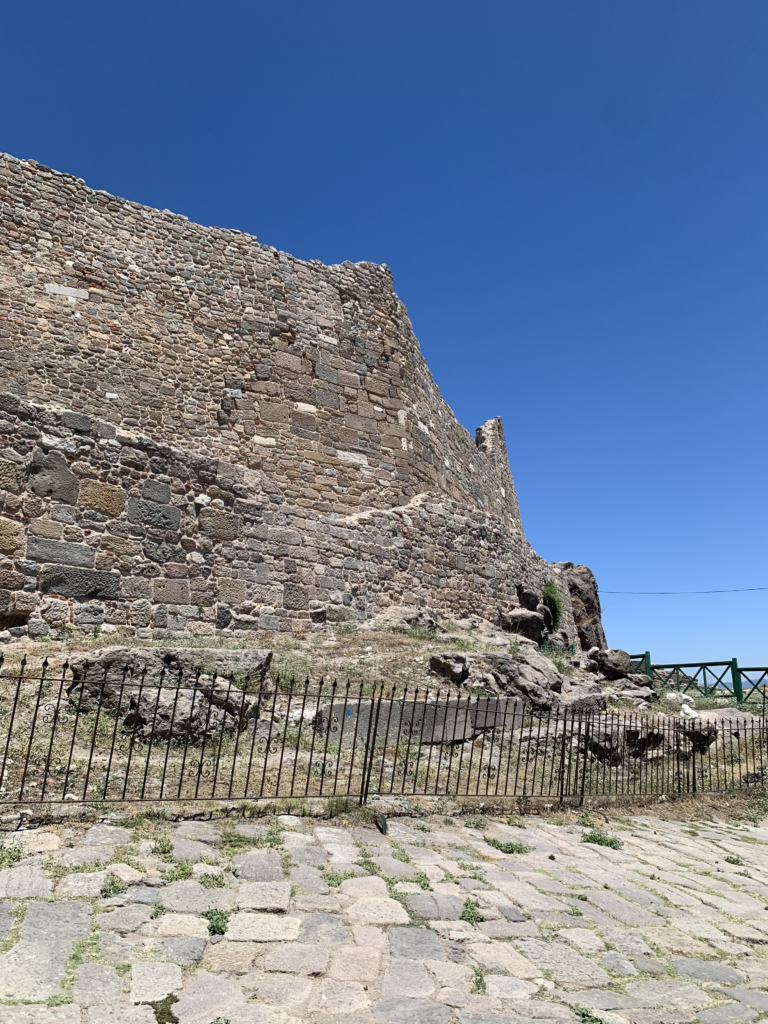
- The city wall on the left is the oldest, even though it looks newer. The wall on the right was built with materials used later than the materials in the wall on the left. ↩︎
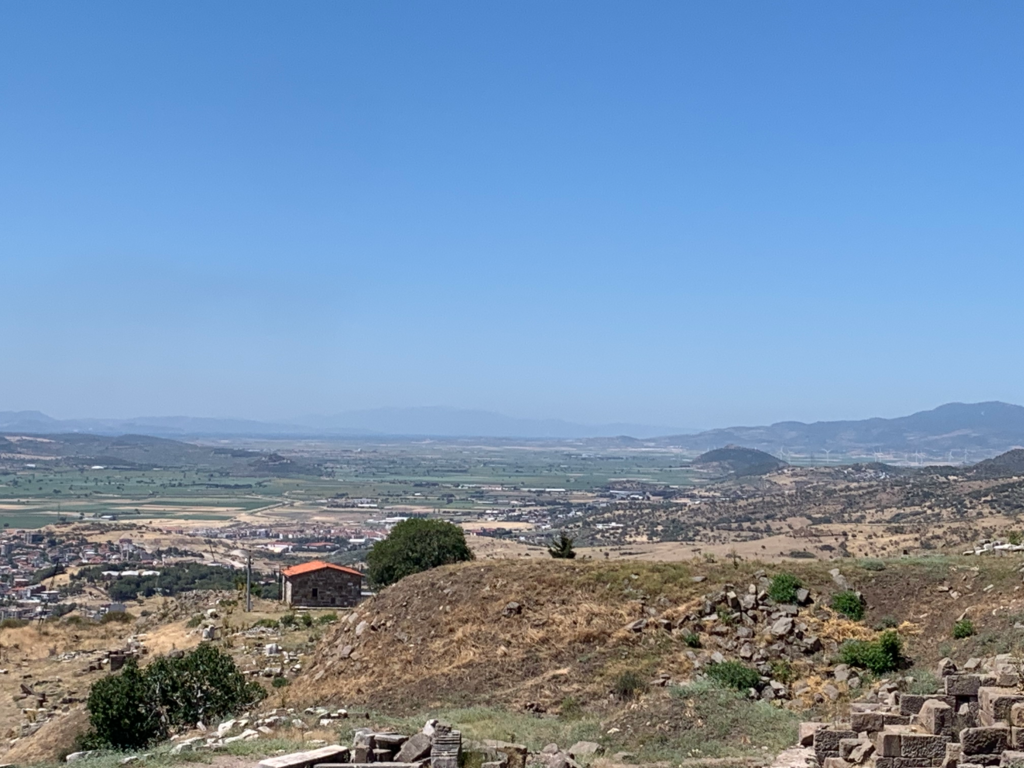
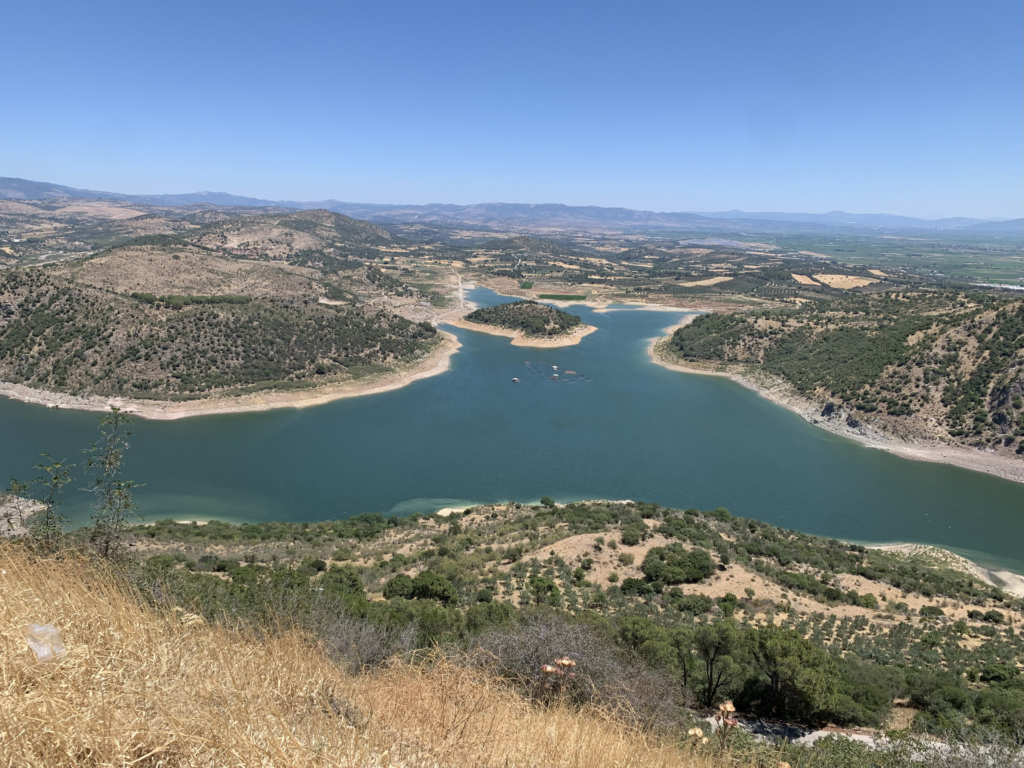
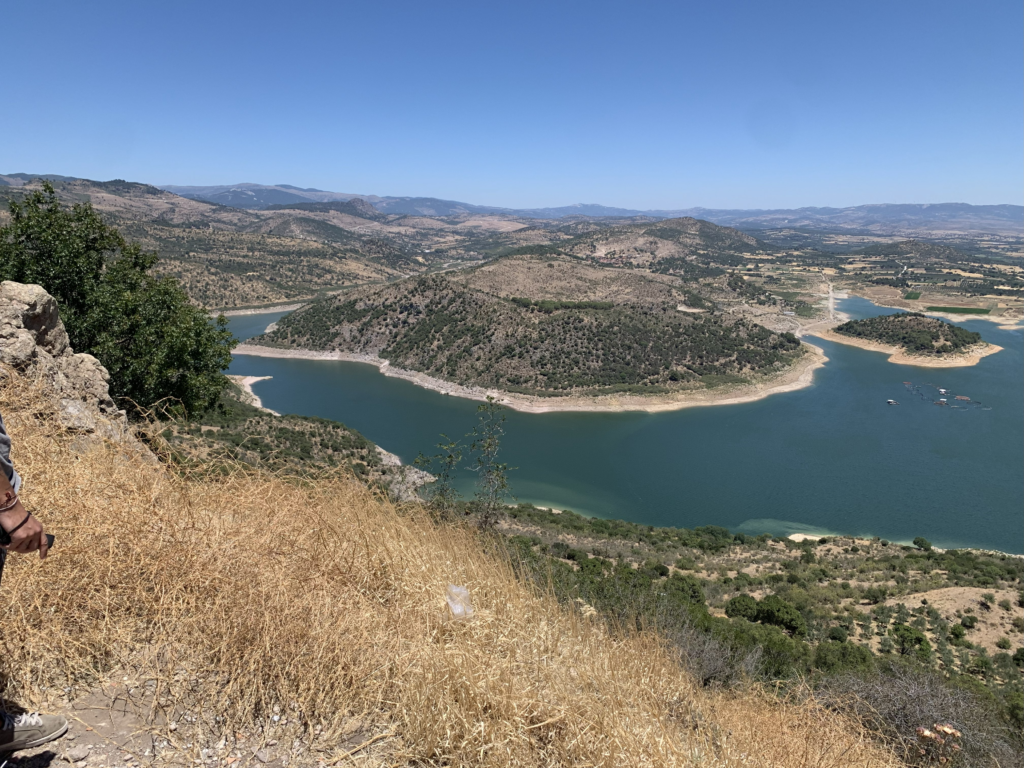
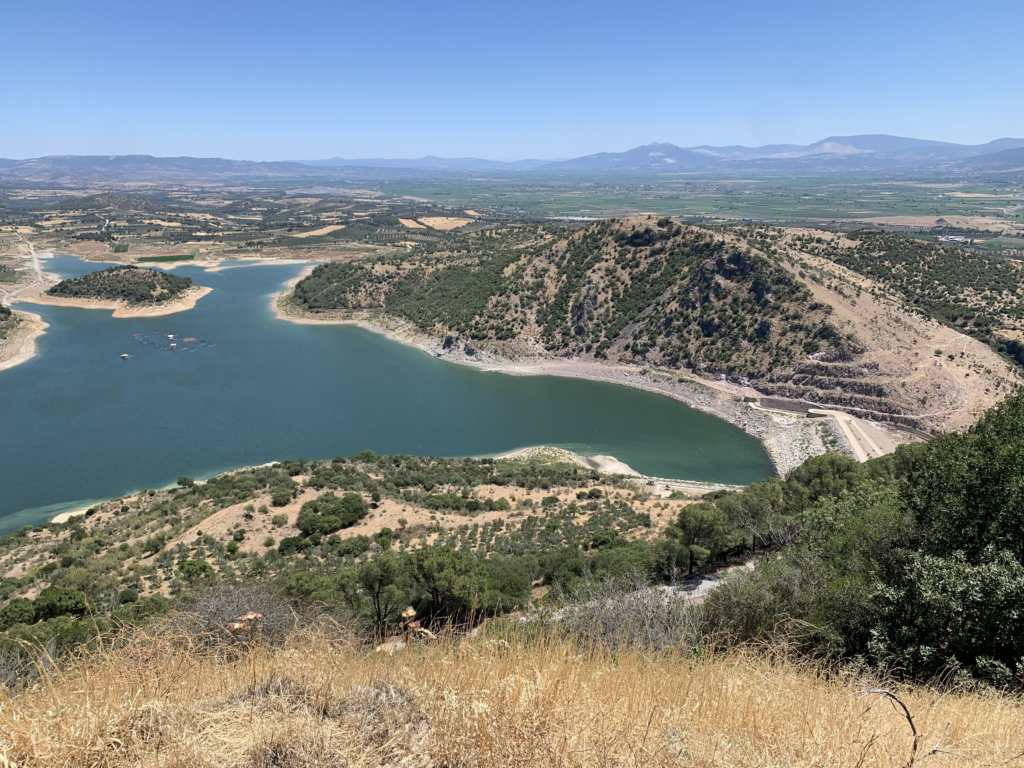
- Lake behind Pergamon. The little structures in the lake, on the left, are fish farming. The dam is on the right. ↩︎
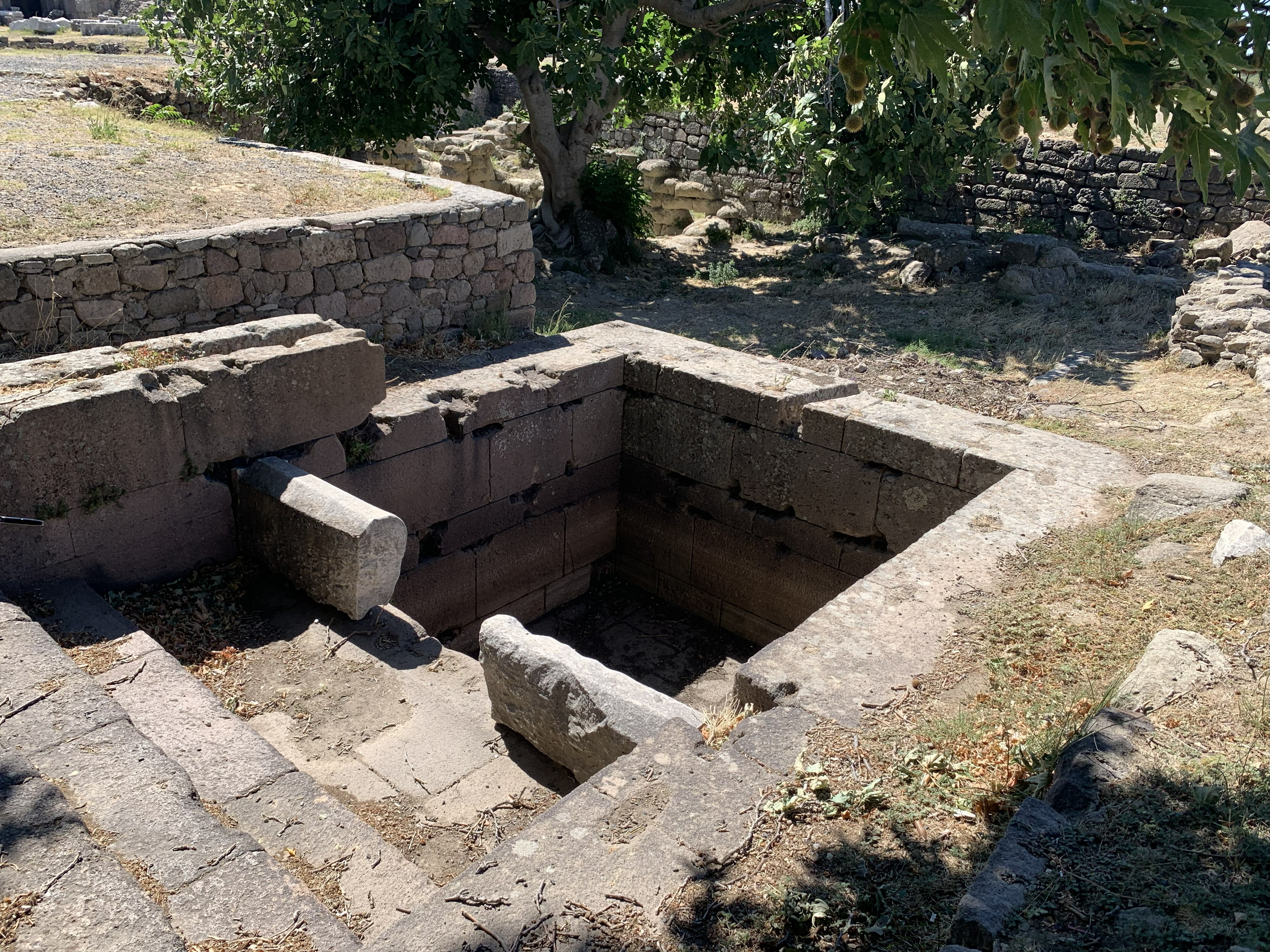
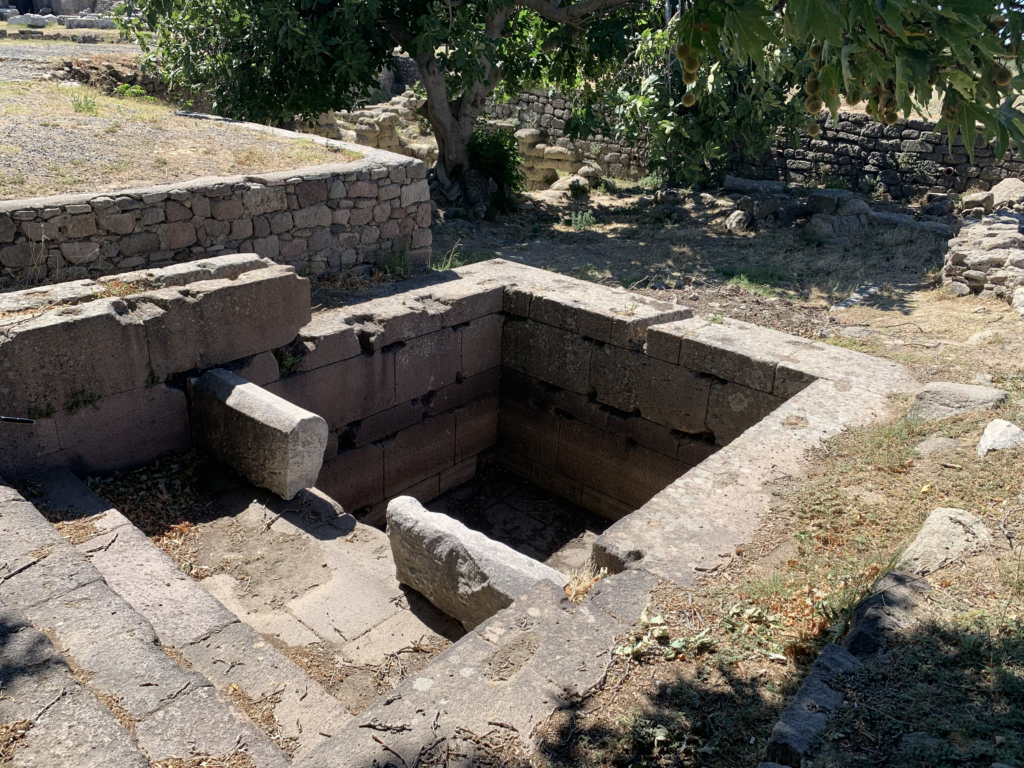
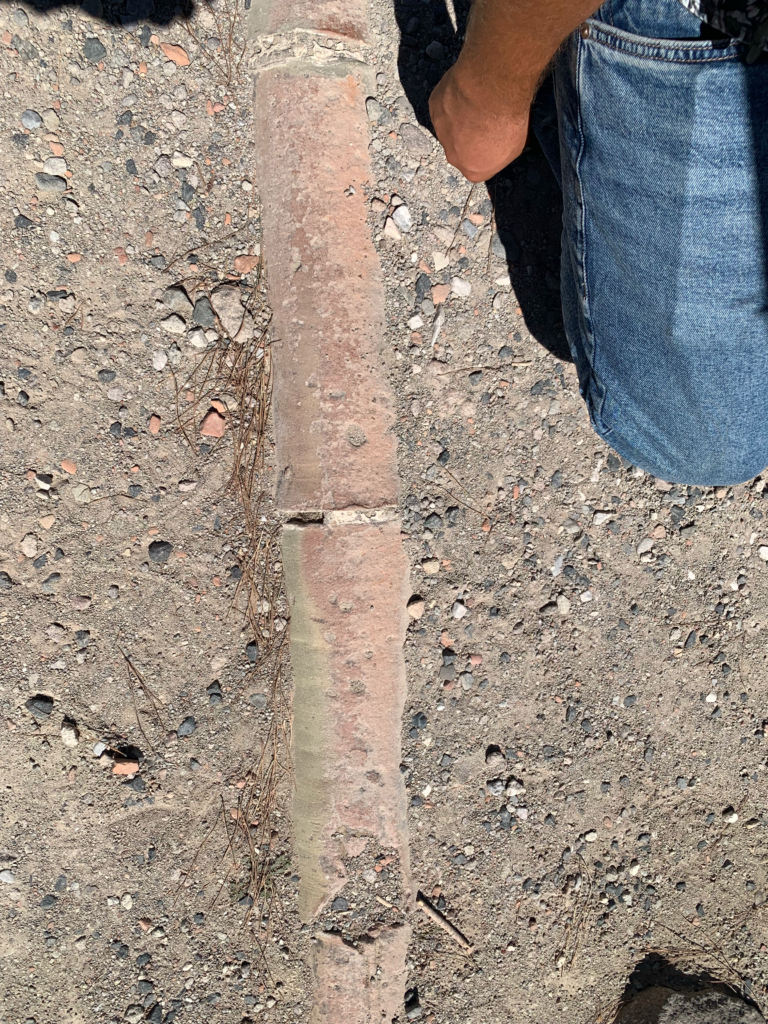
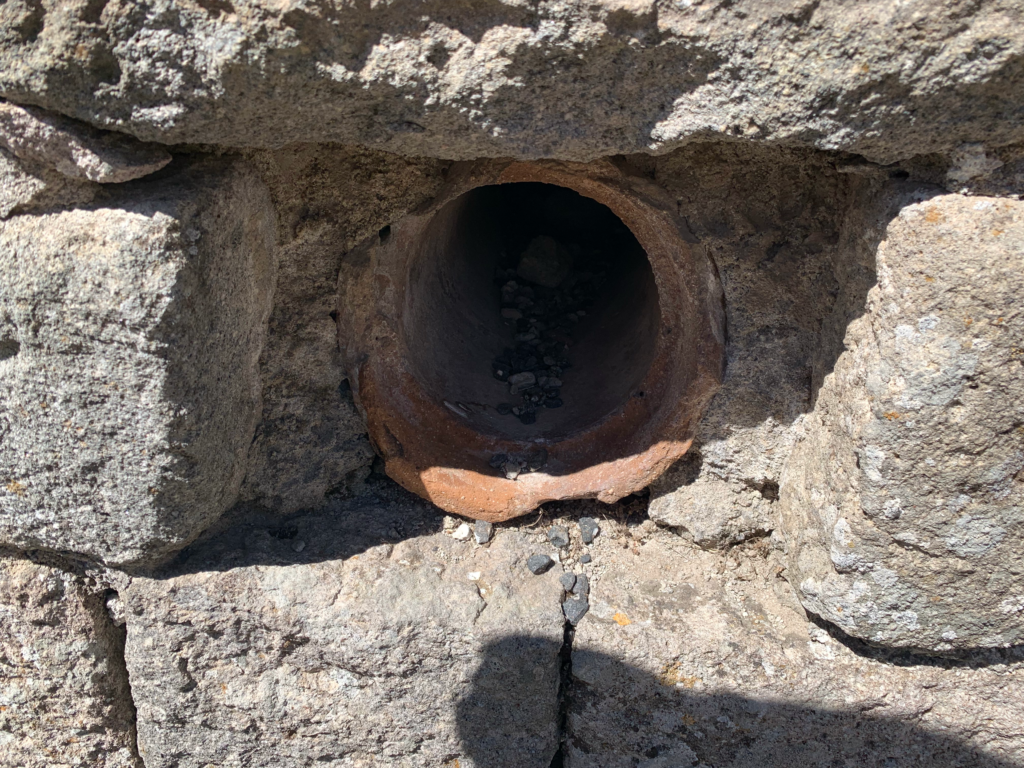
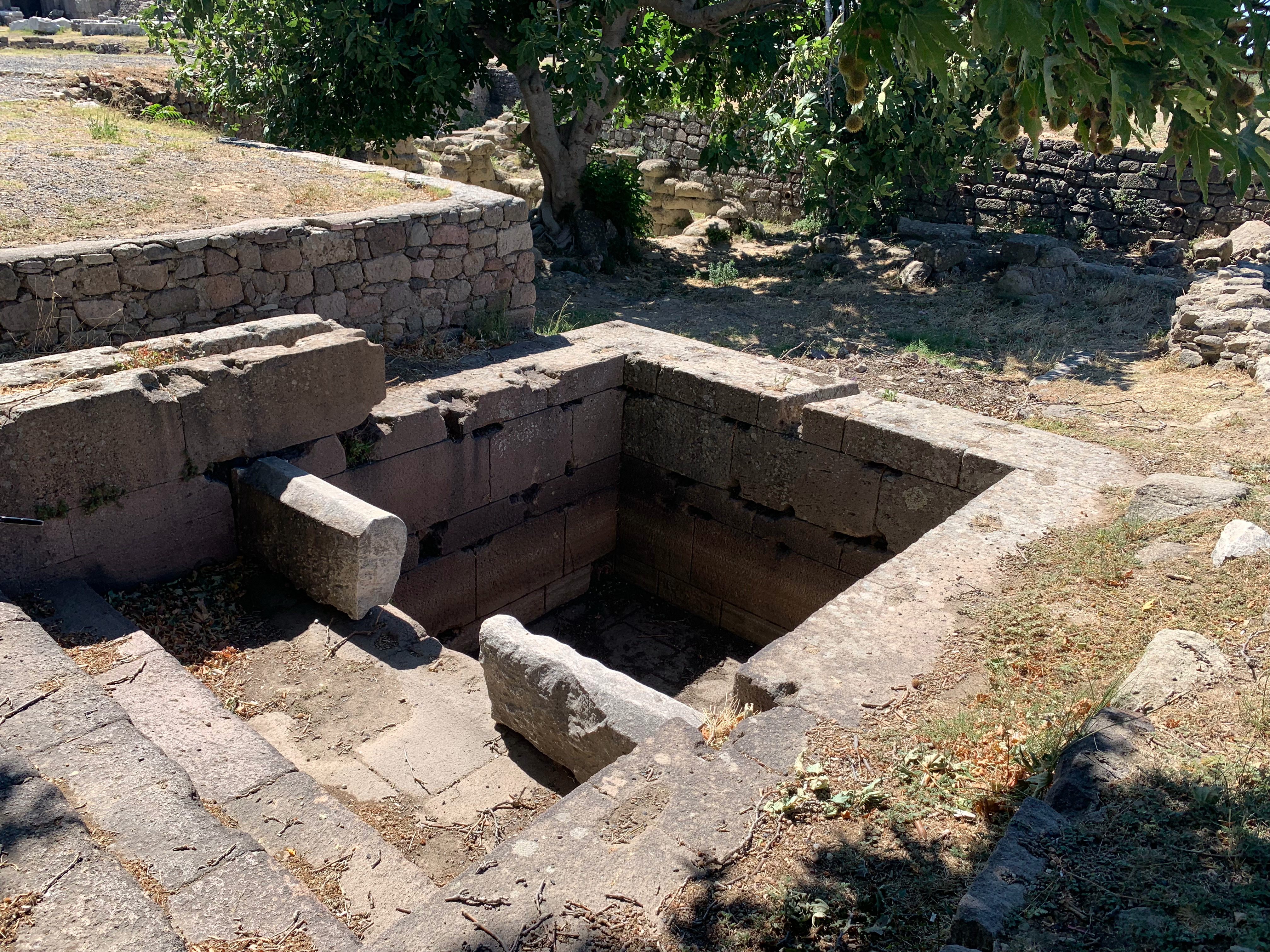
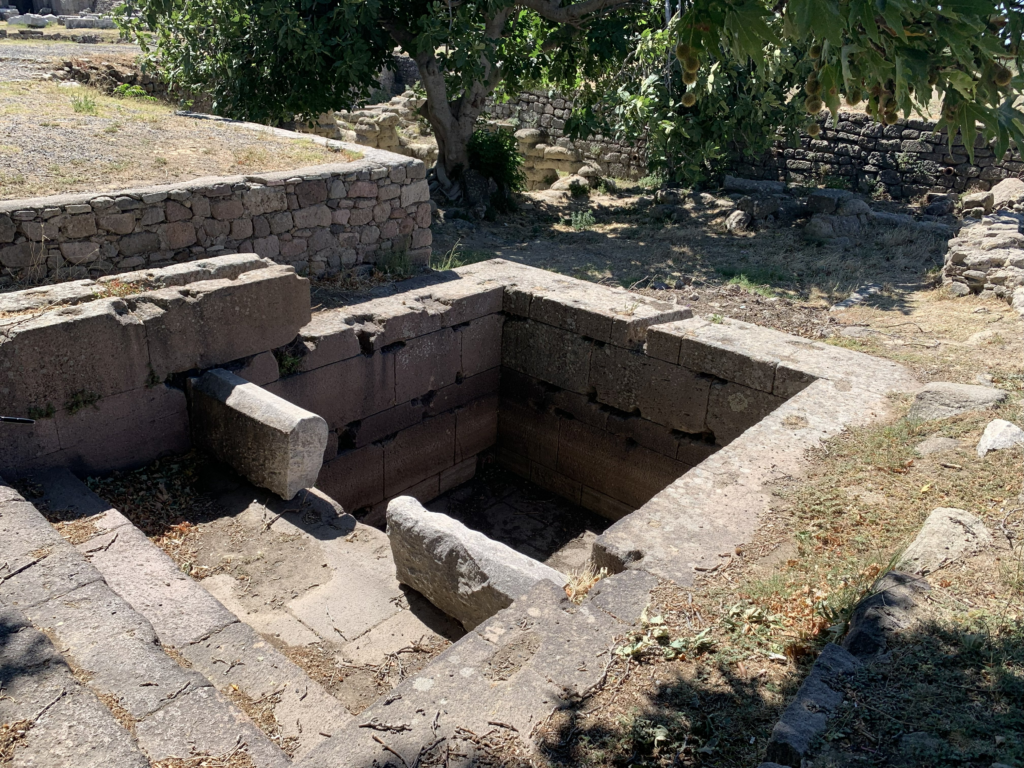
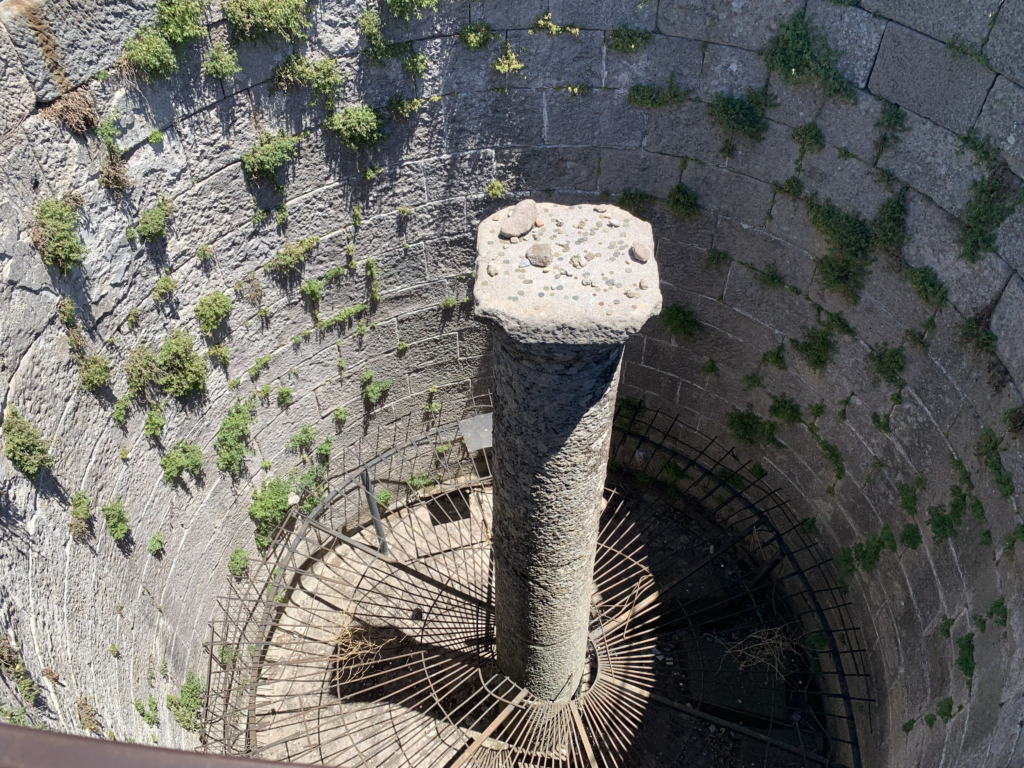
- There is a river below, on the back side of the mountain. Back in ancient times, an aqueduct was built based on: (wiki) “The inverse siphon was an ingenious solution that allowed the engineers to “push” the water uphill using the pressure created by the initial elevation difference.
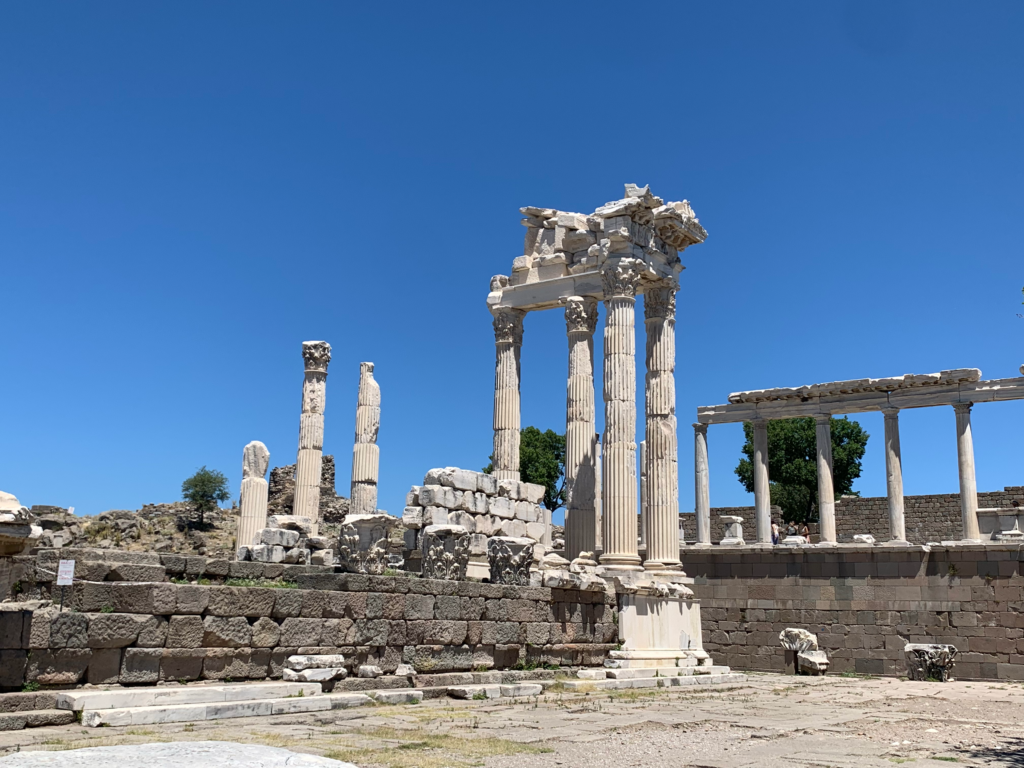
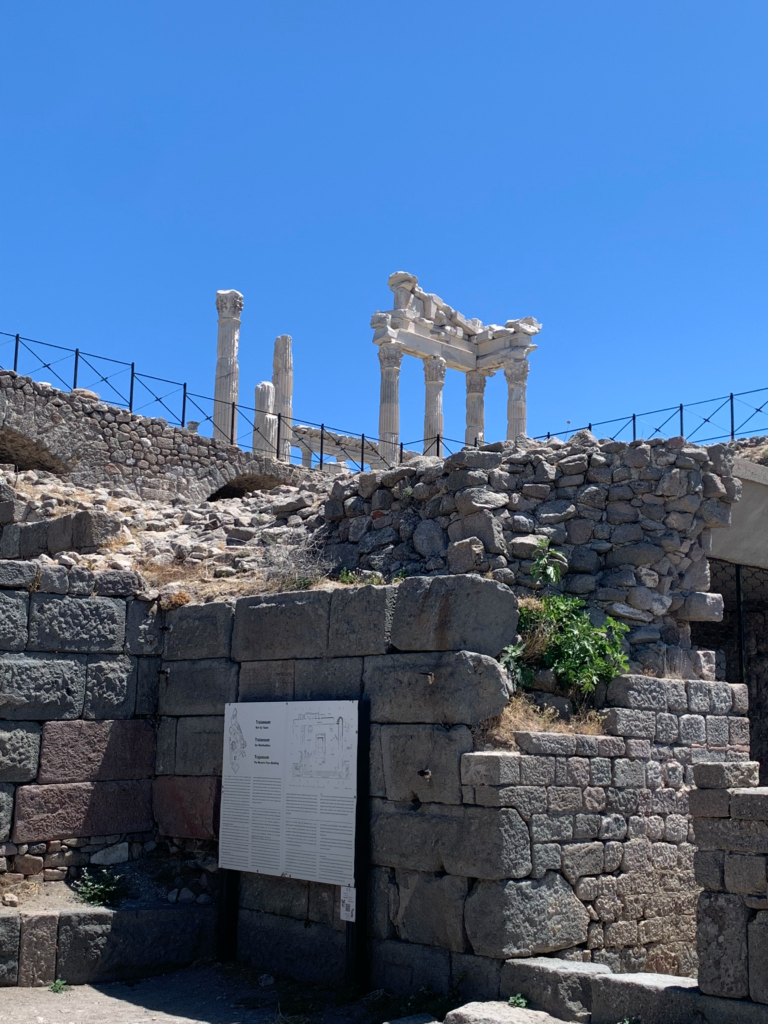
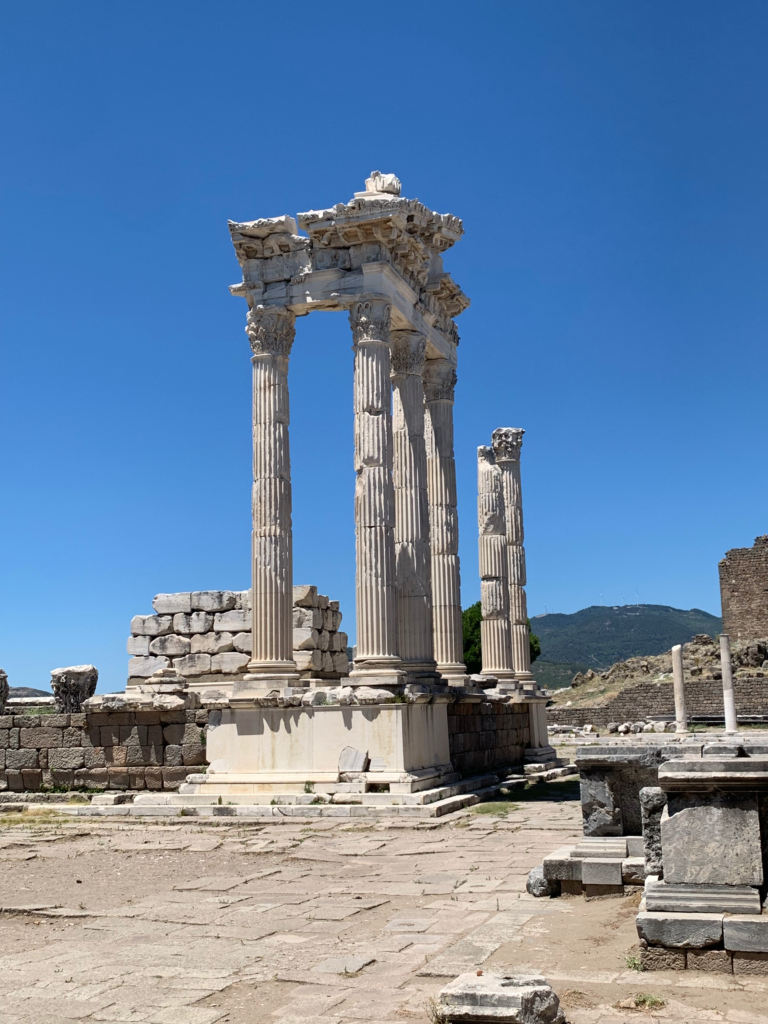
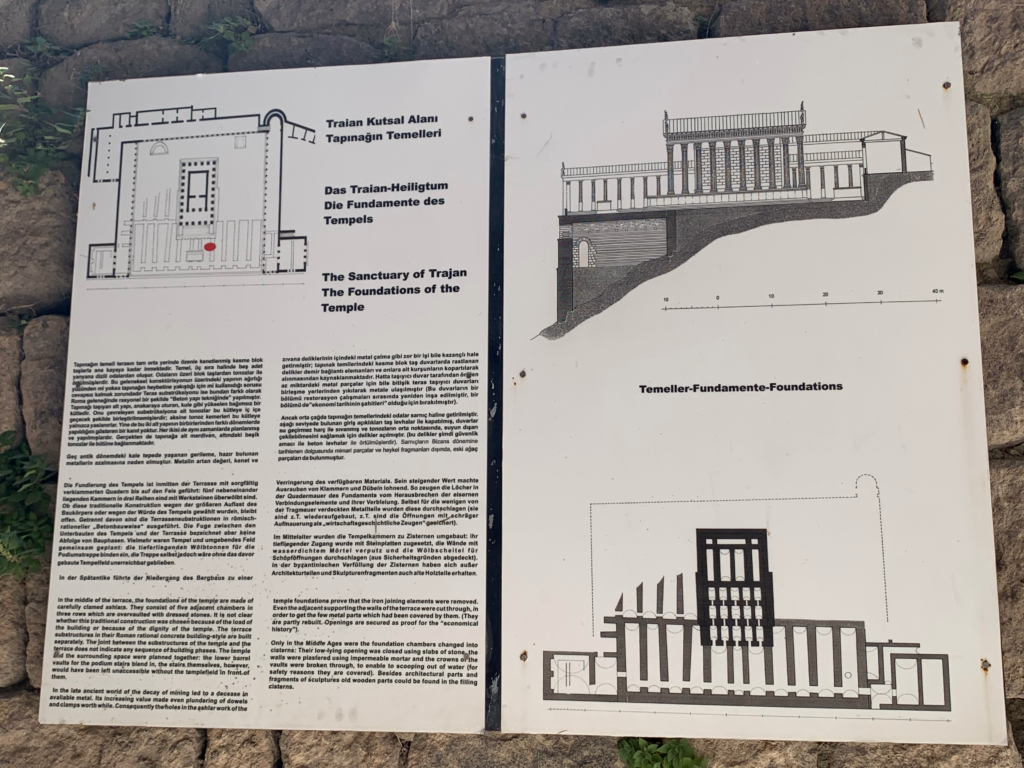
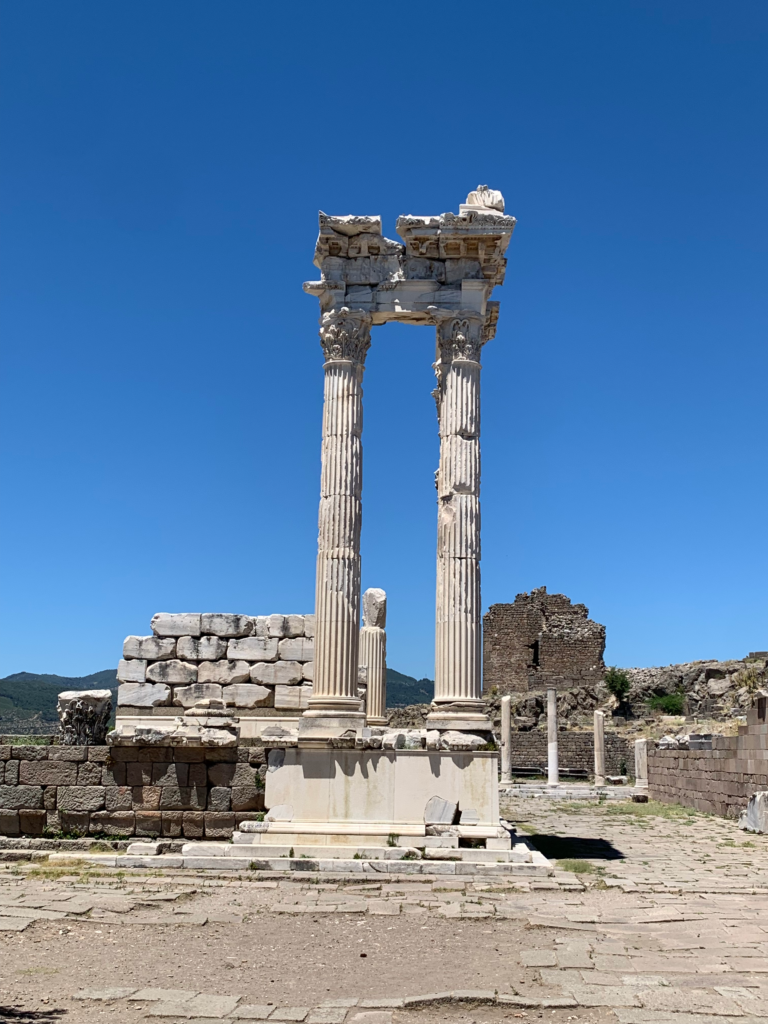
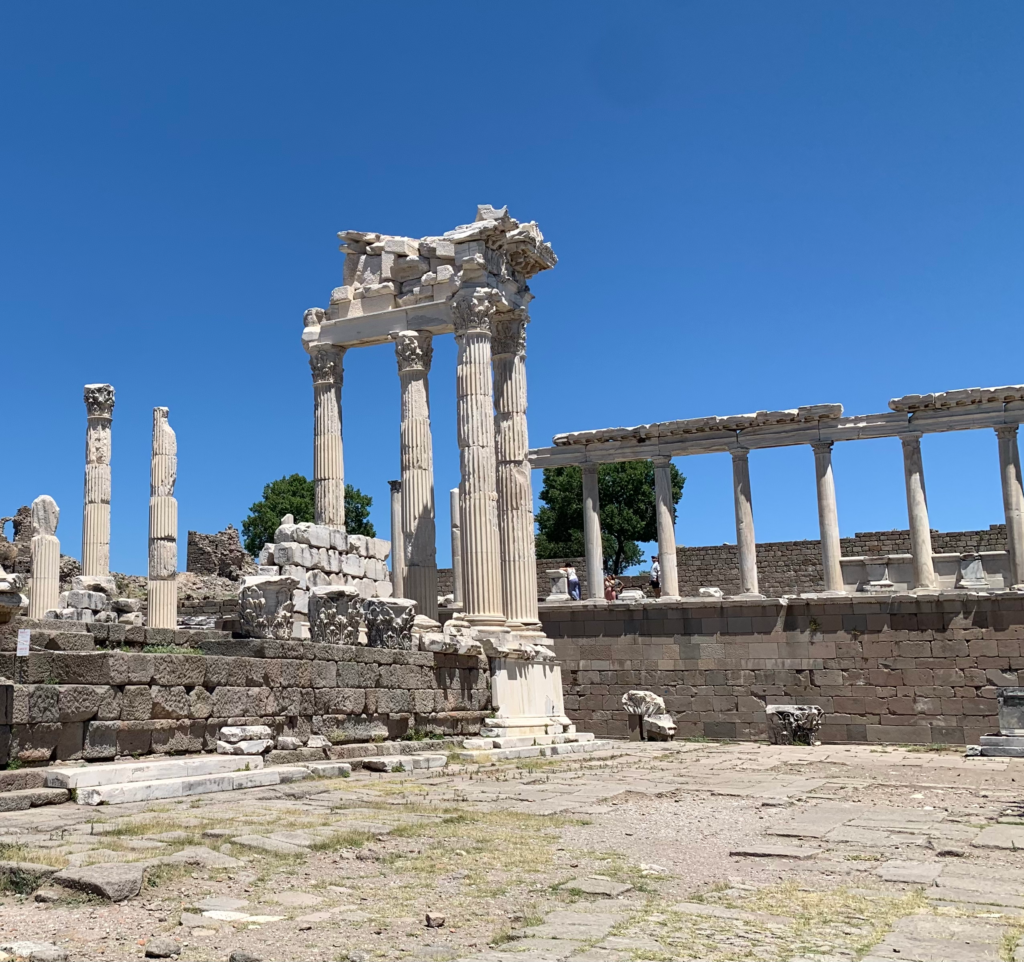
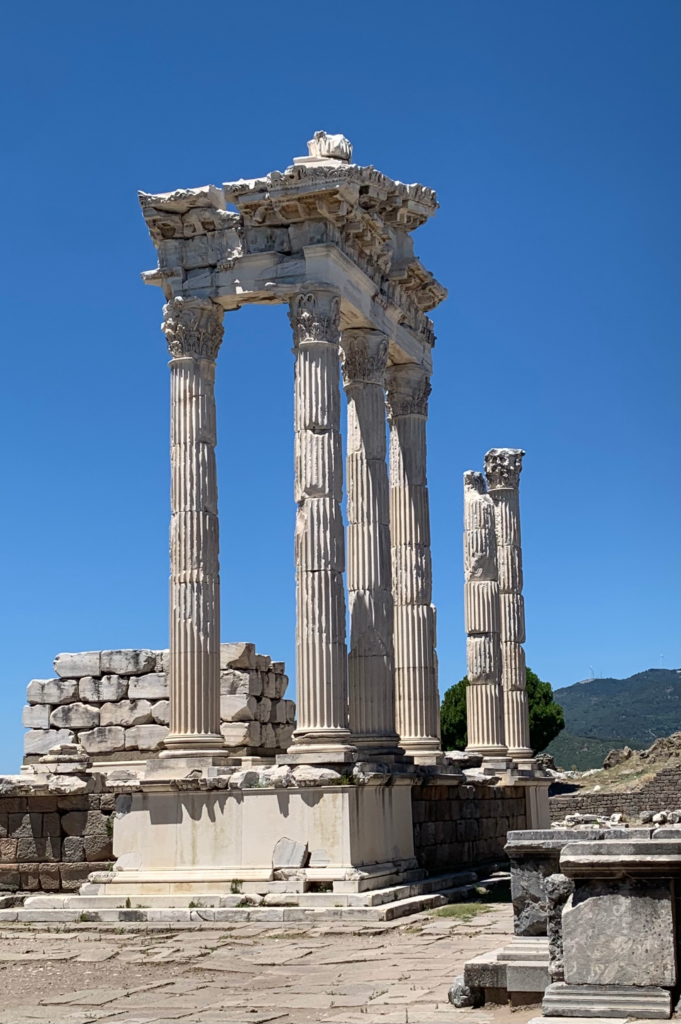
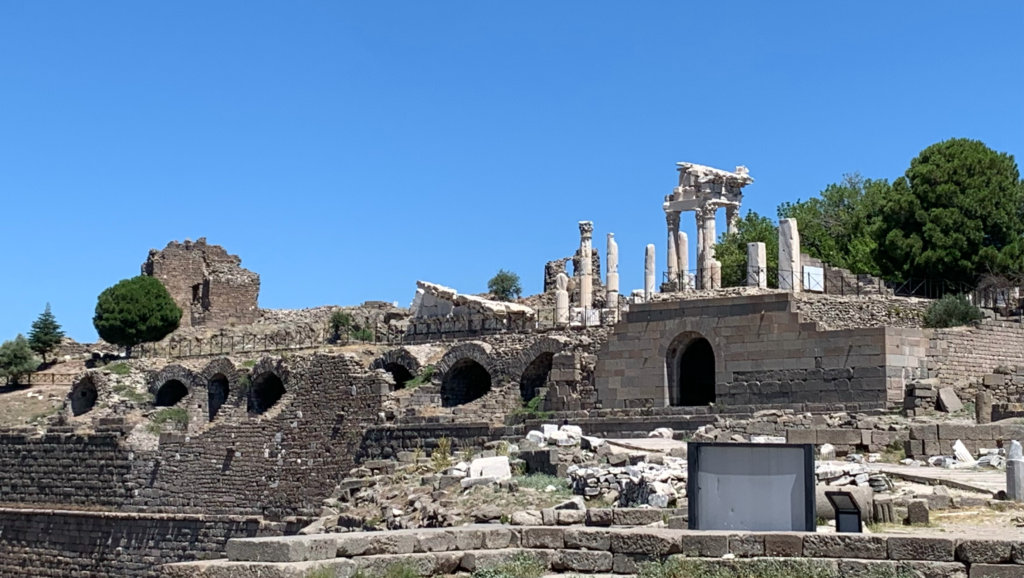
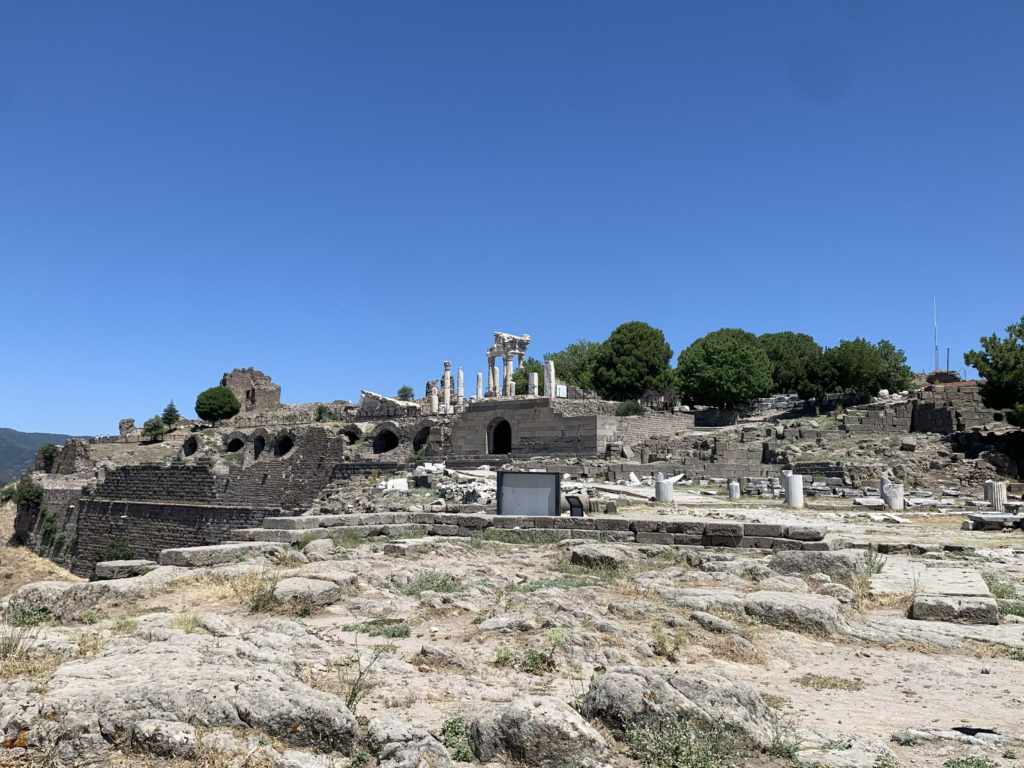
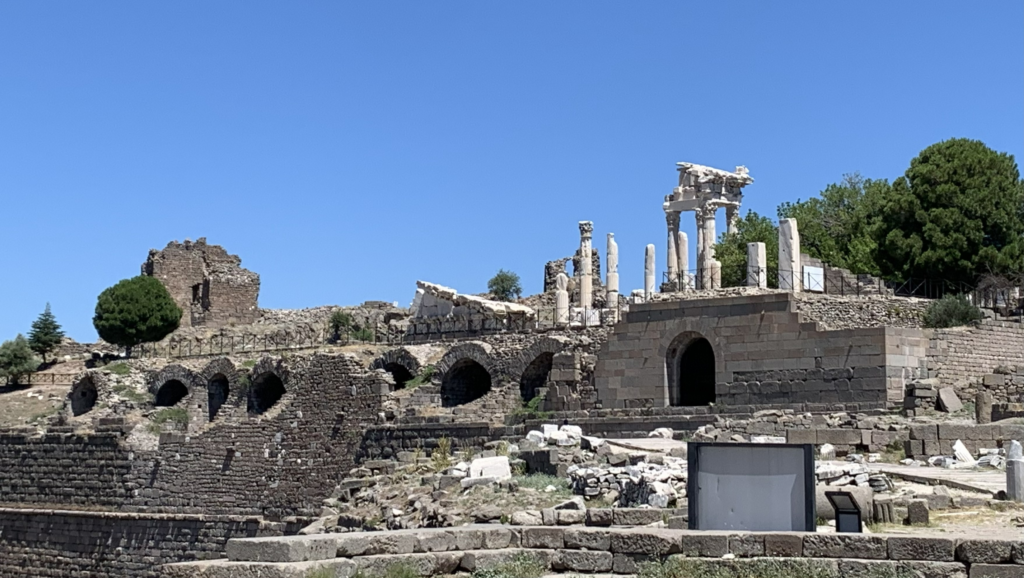
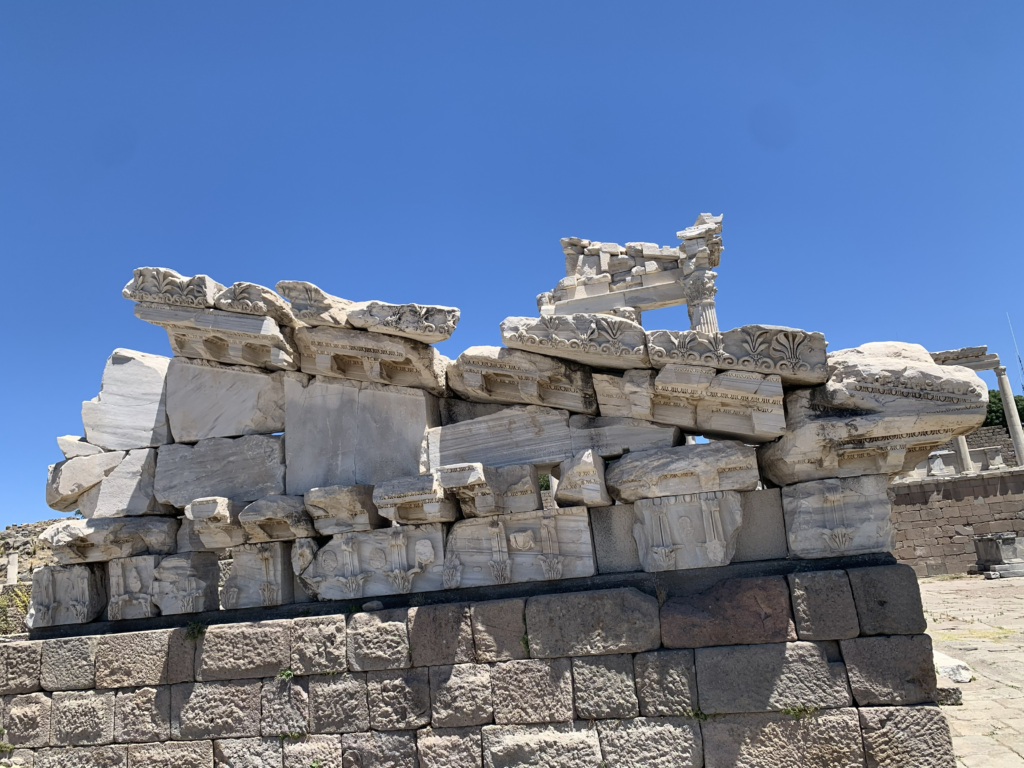
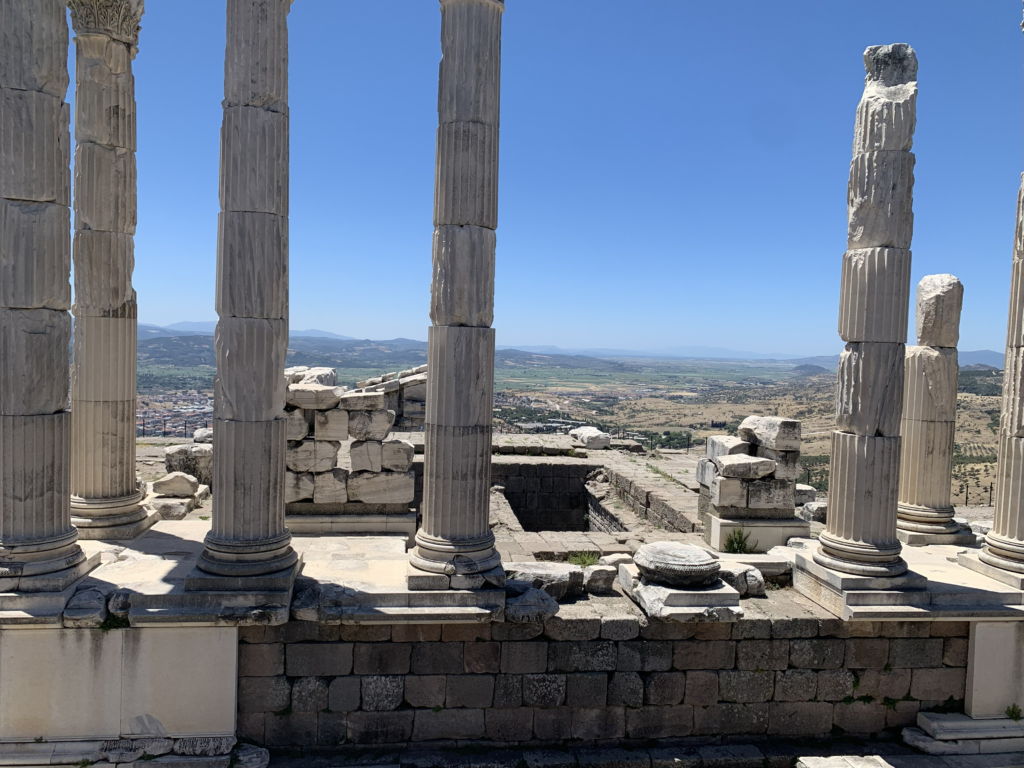
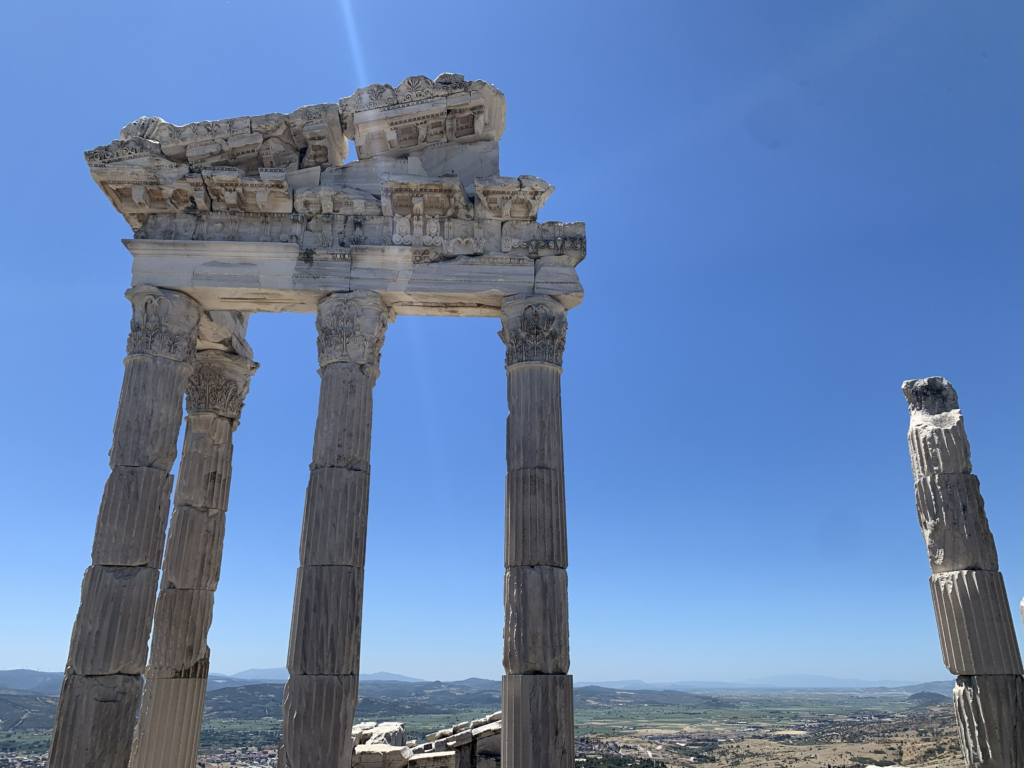
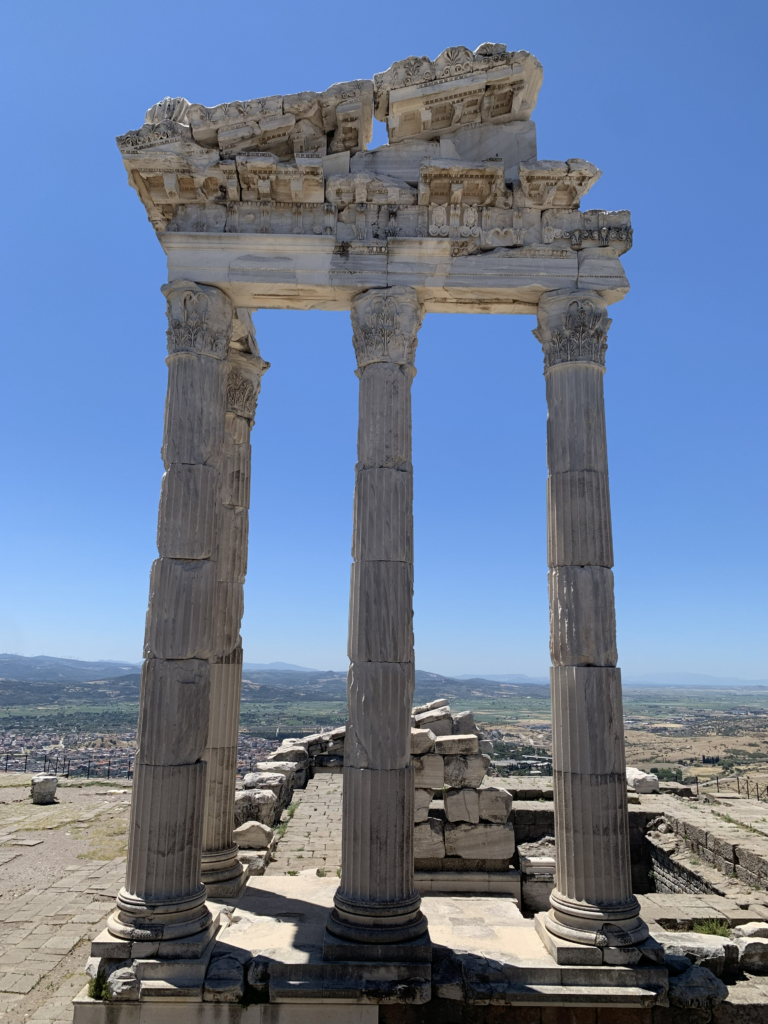
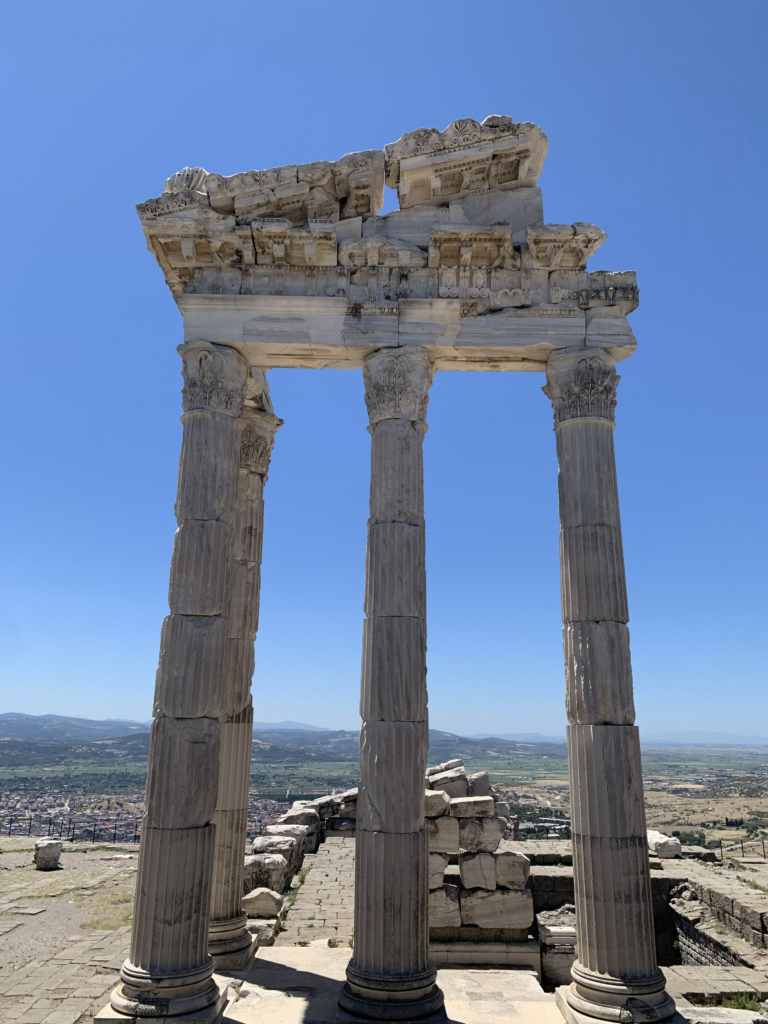
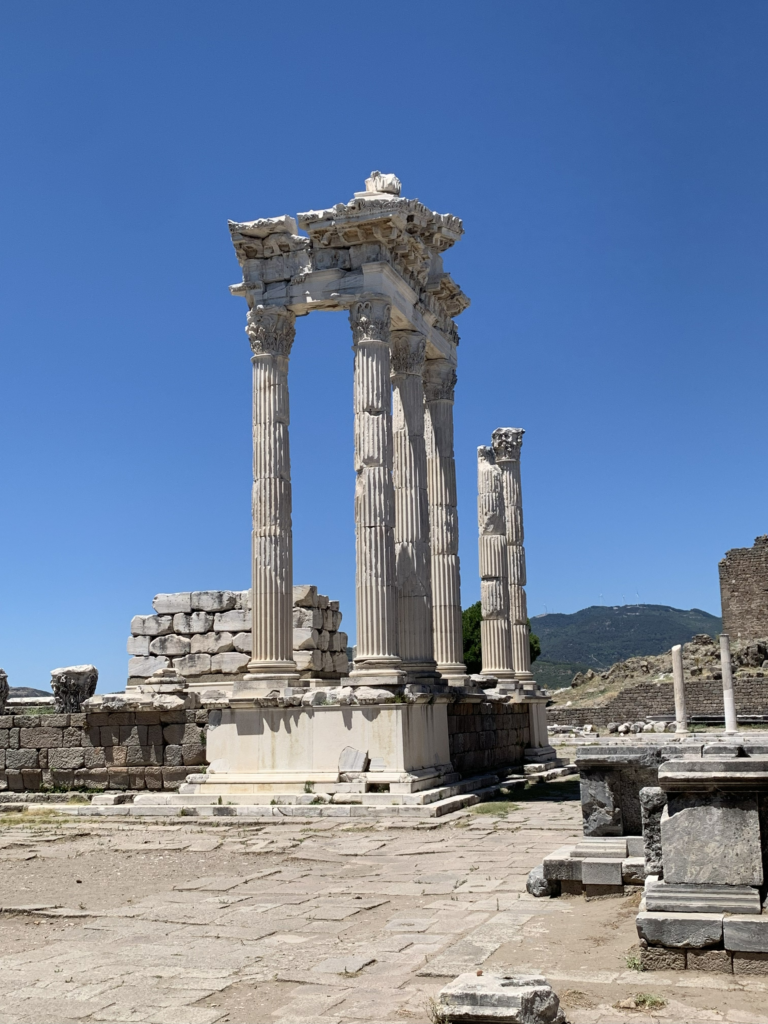
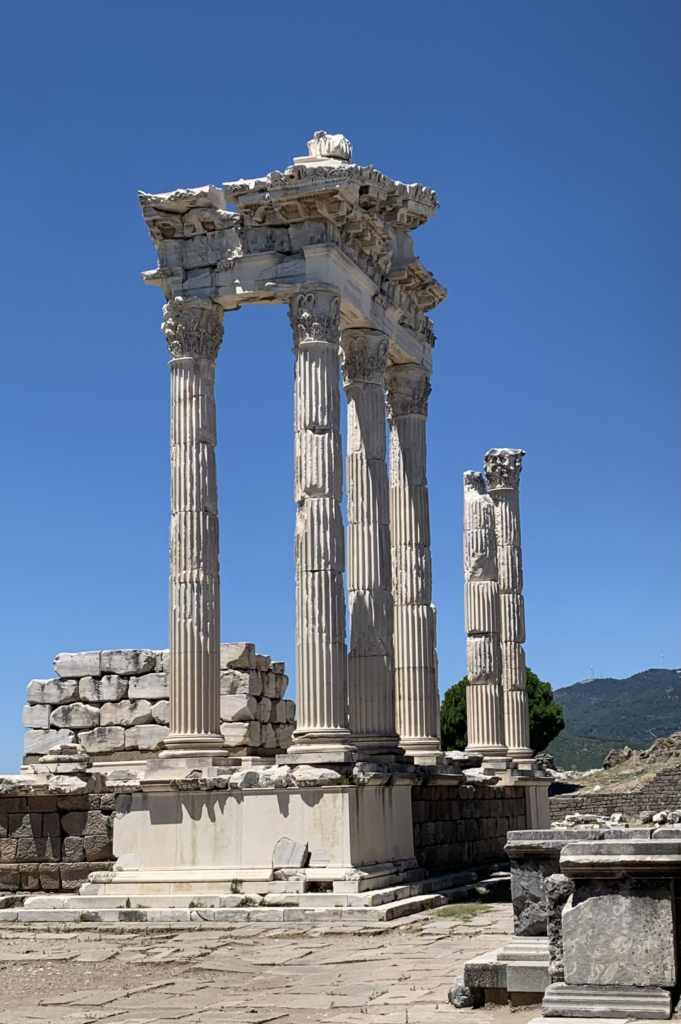
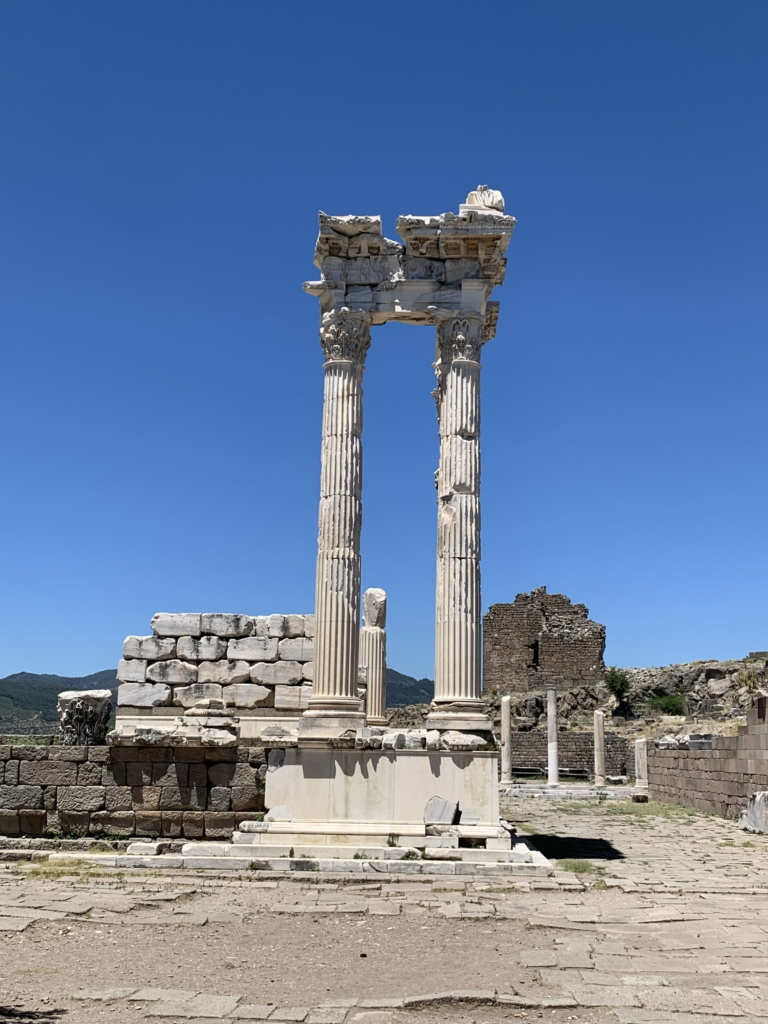
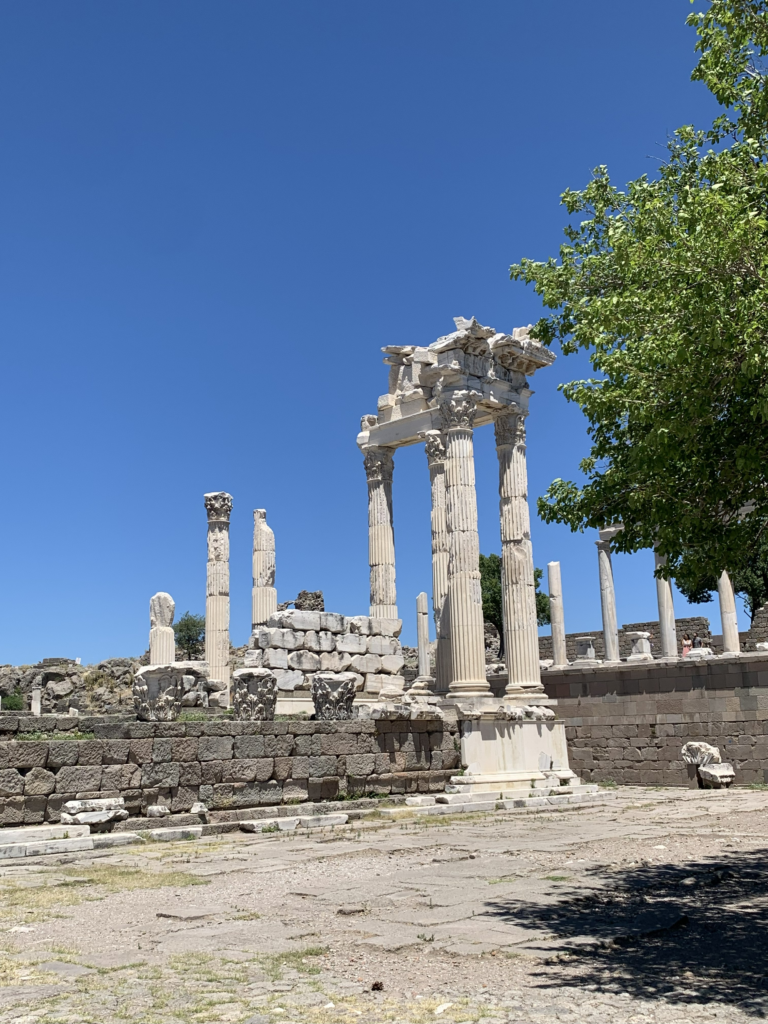
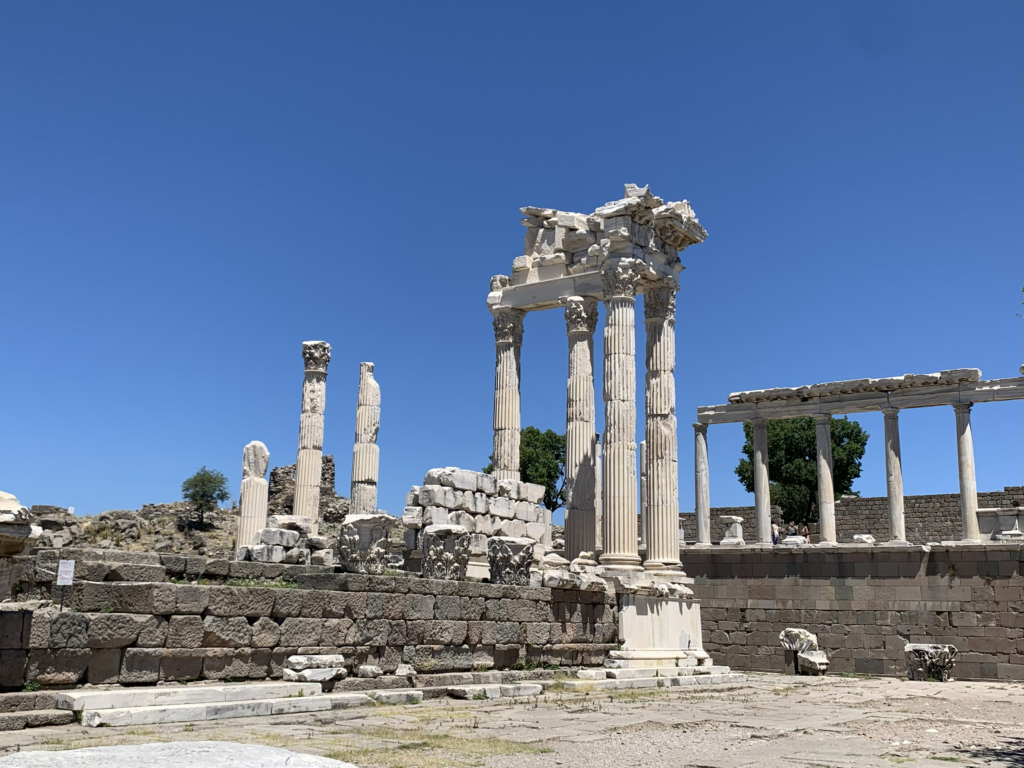
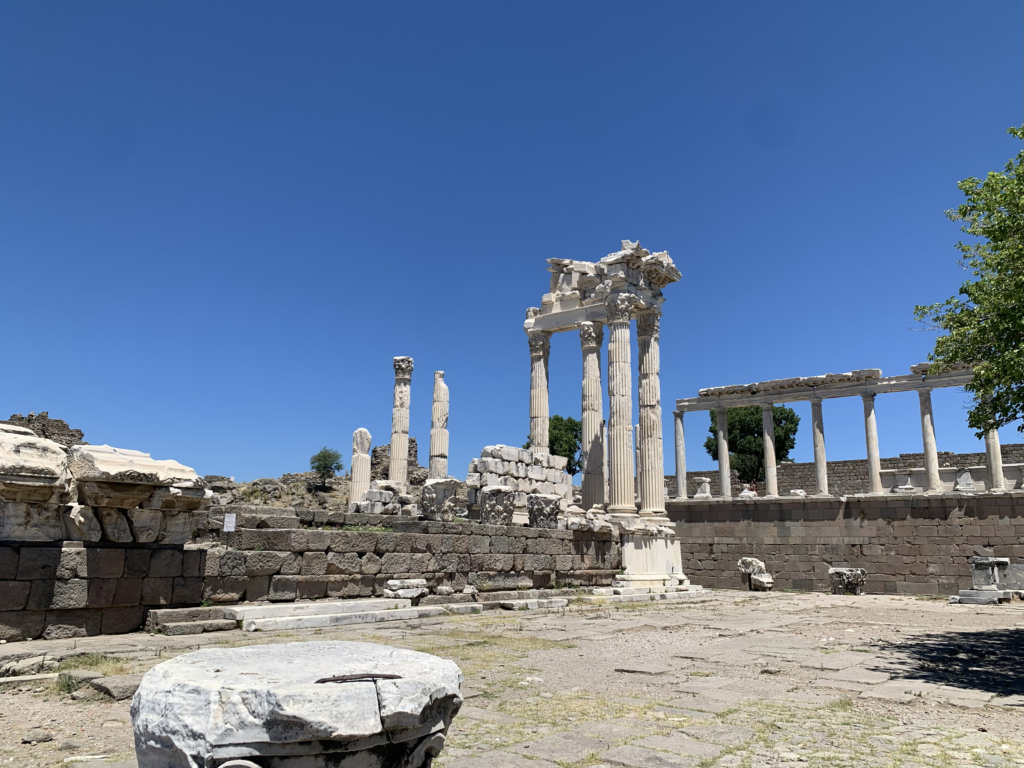
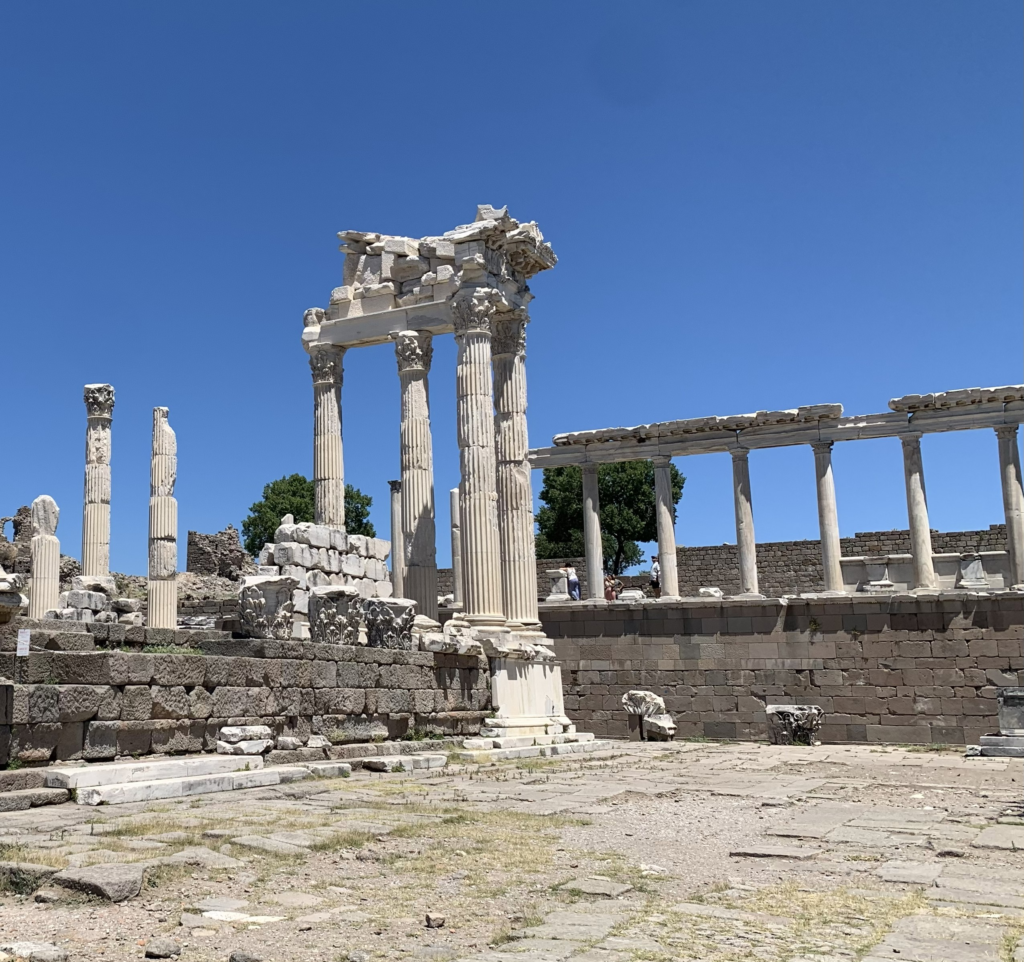
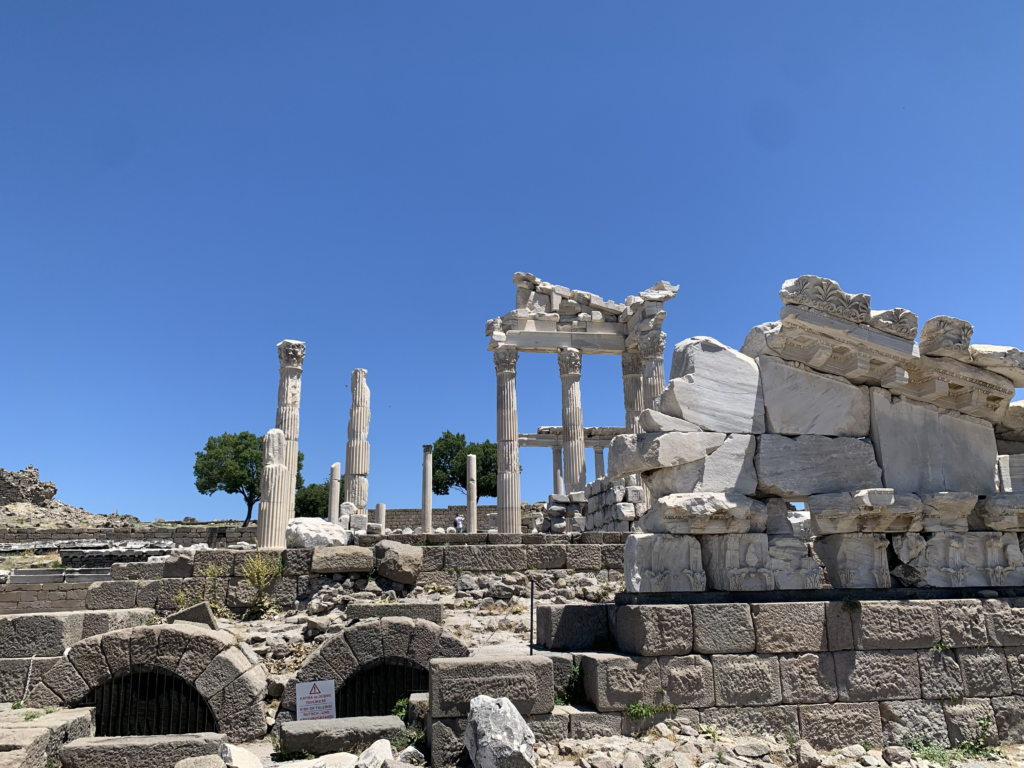
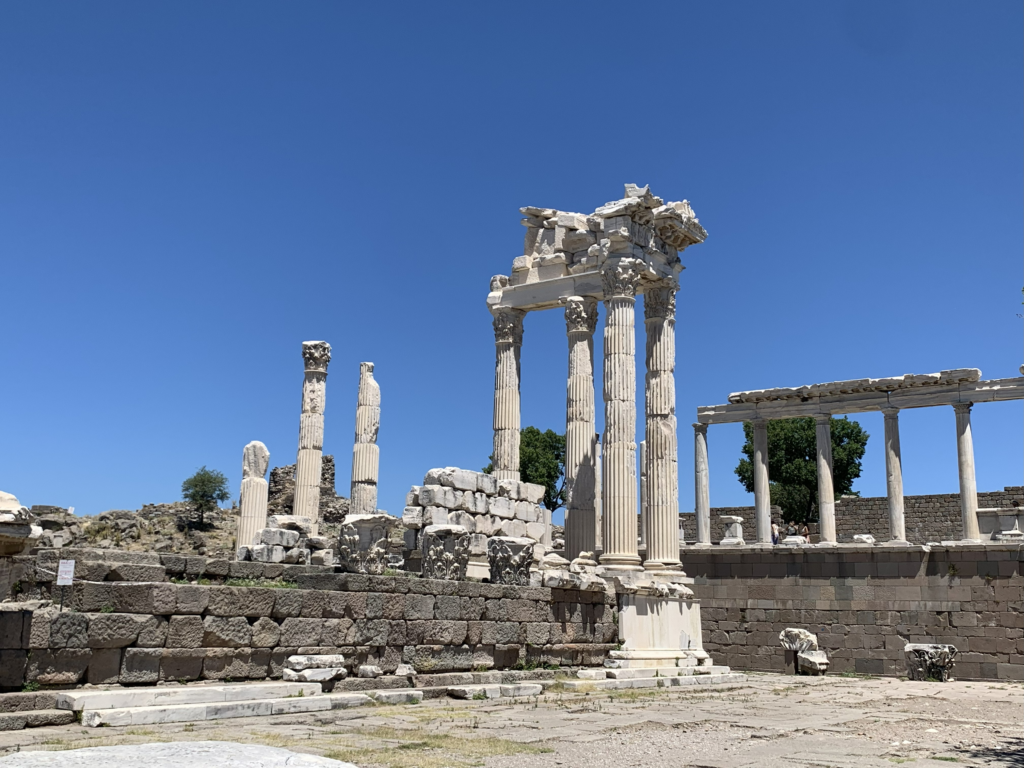
This system is considered a testament to the advanced engineering skills of the Greeks and Romans. The use of lead pipes and the ability to manage the pressure of the inverse siphon are particularly notable.” That is how this cistern was filled. The piece in the middle was for determining how much water was in the cistern. ↩︎ - Ruins of the temple of Trajan. See the slanted line of the top of the temple? And then see the line of the stack of ruins in the far right of the picture. That will eventually go up top, but it’ll take a while. ↩︎
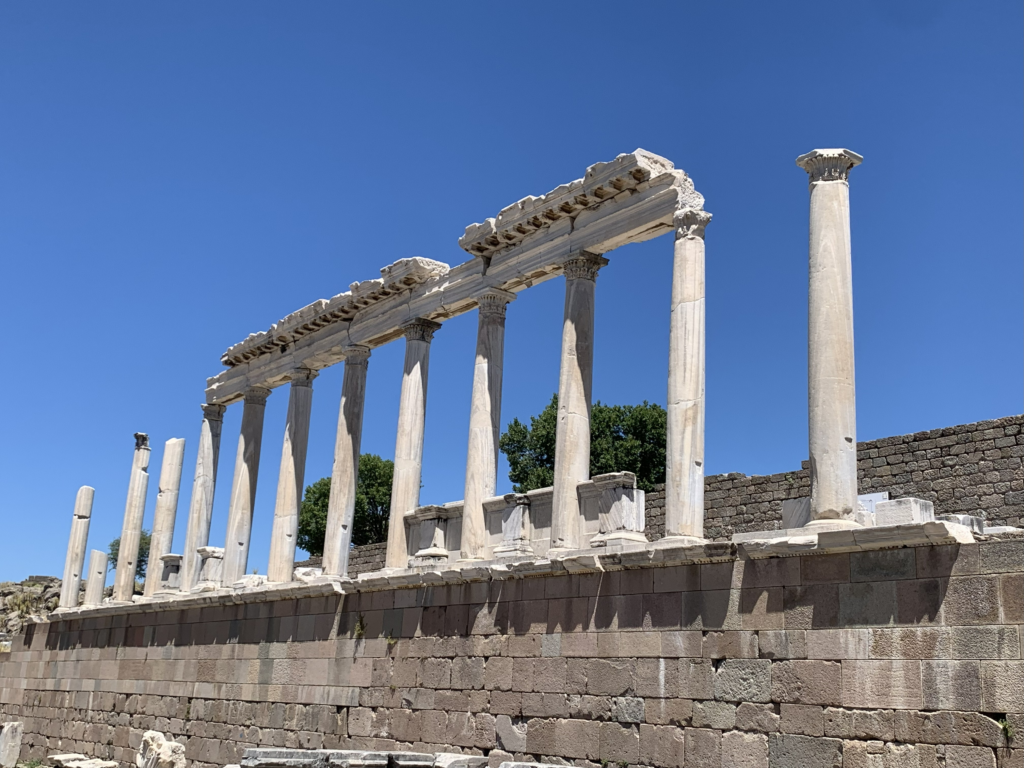
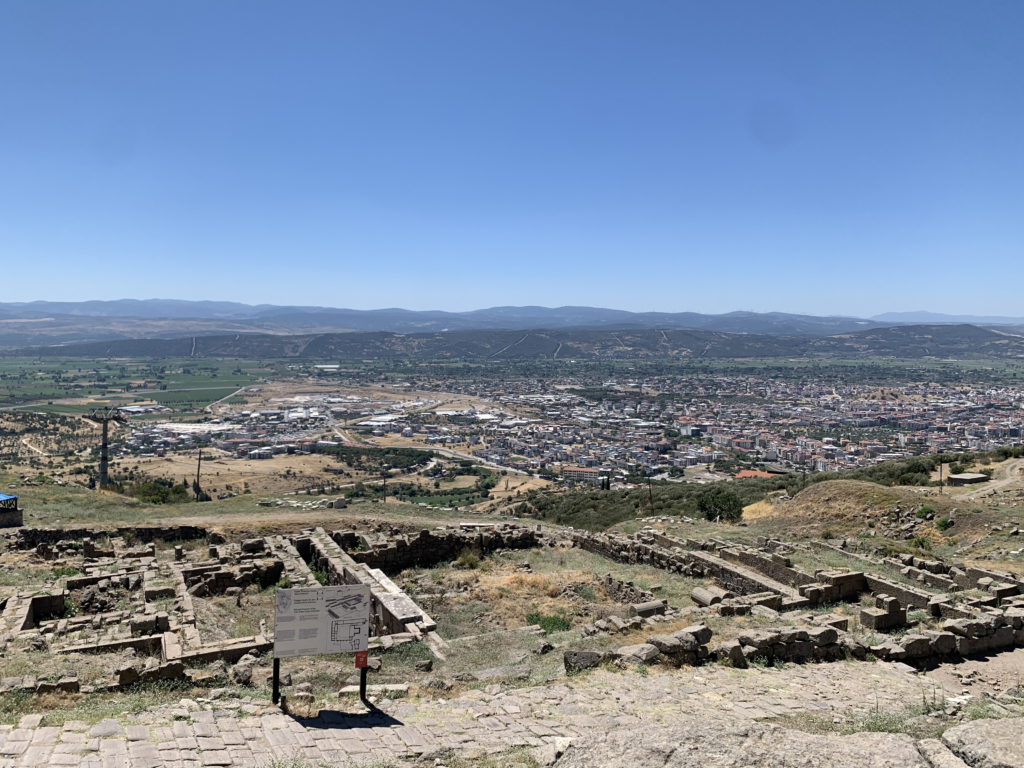
- This is a good view showing the area built up for the temple of Trajan. You can see how some of the walkway is still covered. ↩︎
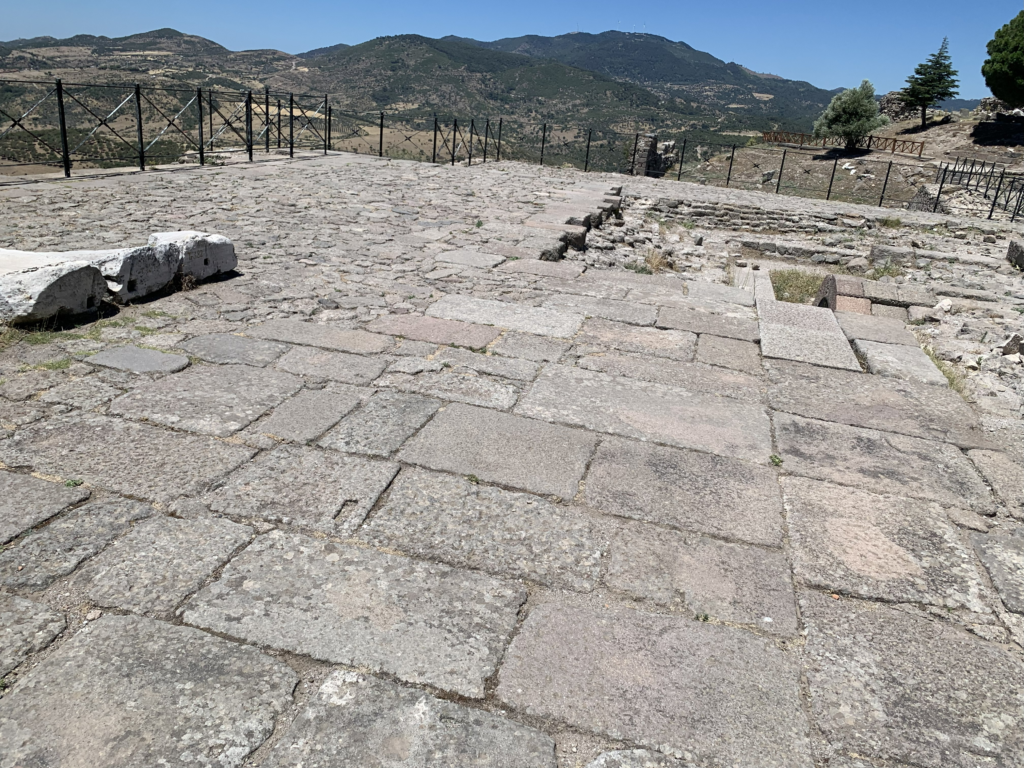
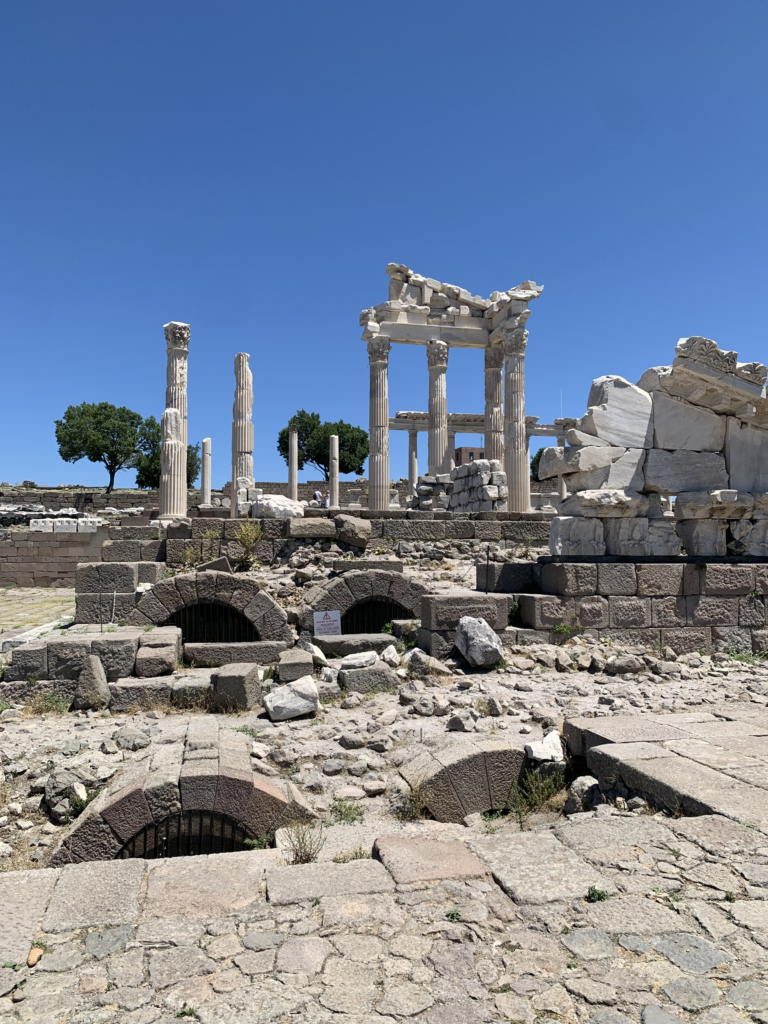
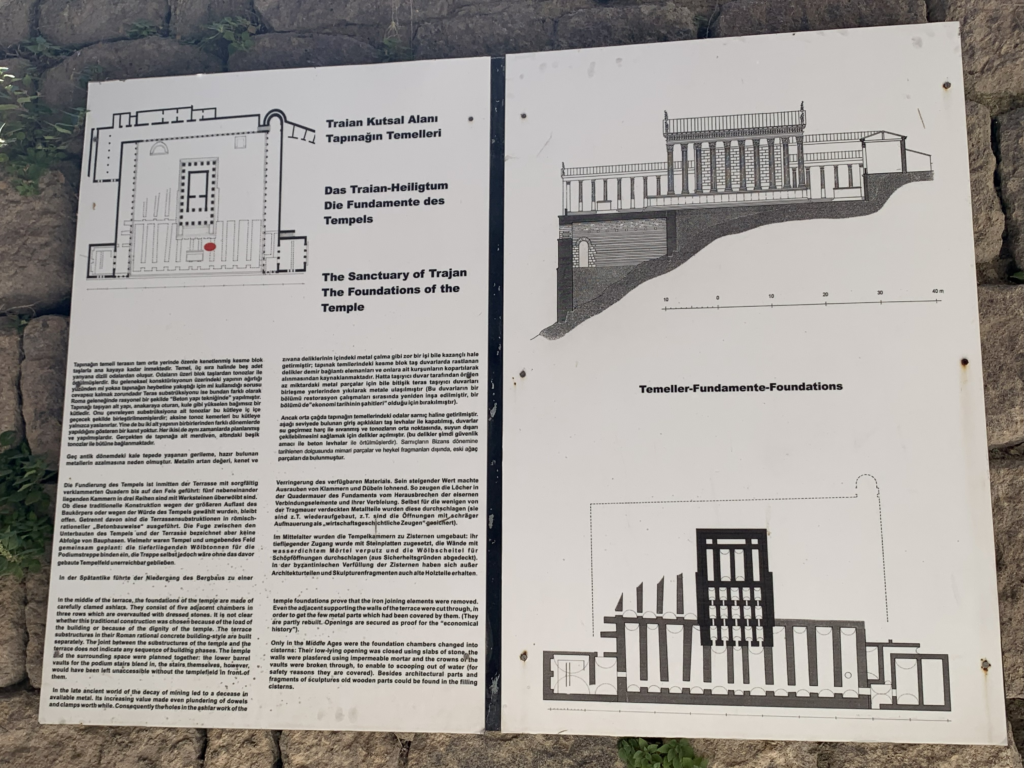
- Picture this completely covered. And picture a shear drop off on the left. This entire area was built to support the grounds of the Temple of Trajan. The engineering looked staggering!! And it has existed on the side of this mountain for all these years!! ↩︎
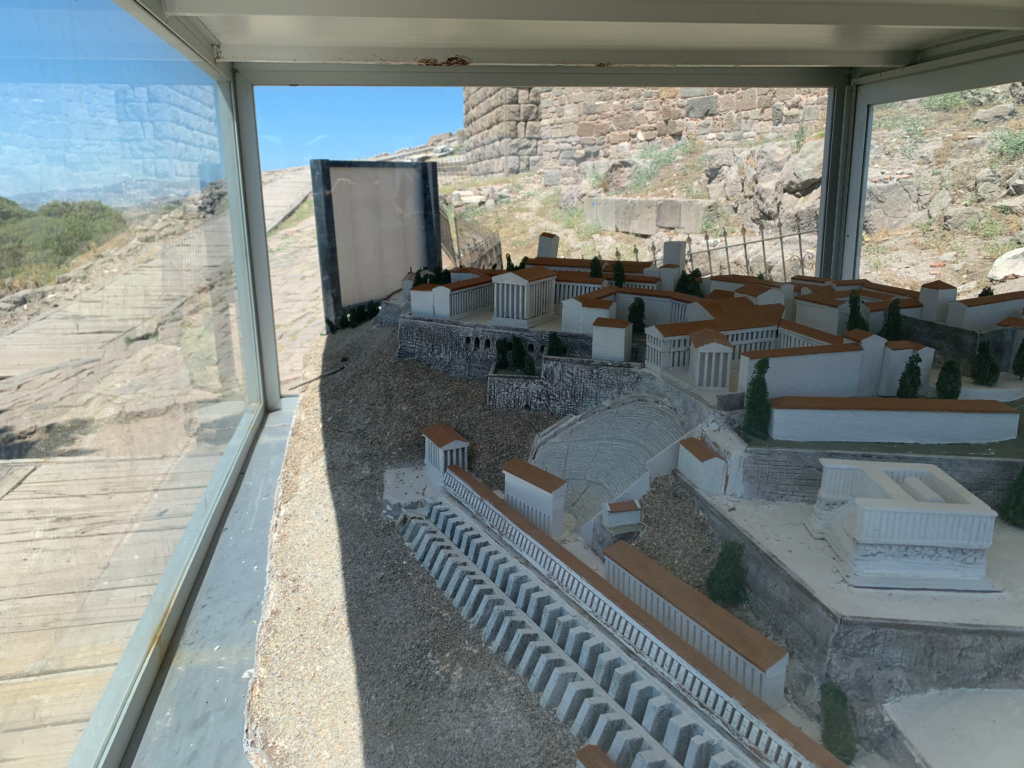
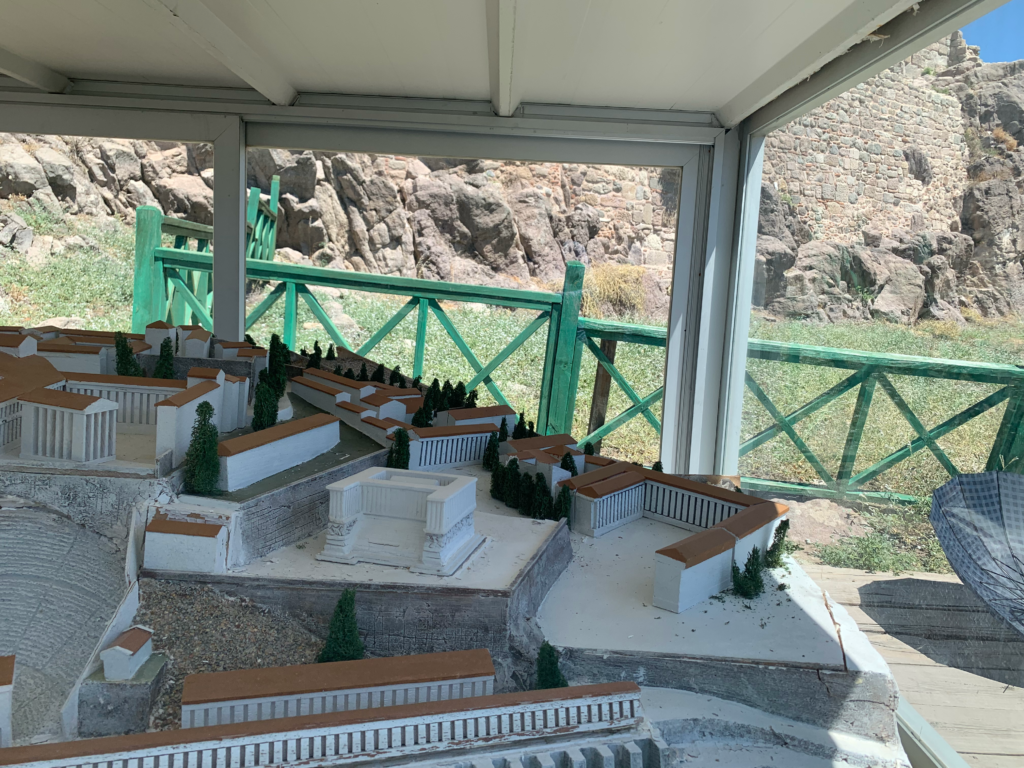
- The top image shows where we went past all the basements – lower left of the image. As we walked through that area, the basement areas were to our right, the drop off to our left. The lower picture, is a bird’s-eye view and shows the long (and tall) basements and the white line where it is a walkway. The darker image is the temple. ↩︎
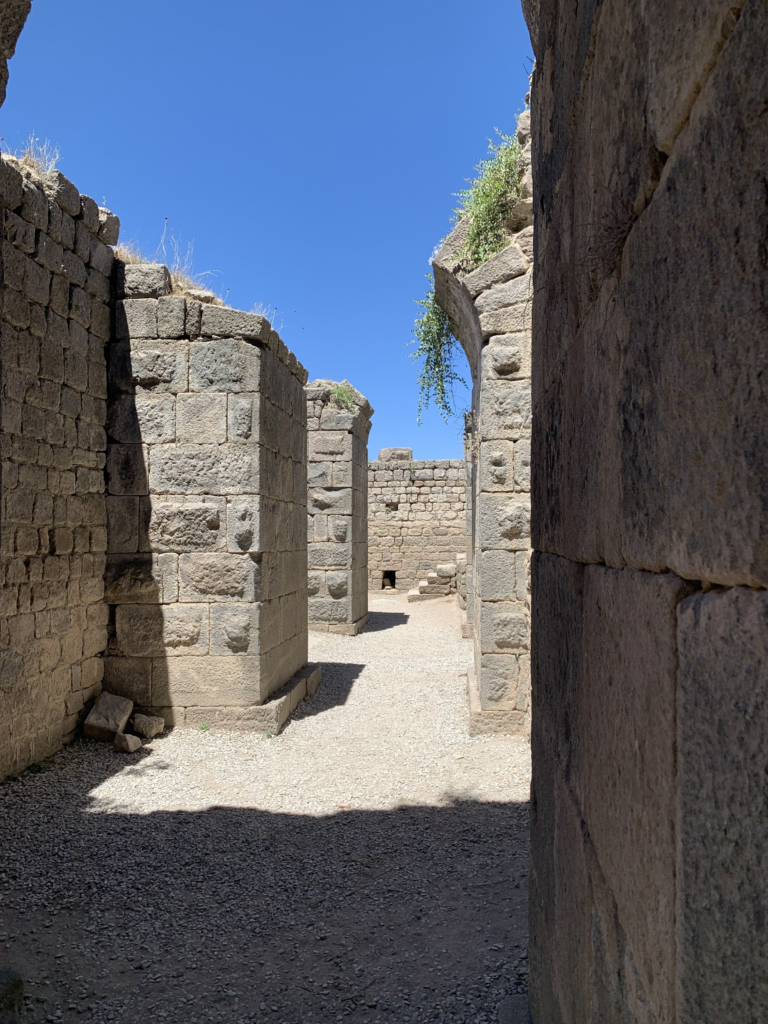
- Walking past “basements” under the grounds of the temple. You can see in the picture that the wall ahead used to curve completely. As mentioned, this area used to be completely covered – drop off to the left, a series of “basements” to the right. ↩︎
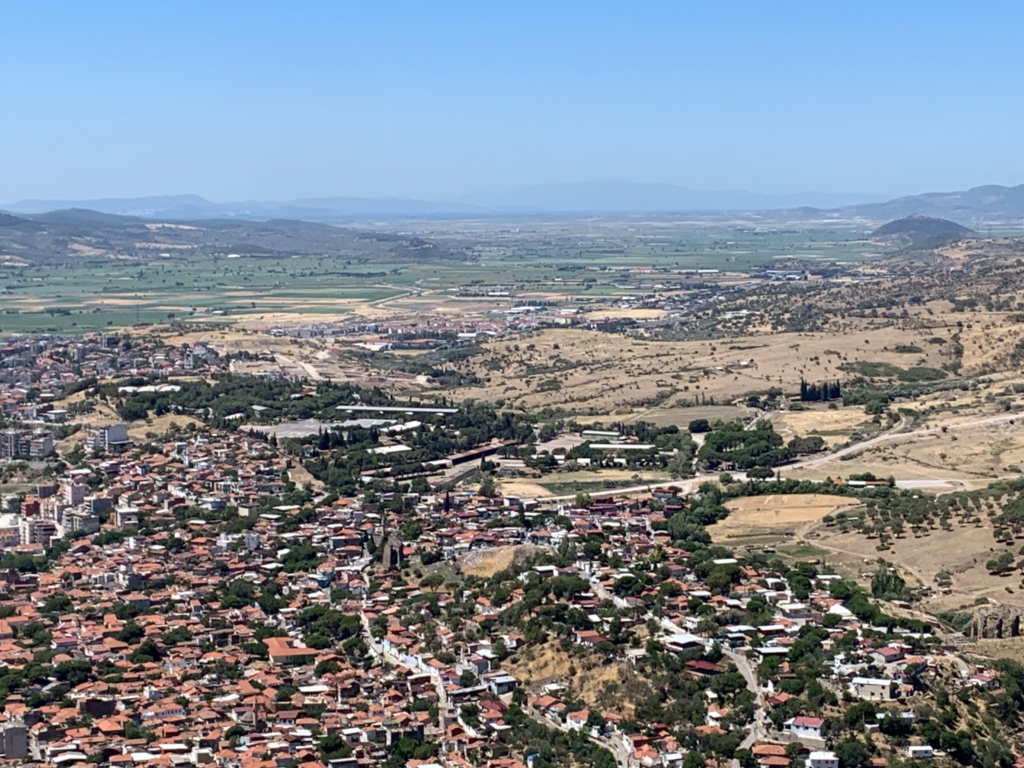
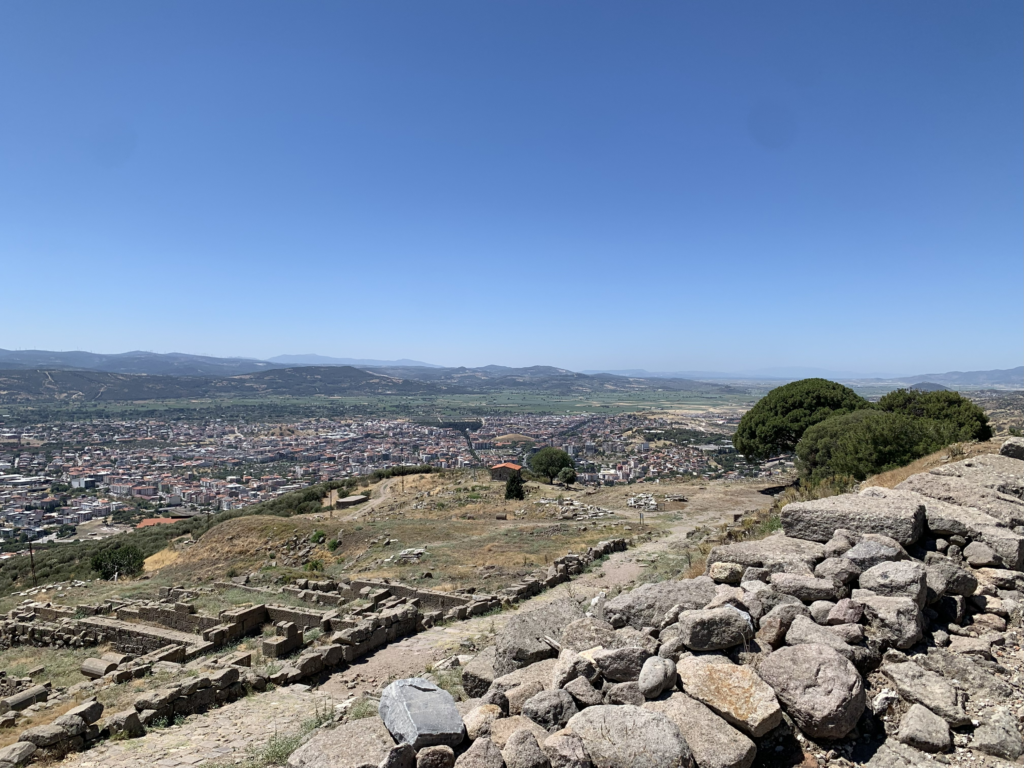
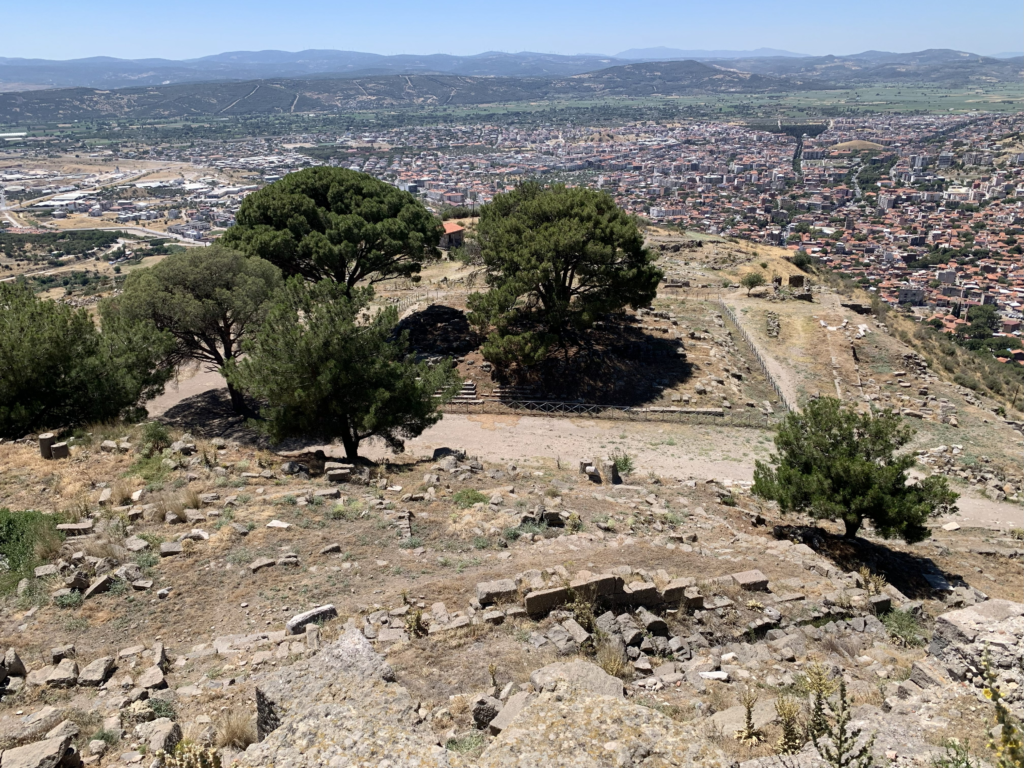
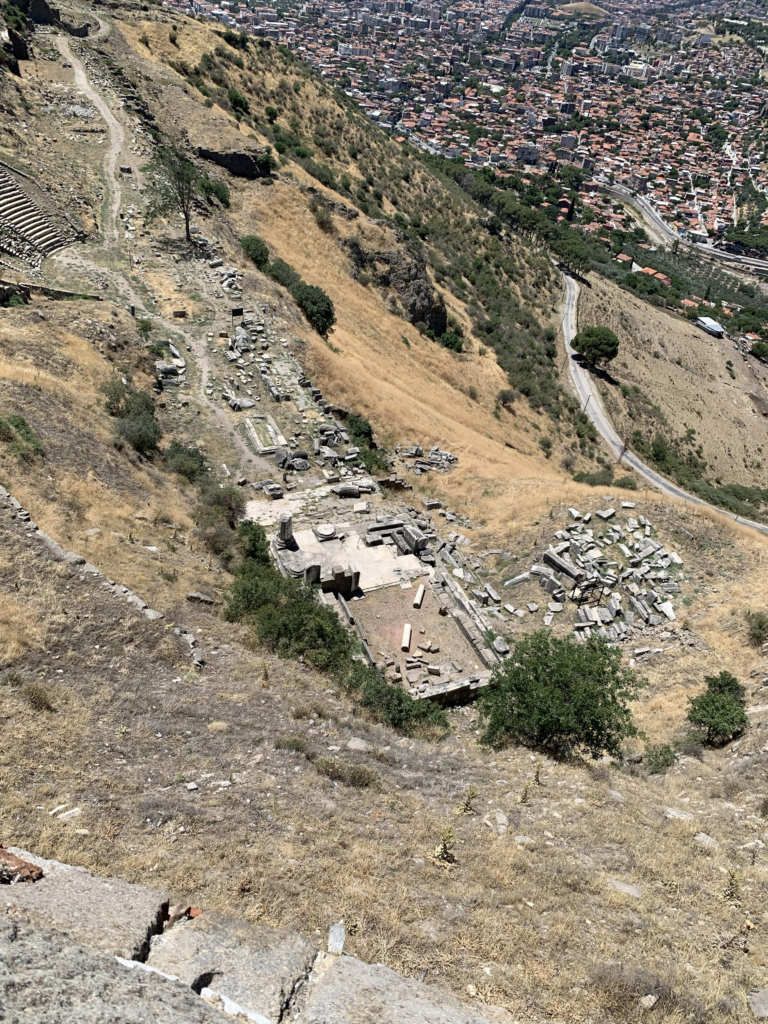
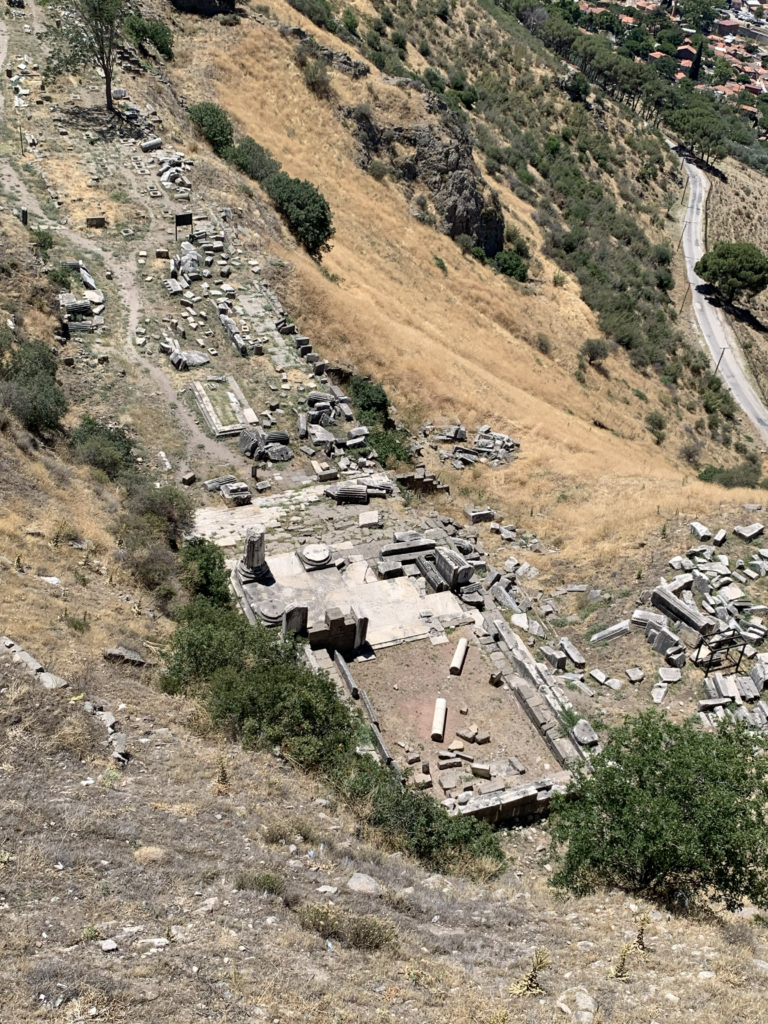
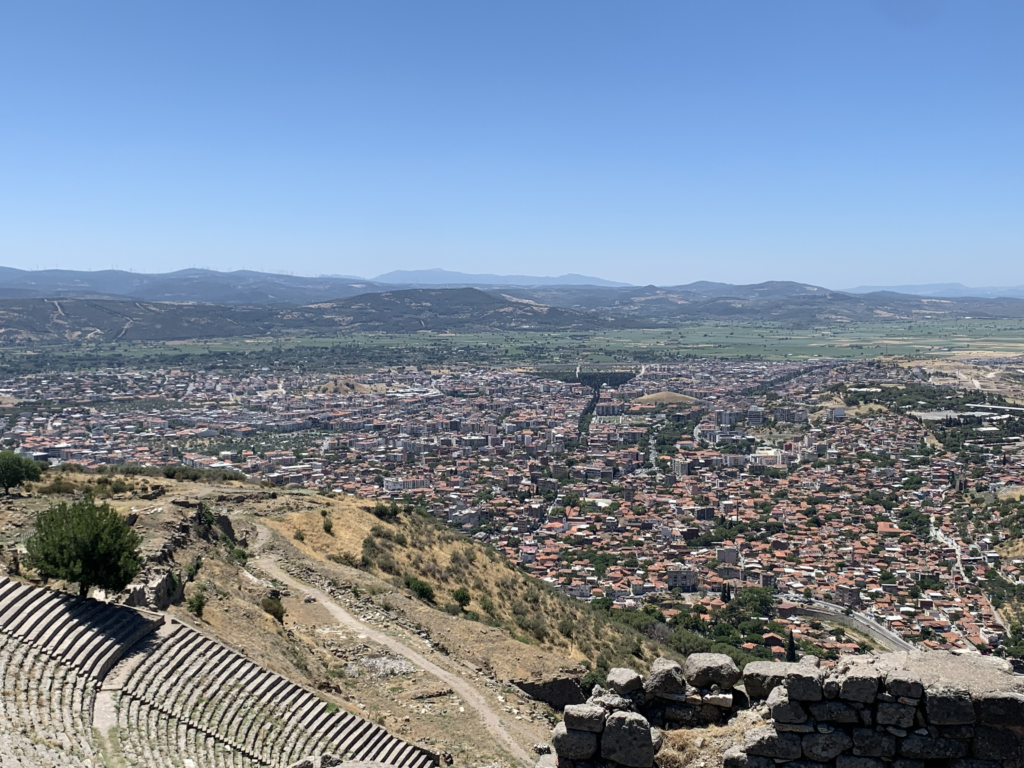
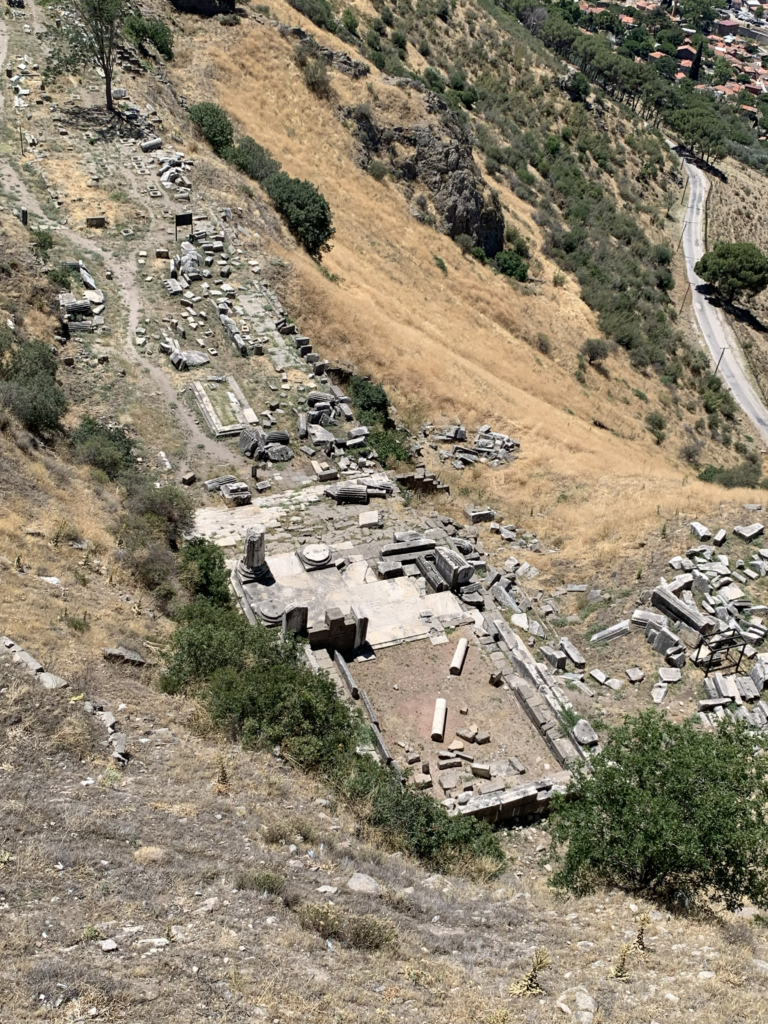
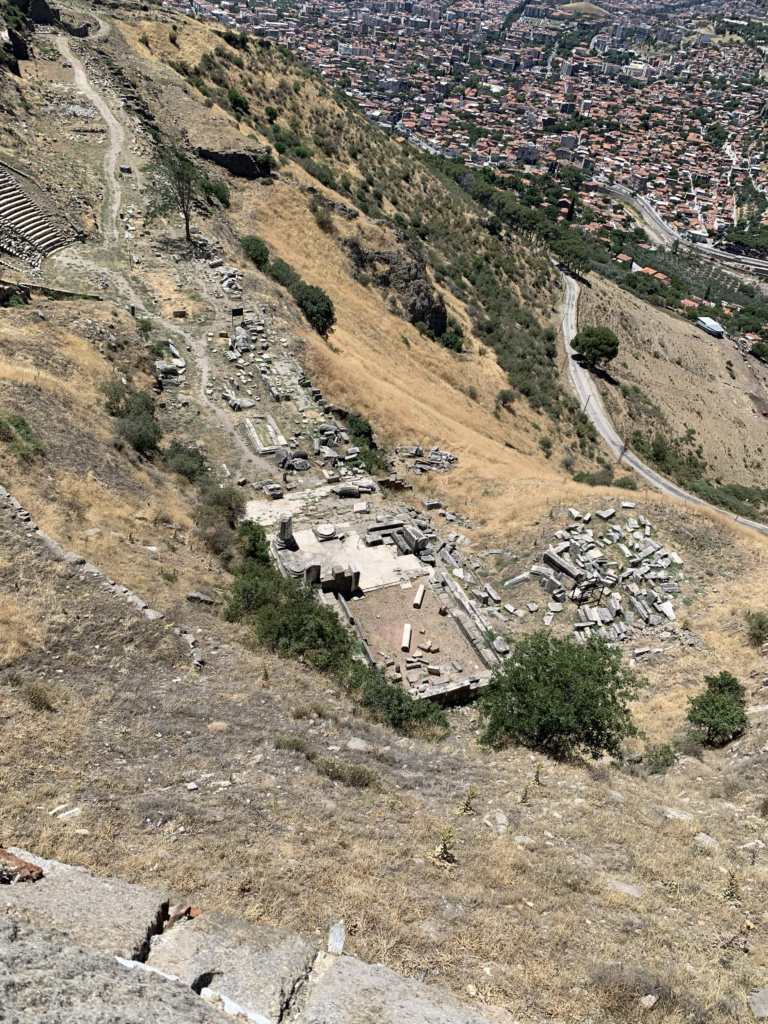
- From the Temple of Trajan grounds, one can see the Temple of Dionysus and the city of Bergama.
↩︎ - Looking down from the Temple of Trajan grounds to the ruins of the Temple of Dionysus ↩︎
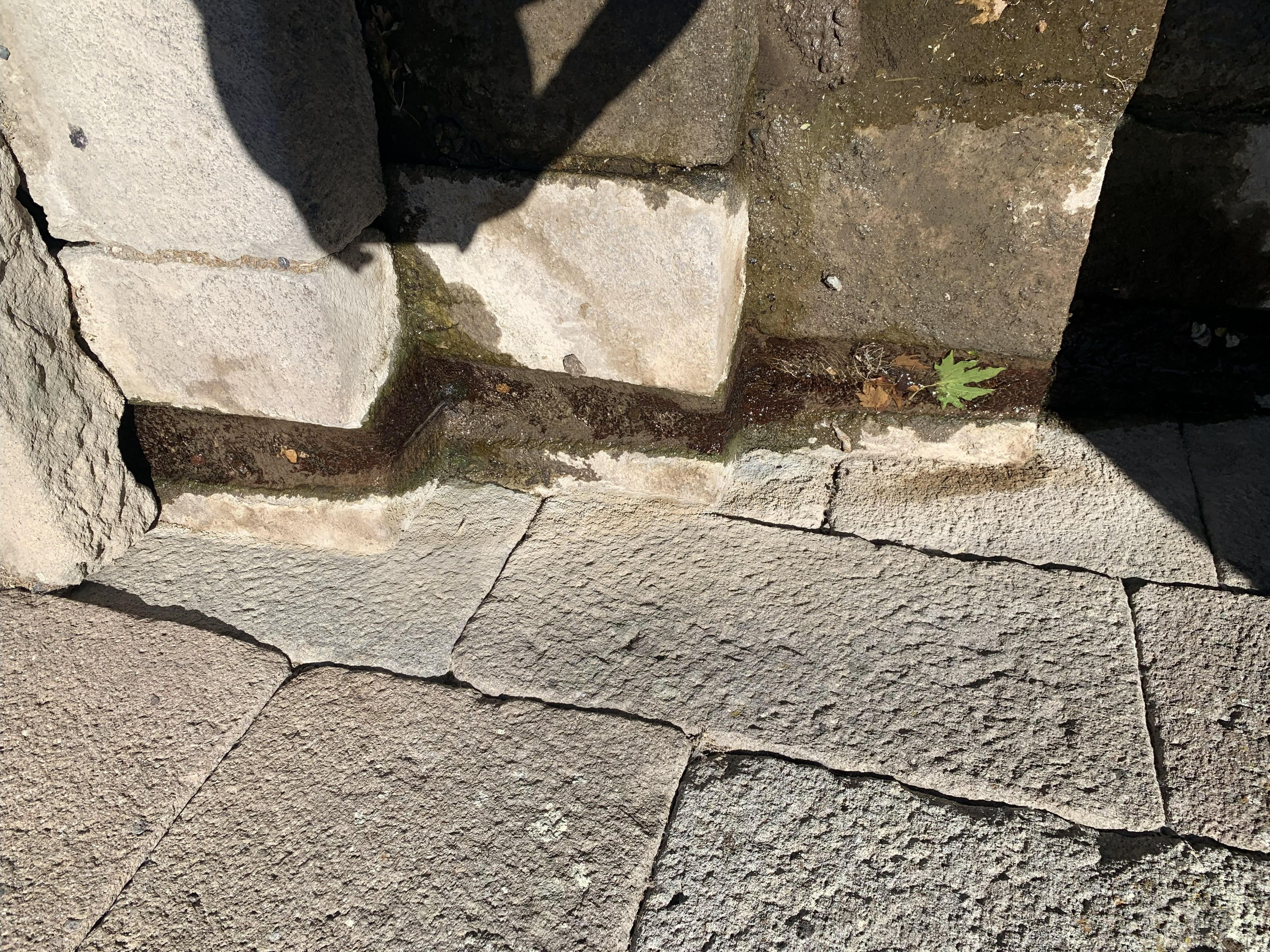
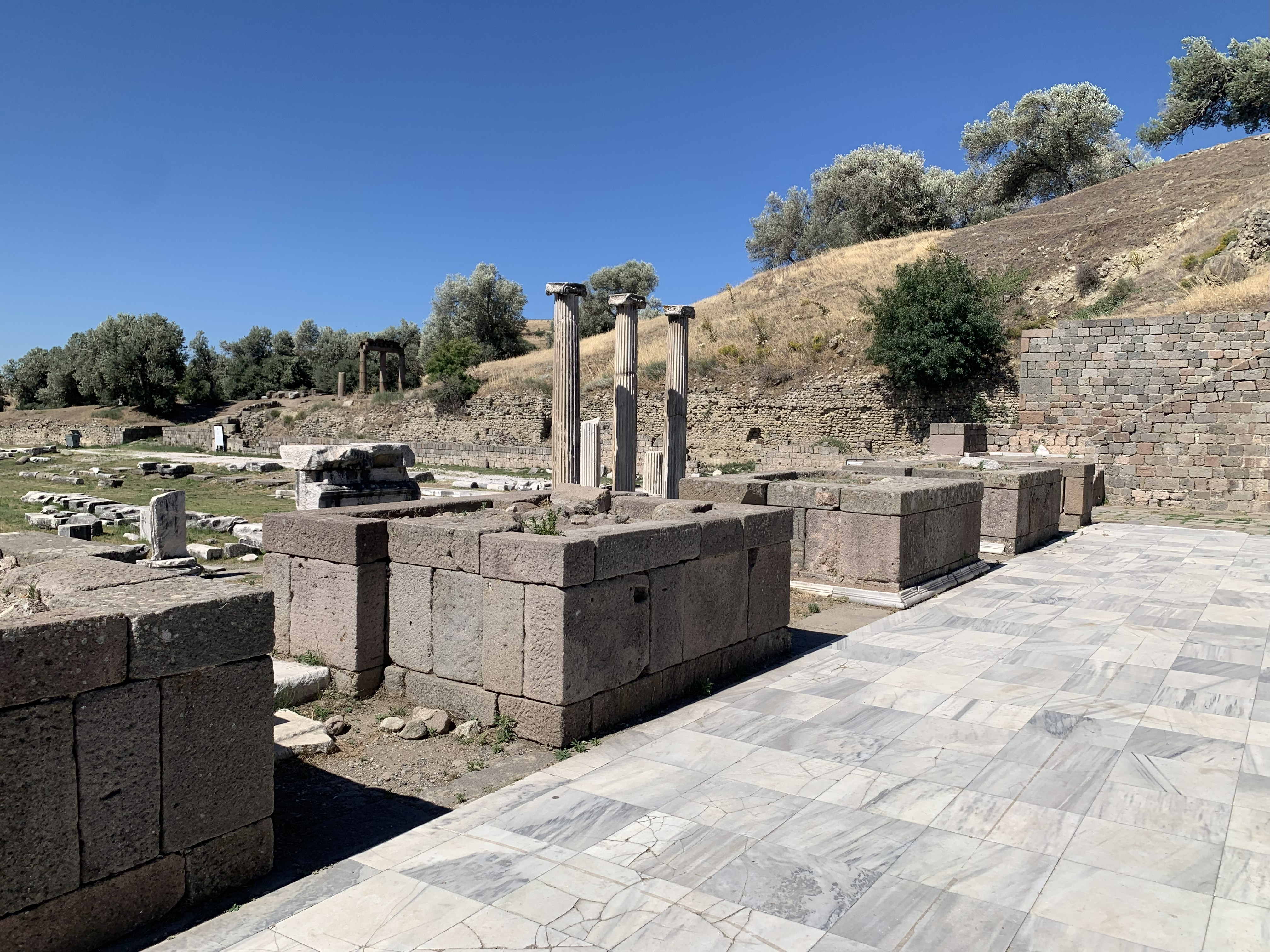
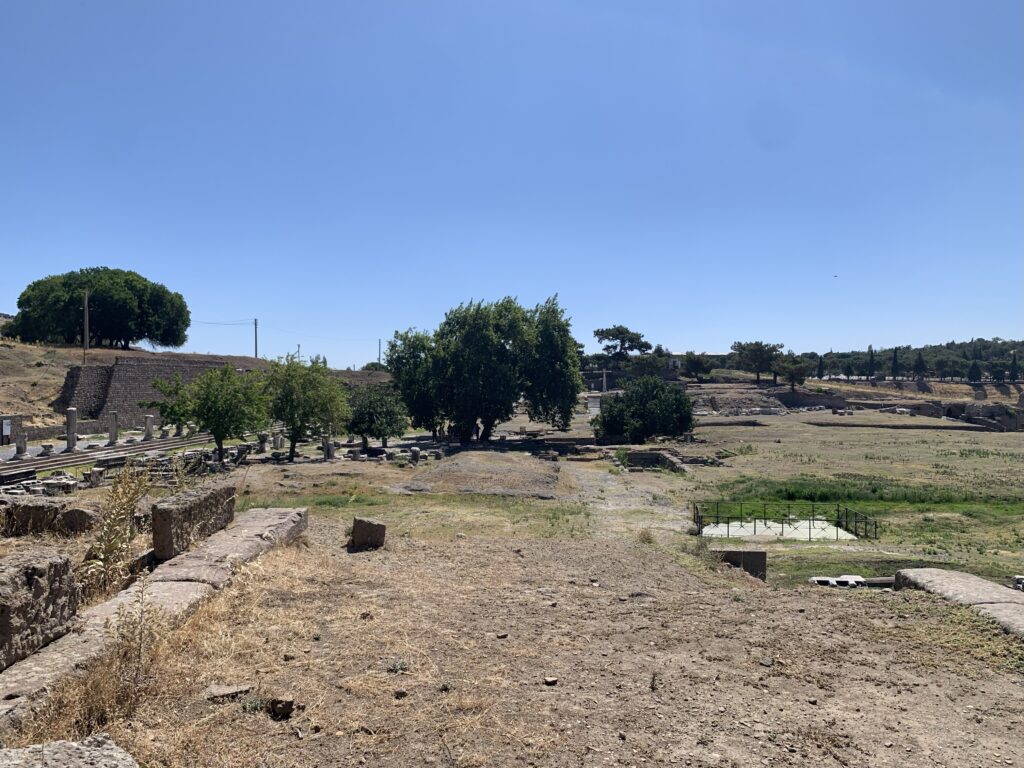
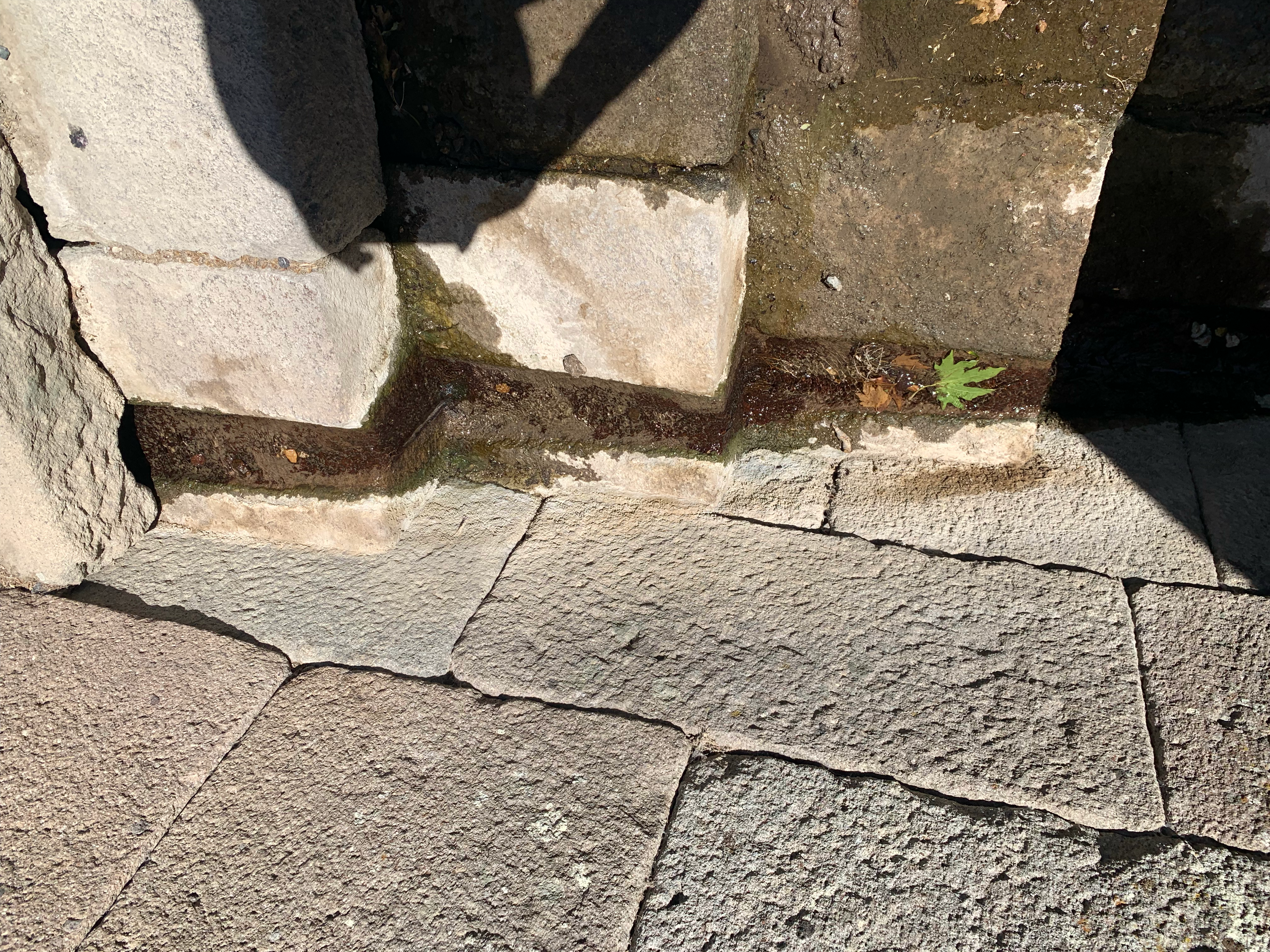
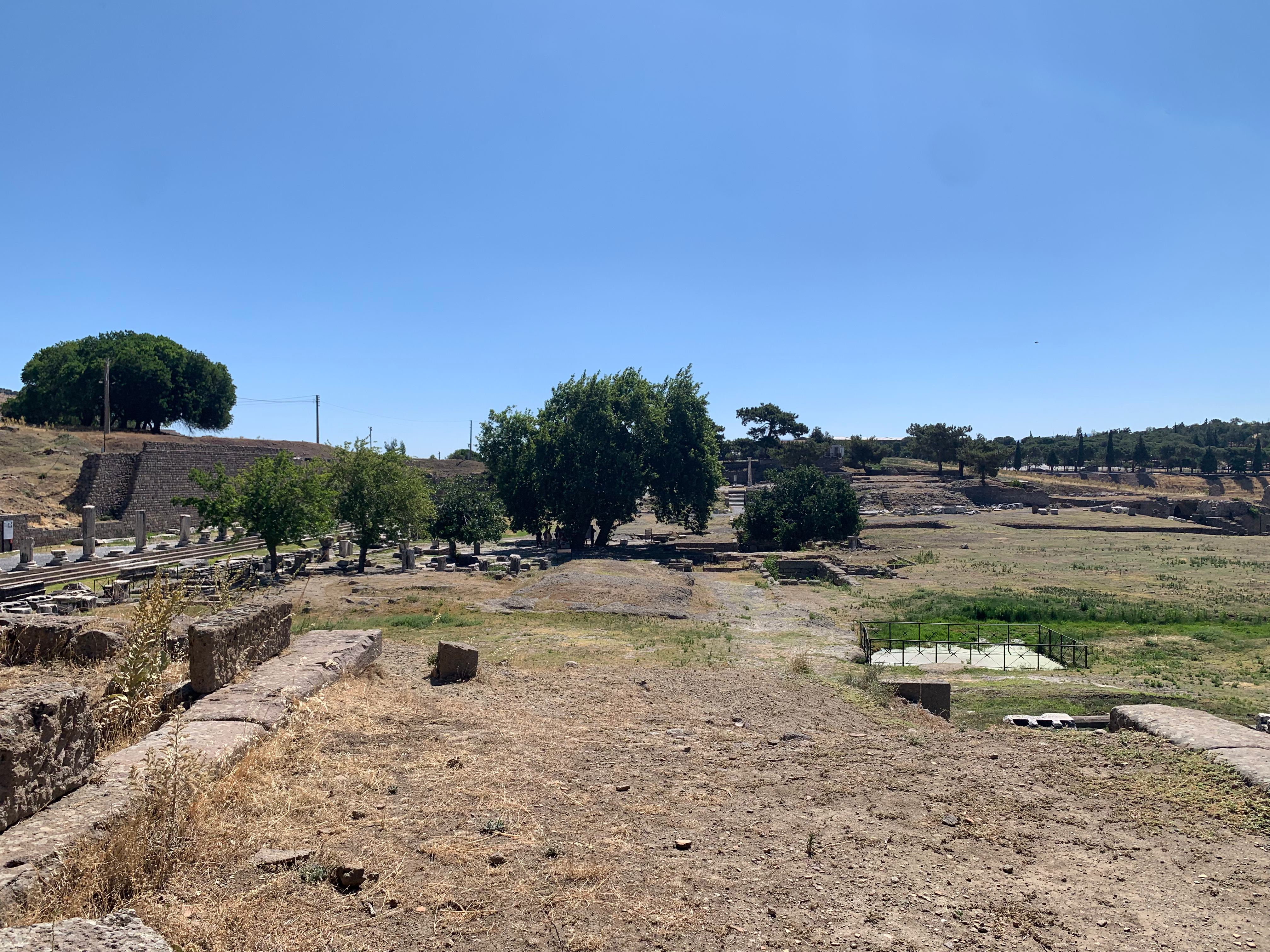
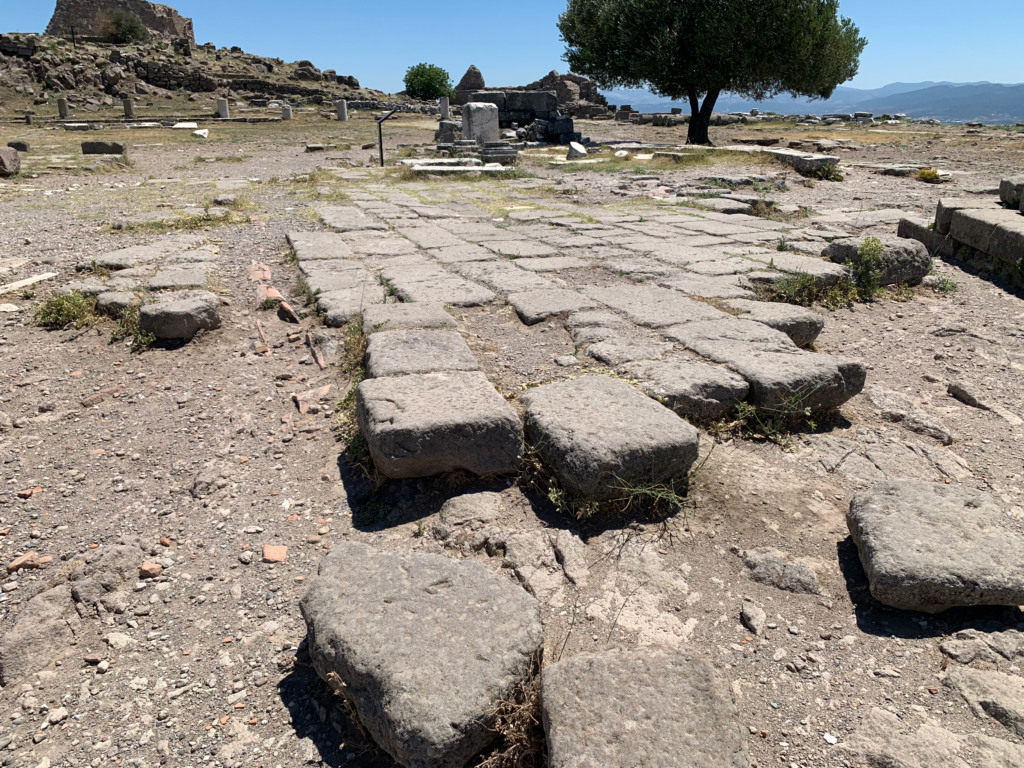
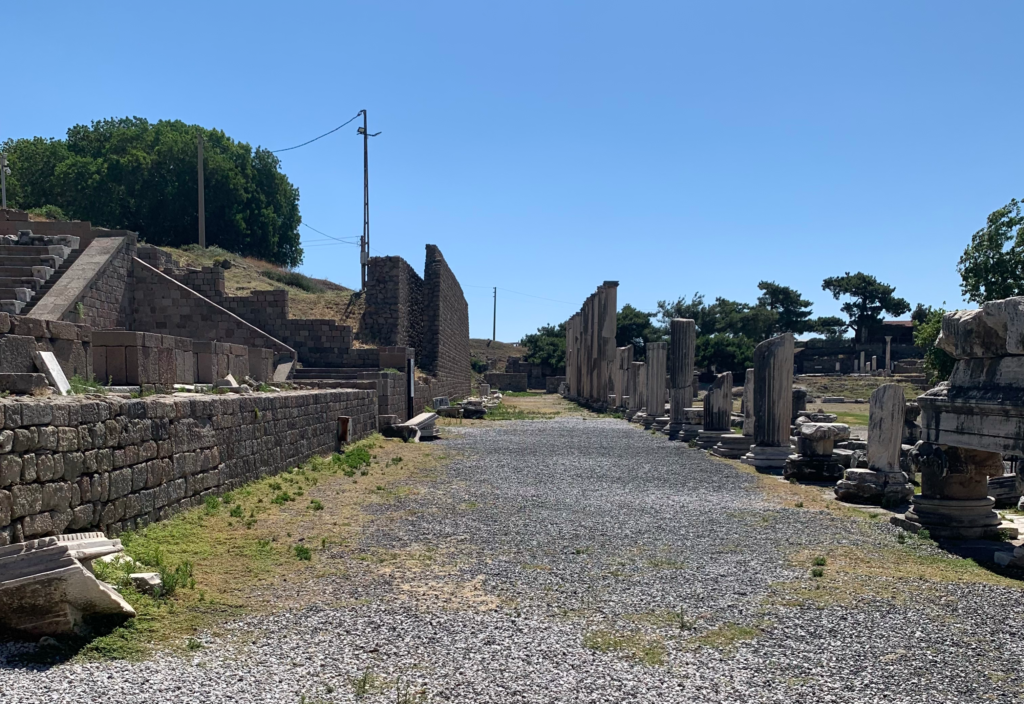
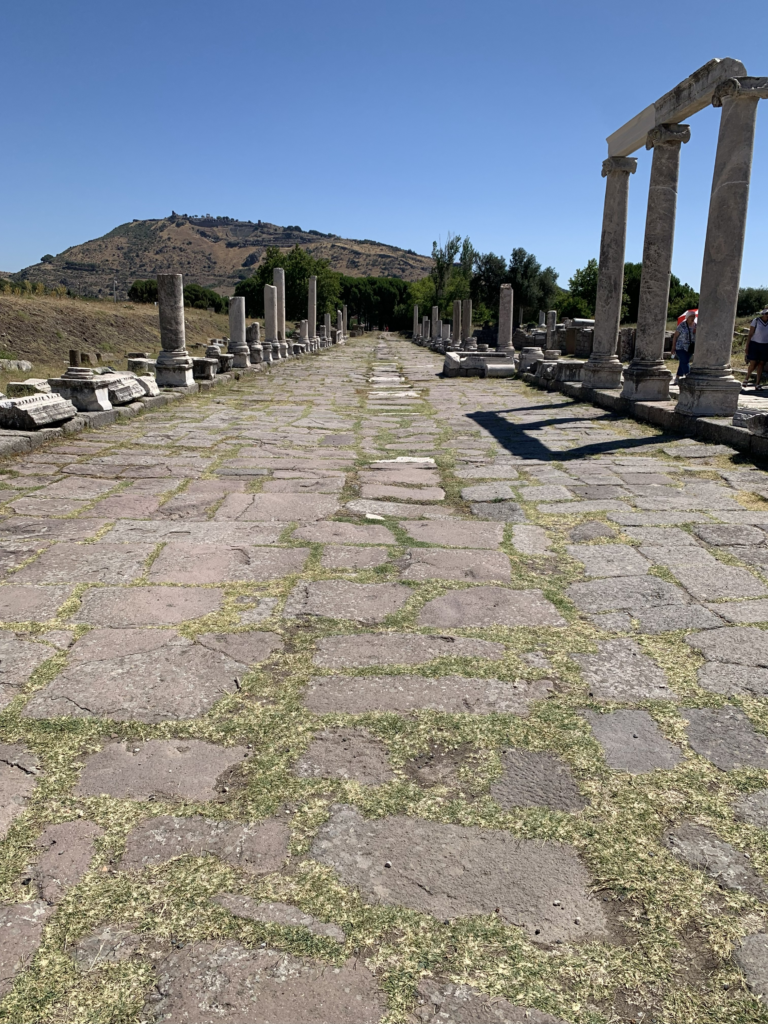
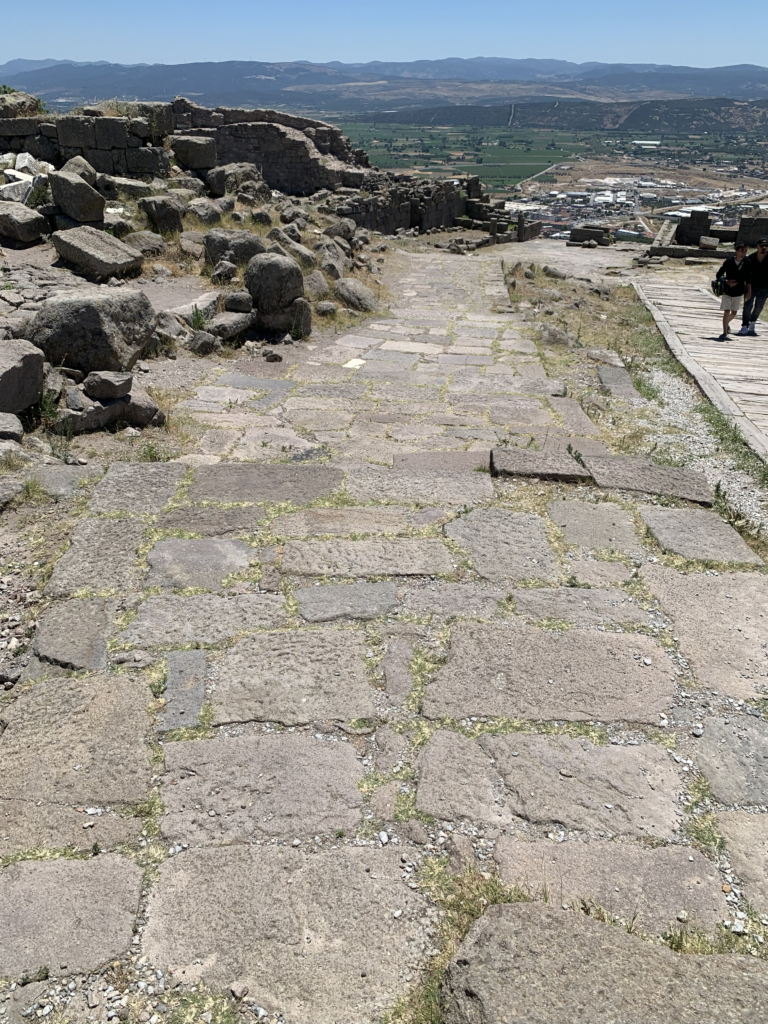
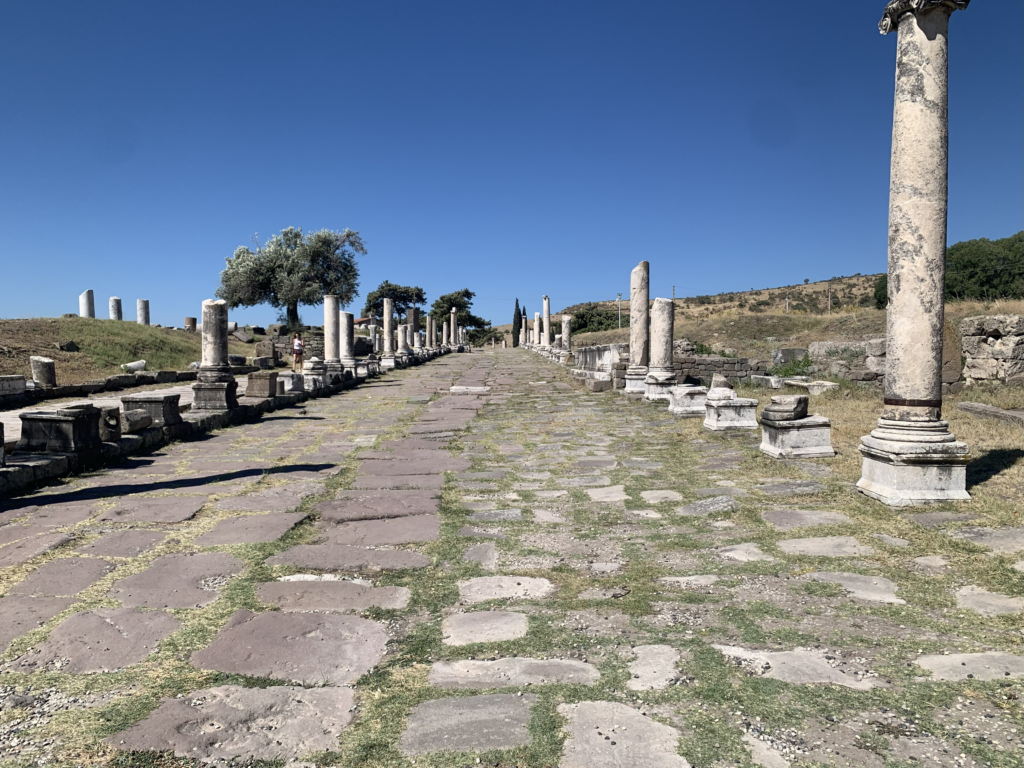
- Asklepion. Another view of the sacred street leading to the entrance of the hospital. Again, you can see the stones in the middle are different than the other. The water to the hospital is flowing underneath. ↩︎
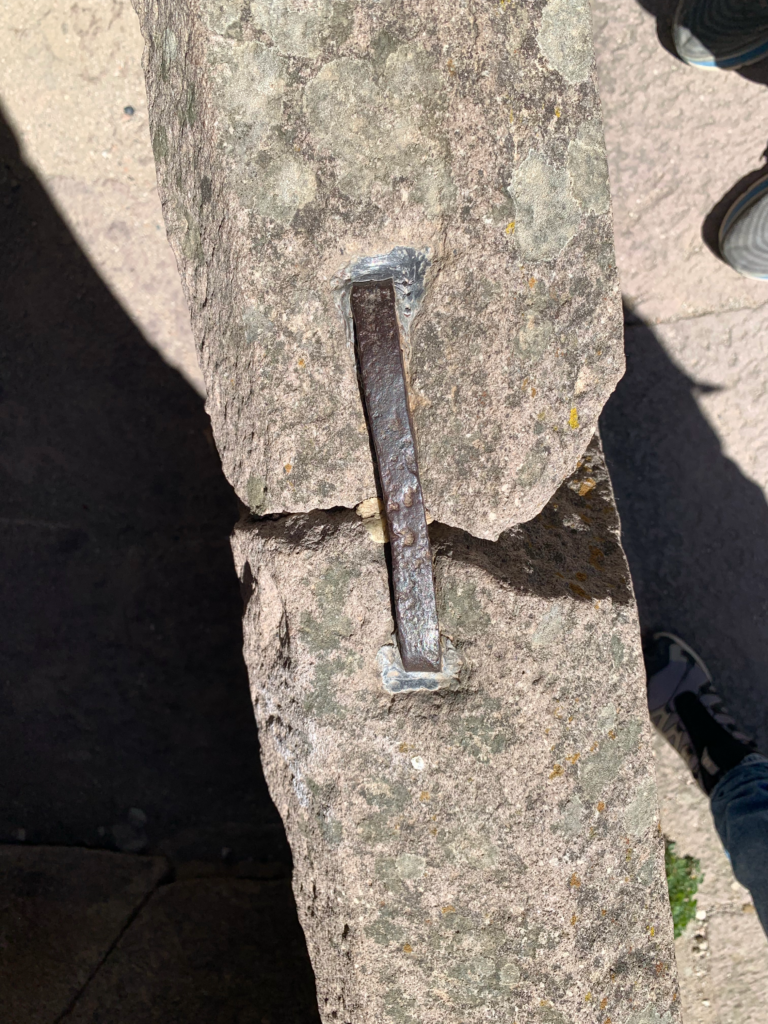
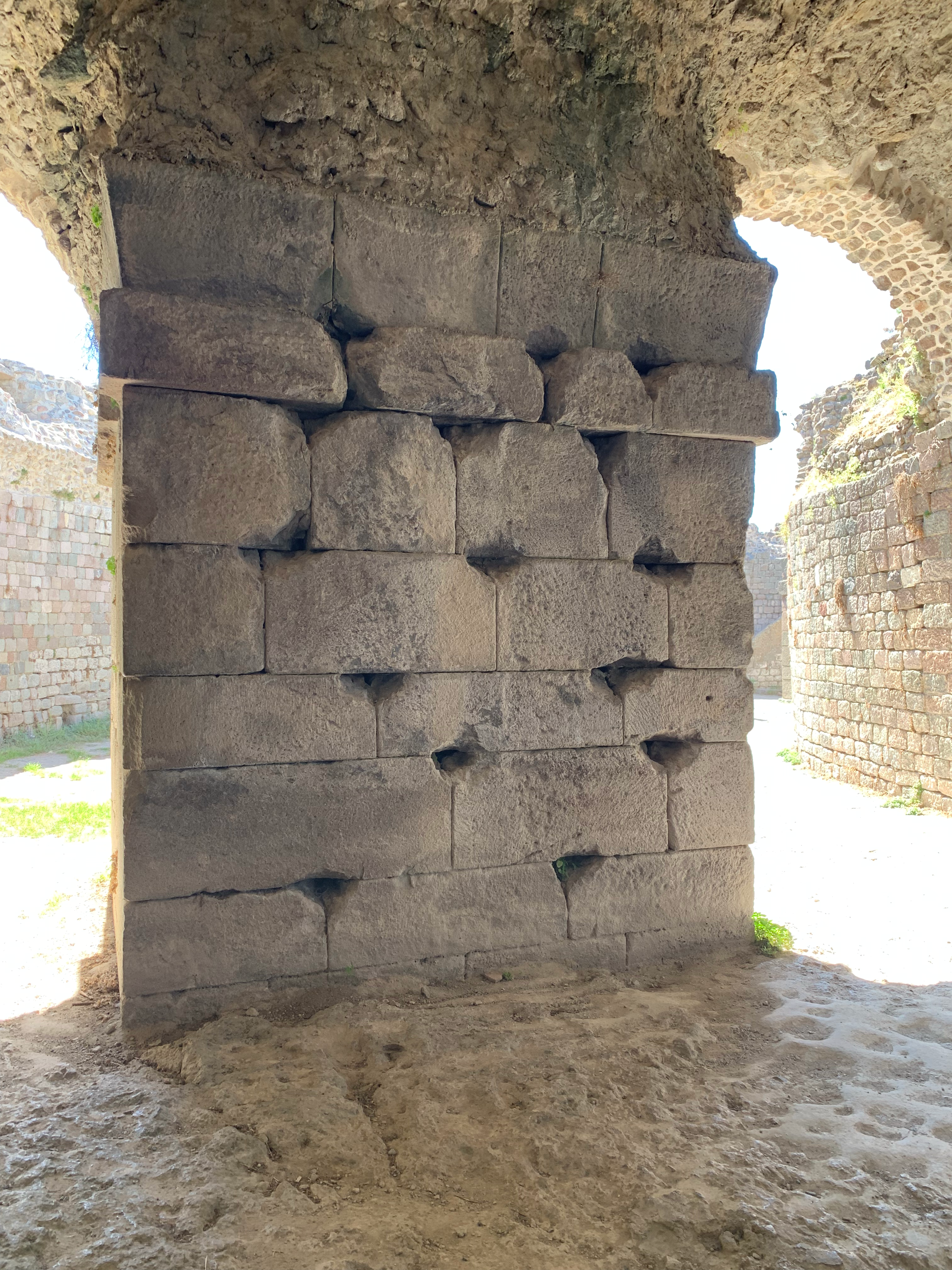
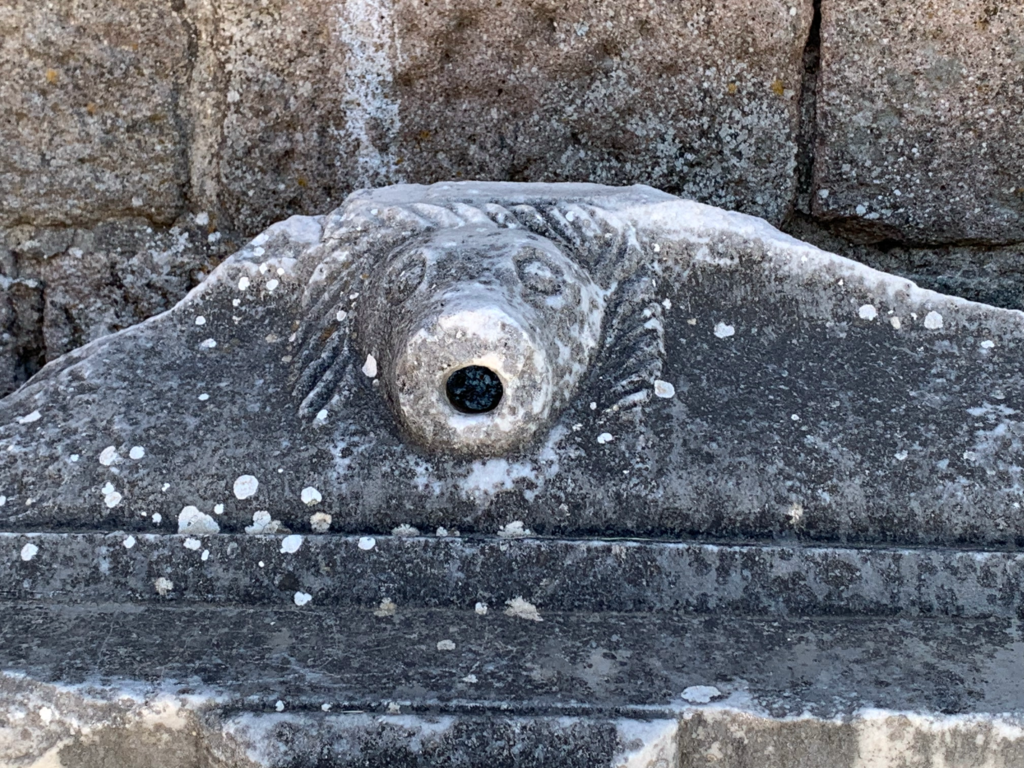
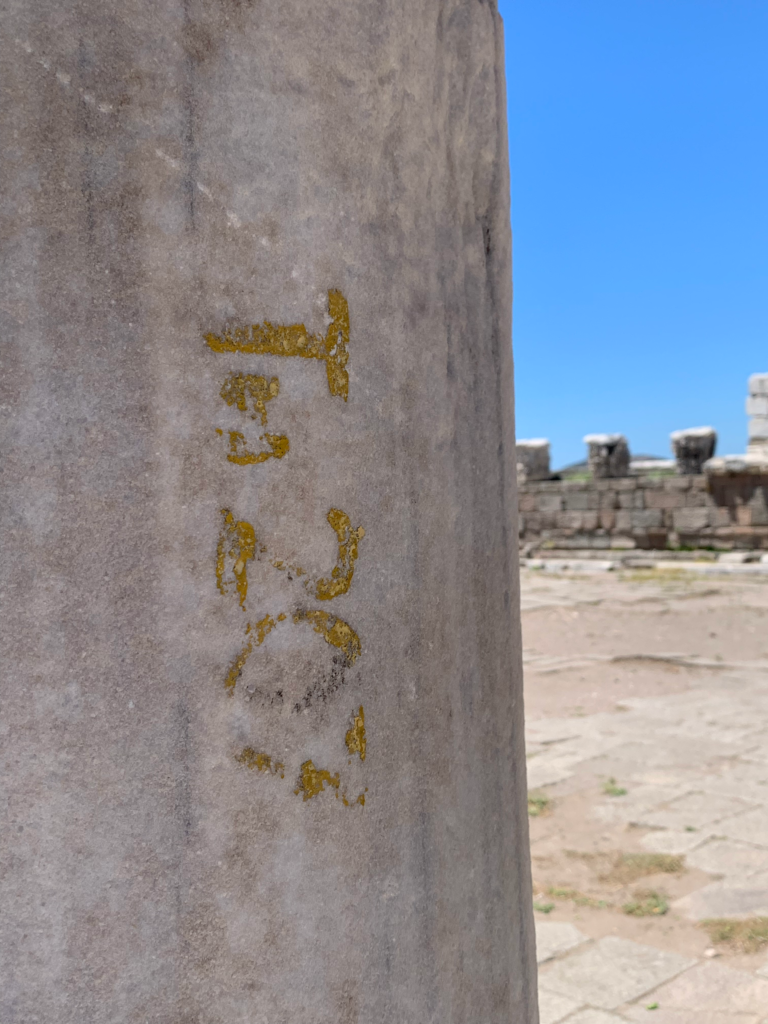
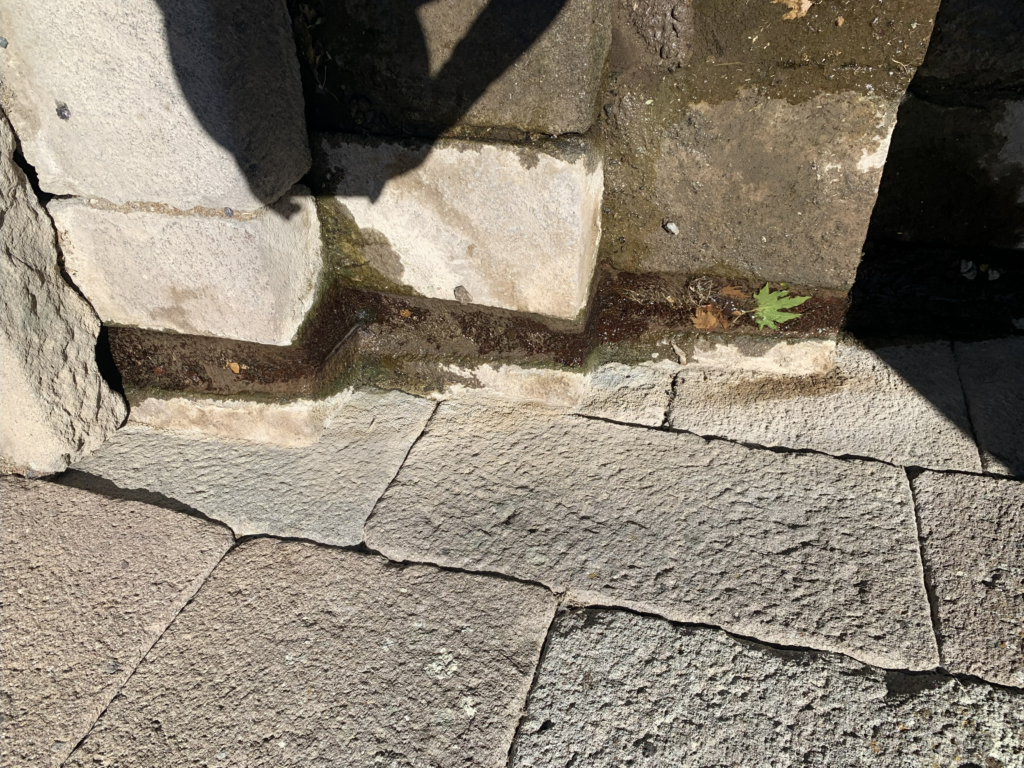
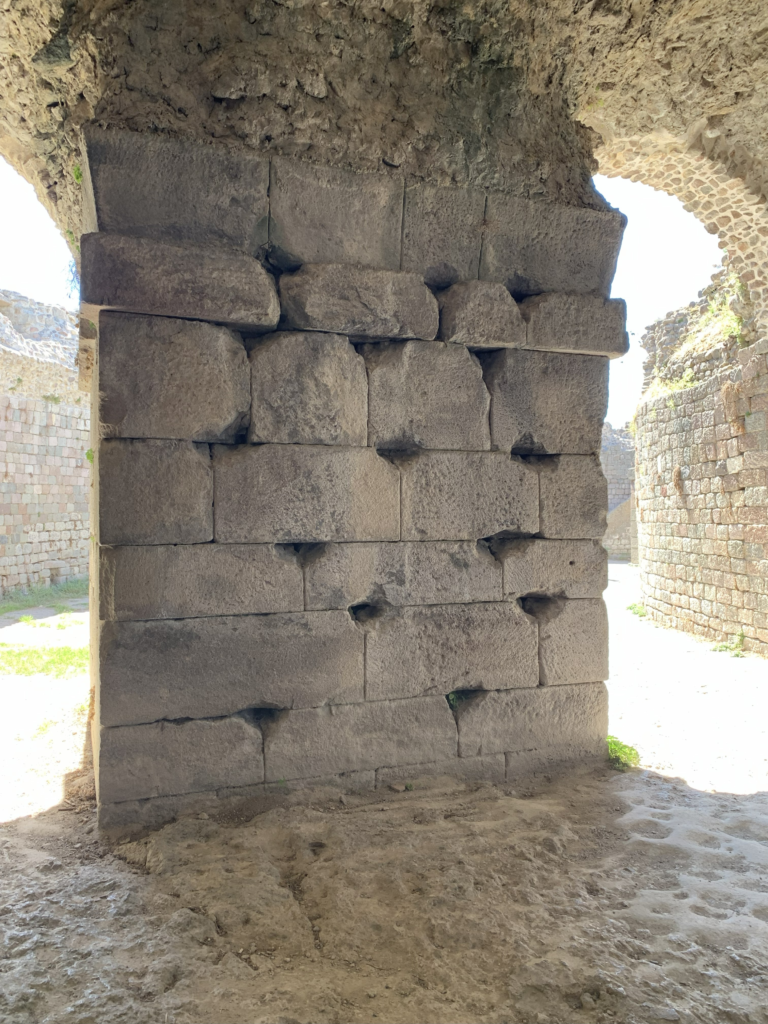
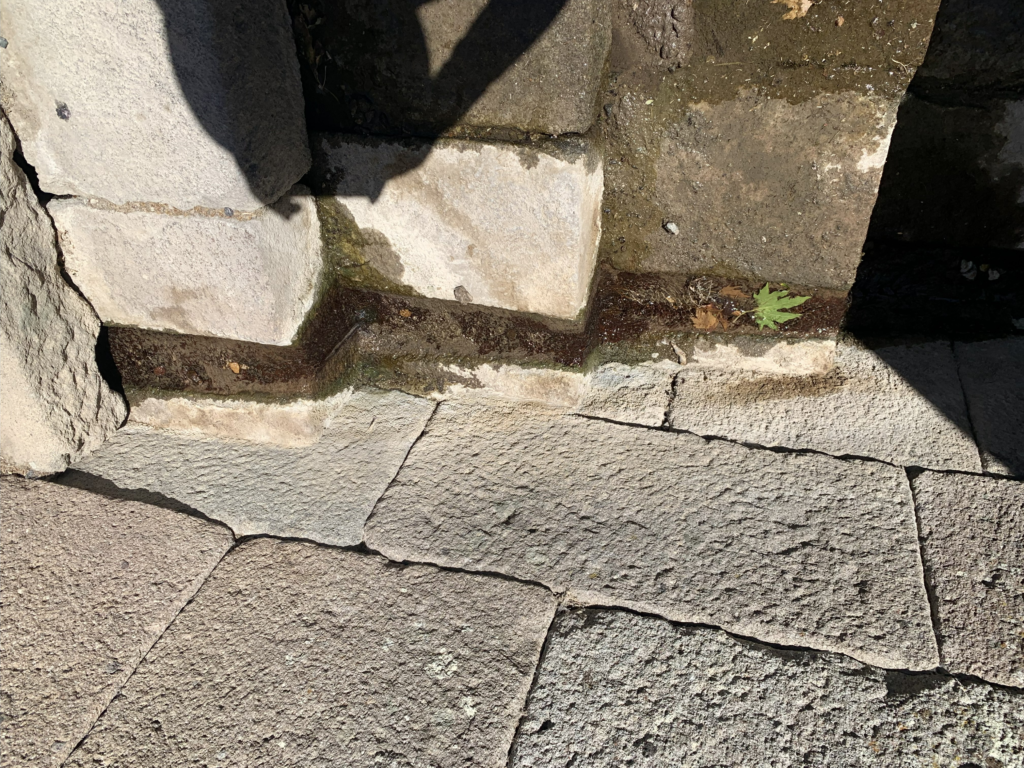
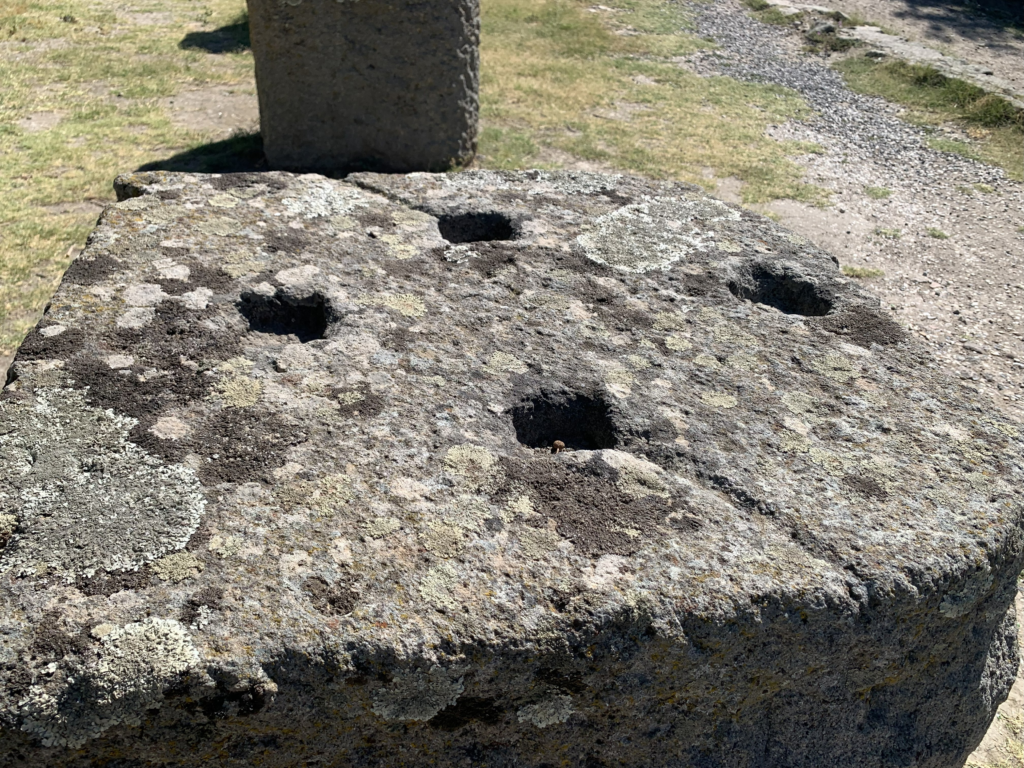
- Asklepion. These holes and the lines coming out from them is where the construction guys would pour lead and then place the next piece on top and the lead would harden with the two pieces together. I’m not thinking that lead has much of an adhesive quality, but maybe if it is still hot and comes in contact with rock, maybe that is the trick. ↩︎
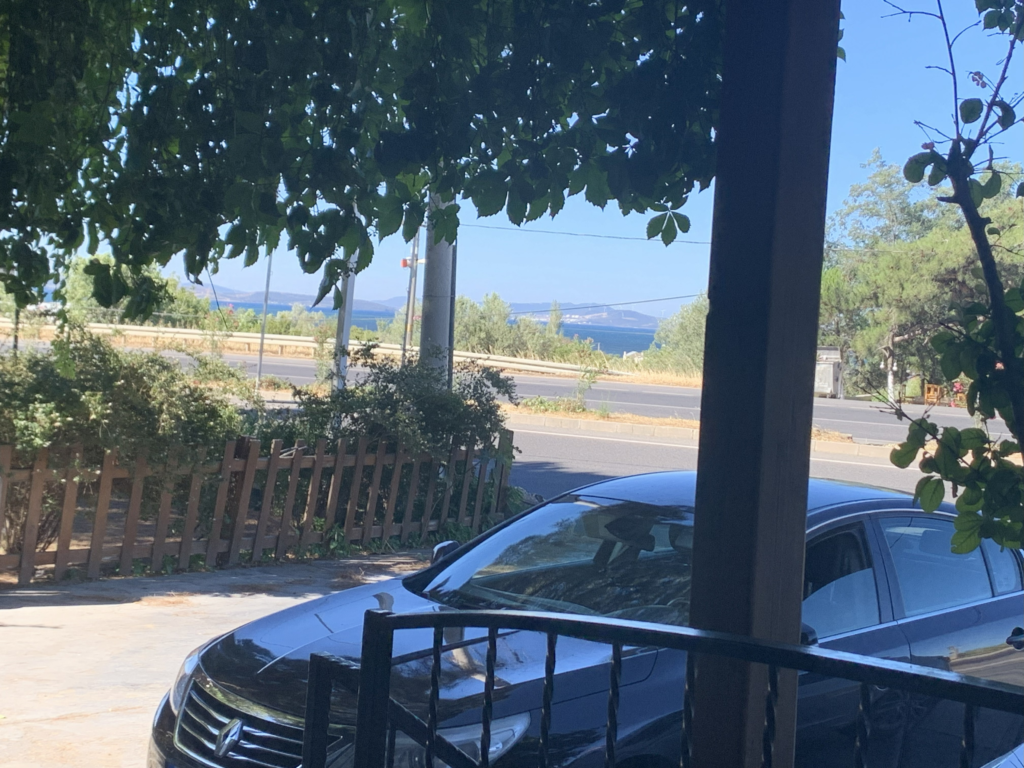
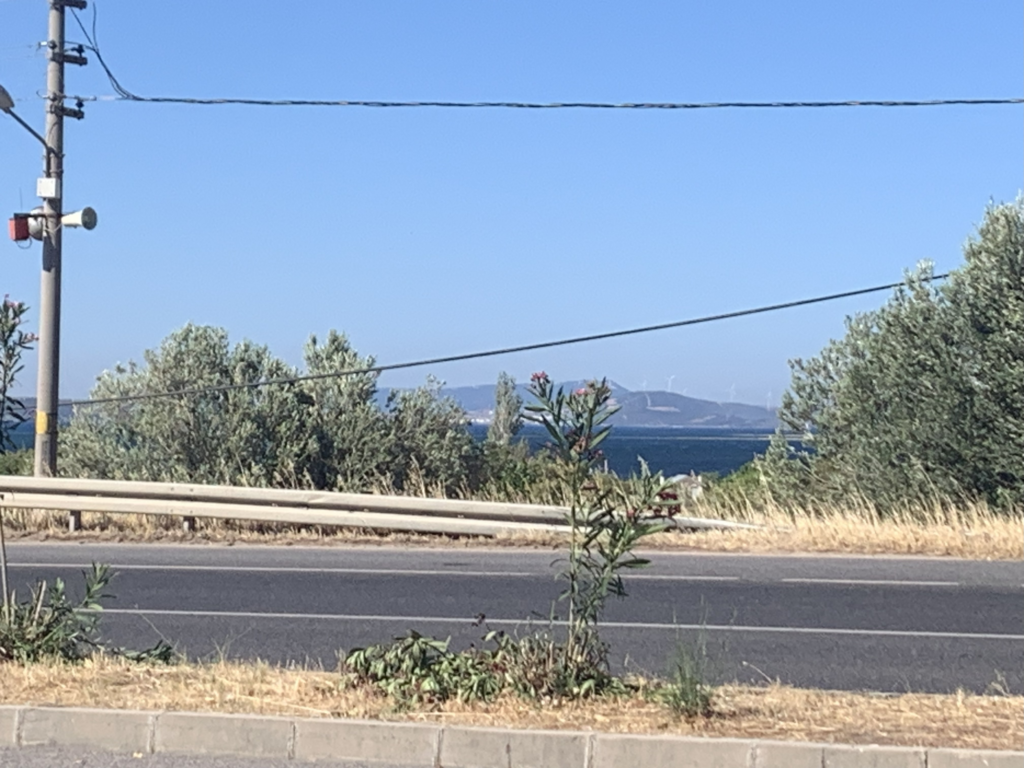
- On our way to Pergamon, we stopped for a rest and this was our view of the Aegean Sea at that point. Comments No comments yet Be the first to comment. ↩︎
- Photo of a HUGE video at the Pergamon Museum in Berlin. This scene depicts the amphitheater with the temple of Dionysos below the amphitheater, center left of the picture. ↩︎