Packing!
Don’t forget to take . . .

All Travel
- Necessary medications
- Bathroom essentials
- Special requirements such as a night guard for your mouth, Cpap machine, extra glasses …
- Phone
- Charger AND a charging cord (if not built into your charger)
- Underwear
- Shoes for all purposes of your trip
- Pants, tops, suits, dresses, skirts 9. accessories
Business Travel
- Passport
- Laptop
- Laptop electronics and necessary media
- Printed travel arrangements / directions
Car Trip
- Portable power and/or
- Jump starter with air compressor
- Tire changing tools
- Maps
- Emergency road equipment (cones, flares, orange vest …)
Hiking Adventure
- First aid kit
- Maps
- Phone
- Solar charger for phone and other electronics
- Sunglasses
- Sun protection for head – either a hat or SPF spray or powder
- Sunscreen
International/Domestic Air Travel
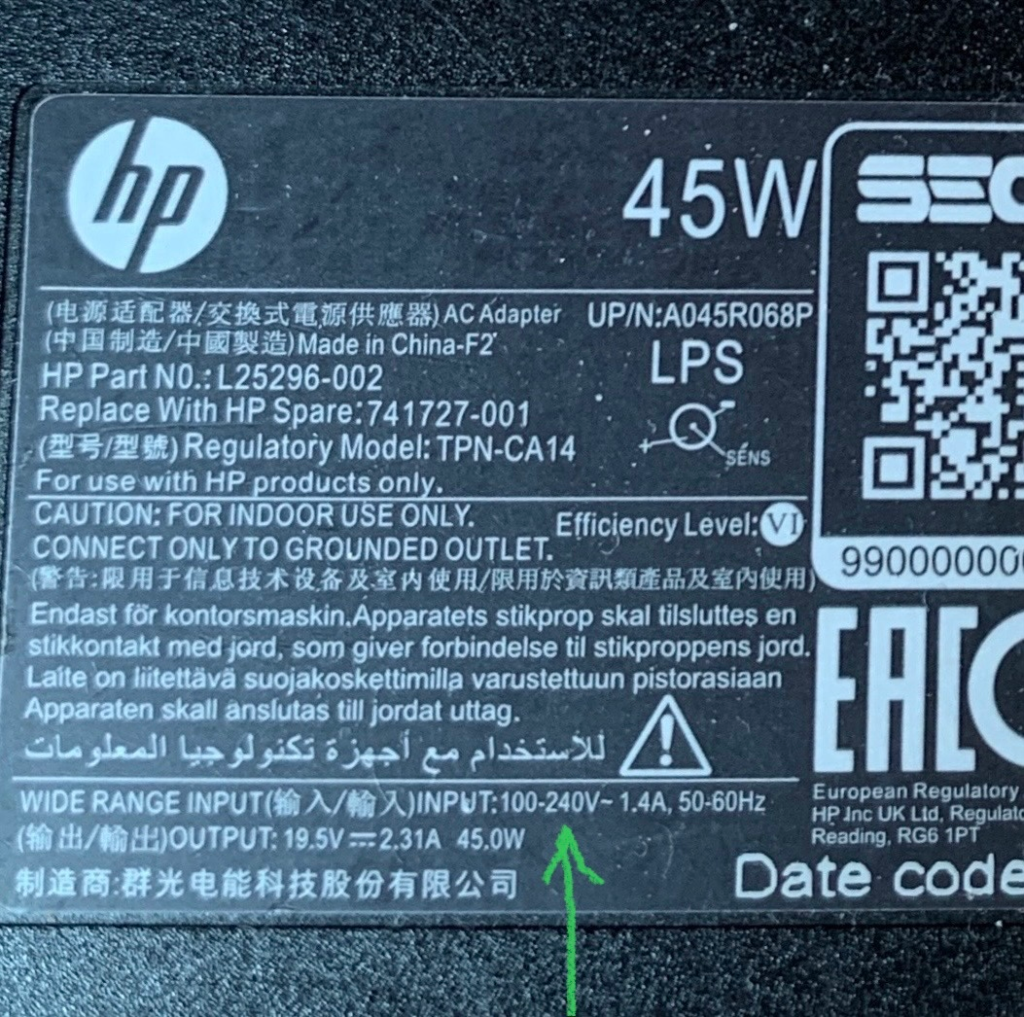
- One of the most used items for International Travel (maybe not the most important though) is an adapter for your electronics! There are compact adapters that will configure to any international outlet, and then there are adapters specific for just one country or region. Keep in mind though, that an adapter and a converter are two separate items. The reason you might need a converter is because the voltage worldwide is not the same. Some are 110V, some are 230V. Many appliances such as laptops and curling irons dual voltage and are labeled as such. I’ve never needed a converter, but reasons you might need one are if you have older appliances that are not dual voltage.
- Passport and visa, if applicable. Always best to keep your real passport with you and not rely on a passport card or enhanced driver’s license. A friend of mine took a drive-on ferry from Washington to Canada. He crossed the border with his enhanced driver’s license, no problem. But then his car was in an accident and he needed to fly home. The airport did not accept his enhanced driver’s license.
- Money in the form of cash, credit cards, and debit cards. Try to find out ahead of time if your destination accepts mostly cash or mostly card and what type of cash. I was recently in Lebanon and, oddly enough, their preferred payment method was USD cash.
- Hand-held luggage scale. I use mine all the time and I know it has saved me a lot of grief at the airport.
- Have a plan for your telephone/texting communications. If you’re only traveling for a week or two, using your home mobile phone Global plan is okay and leaves everything uninterrupted. However, if you’re going on an extended trip, for many months, I recommend Saily SimCards. They are available for nearly every country. They work great and the prices are reasonable. I also have Vodafone for my long term use in Germany and it works well. Vodafone is also available in multiple countries.
- Saving the most important for last … well, almost. You really shouldn’t travel without a VPN (Virtual Private Network) these days. My easy choice is Surfshark. A VPN will allow you to be seen as online in a different country. It is both a safety device for your computer / phone security AND a way to access websites that are country restricted. The most common use is probably being able to watch USA-only Netflix shows while you’re out of the USA. The VPN came in especially hand for me when I needed to access utility websites in order to take care of my rental unit. I couldn’t log on unless I had the VPN set to a USA location. For that purpose, the VPN was a lifesaver!!
.